Bose 301 Series IV: The Wall-Mounted Wonder of the 1980s
The Bose 301 Series IV, introduced in 1985, stands as one of the most recognizable and widely used passive bookshelf speakers of its era. Part of Bose’s long-running 301 series that began in the 1970s, the Series IV refined earlier designs with improved materials, refined acoustics, and a sleeker aesthetic that made it a staple in homes, offices, and even retail environments throughout the 1980s and into the 1990s. Though not technically complex by today’s standards, the 301 Series IV carved out a unique niche in audio history by prioritizing spacious sound dispersion and ease of placement—especially on walls—over traditional speaker positioning requirements.
Designed during a time when home audio systems were transitioning from bulky console stereos to component-based setups, the 301 Series IV offered consumers a simple, elegant solution for background and near-field listening. Its passive design meant it required an external amplifier or receiver, but its forgiving impedance and moderate sensitivity made it compatible with a wide range of gear—from modest stereo receivers to more powerful integrated amplifiers.
Technical Specifications
| Specification | Detail |
| Model | Bose 301 Series IV |
| Year Introduced | 1985 |
| Type | 2-way passive bookshelf speaker |
| Driver Configuration | 1 x 6.5" woofer, 1 x 1" dome tweeter |
| Frequency Response | 60 Hz – 18 kHz |
| Sensitivity | 89 dB (2.83V/1m) |
| Nominal Impedance | 8 ohms (compatible with most receivers) |
| Recommended Power | 10–100 watts per channel |
| Crossover Frequency | ~5 kHz (estimated) |
| Enclosure Type | Bass reflex (rear-firing port) |
| Dimensions (H×W×D) | 17.5" × 7.5" × 6.5" (44.5 × 19 × 16.5 cm) |
| Weight | 11 lbs (5 kg) per speaker |
| Mounting Options | Integrated keyhole slot for wall mounting |
| Grille | Removable fabric grille (black) |
Sound Characteristics and Performance
The Bose 301 Series IV is best known for its spacious, diffuse soundstage—a hallmark of Bose’s acoustic design philosophy at the time. Rather than focusing on pinpoint stereo imaging, these speakers were engineered to create a wide, enveloping sound field, making them ideal for background music and casual listening in medium-sized rooms.
The 6.5-inch woofer delivers surprisingly full midbass for a speaker of its size, with a low-frequency roll-off beginning around 60 Hz. While not deep by modern subwoofer standards, the bass is warm and present, especially when the speakers are placed near walls or corners. The rear-firing bass reflex port enhances this low-end response, though it requires adequate clearance from the wall to perform optimally.
The 1-inch dome tweeter provides smooth, non-fatiguing highs. It lacks the airiness and detail of more modern tweeters but excels in delivering a balanced, relaxed top end that won’t harshen even at higher volumes. This makes the 301 Series IV particularly well-suited for long listening sessions, especially with vocal-centric music, jazz, or acoustic genres.
One of the most distinctive aspects of the sound is Bose’s use of reflected sound technology. The tweeter is angled upward and backward, directing high frequencies toward the wall behind the speaker, which then reflects them into the room. This design choice contributes significantly to the expansive soundstage, creating the illusion that the sound is coming from beyond the physical location of the speakers.
Notable Features and Innovations
While not a high-end audiophile speaker, the 301 Series IV introduced several user-friendly features that contributed to its popularity:
- Wall-Mountable Design: With a built-in keyhole slot on the back panel, the 301 Series IV could be easily mounted on walls without additional hardware. This made it a favorite for apartments, offices, and rooms where floor space was limited.
- Time-Delayed Crossover: Bose employed a phase-shifting network in the crossover to align the acoustic center of the tweeter with that of the woofer, enhancing coherence and creating a more uniform sound dispersion.
- Aesthetic Simplicity: Available in a classic black vinyl finish with a minimalist front baffle, the 301 Series IV blended easily into 1980s interiors. The design avoided the “hi-fi” look in favor of understated elegance.
- Durability and Build Quality: Constructed with medium-density fiberboard (MDF) and robust internal bracing, the cabinets are surprisingly sturdy for their time. The finish, while prone to scuffing, holds up well with care.
Common Issues and Maintenance
Like any vintage speaker, the Bose 301 Series IV can suffer from age-related wear. The most common issues include:
- Aged Foam Surrounds: The foam material around the woofer’s cone can dry out and crumble over time, especially in dry or humid climates. This leads to distorted bass and reduced output. Replacement foam kits are available and relatively easy to install for DIY enthusiasts.
- Tweeter Fatigue: While dome tweeters are generally more durable than horn types, some early units may exhibit reduced high-frequency response due to aging components in the crossover or diaphragm degradation.
- Grille Attachment: The fabric grilles are held on by plastic pegs that can break over time. Replacement grilles or retrofit solutions are available from specialty audio parts suppliers.
- Crossover Components: The internal crossover uses basic capacitors and inductors that may drift in value over decades. While not usually a critical failure point, recapping can improve performance in well-used pairs.
Regular cleaning with a dry microfiber cloth and keeping the speakers away from direct sunlight or moisture will extend their life significantly.
Current Market Value and Collectibility
Today, the Bose 301 Series IV is not considered a high-value collectible in the traditional audiophile sense, but it maintains a loyal following among vintage audio enthusiasts and retro interior designers. Pairs in good condition typically sell for $75 to $150, depending on cosmetic state, functionality, and whether they include original packaging or accessories.
Their appeal lies more in nostalgia and aesthetic integration than in high-fidelity performance. They are often sought after for vintage-themed rooms, mid-century modern setups, or as part of a retro stereo restoration. While not ideal for critical listening by modern standards, they remain functional and enjoyable for casual use—especially when paired with vintage receivers from the 1980s.
Conclusion and Legacy
The Bose 301 Series IV may not have been a technical marvel, but it was a cultural one. It brought high-quality, easy-to-use sound into countless homes during a pivotal era in consumer audio. Its emphasis on spacious sound, simple installation, and elegant design reflected Bose’s philosophy of making audio accessible and enjoyable for everyone—not just the technically inclined.
While later models like the 301 Series V offered incremental improvements, the Series IV remains a beloved icon of 1980s audio design. It represents a time when speakers didn’t need to be invisible or ultra-minimalist to be effective—when form, function, and a little sonic magic could coexist in a simple black box on the wall.
For vintage audio fans, the Bose 301 Series IV is more than just a speaker—it’s a piece of living room history, still humming softly in the background of our collective memory.
eBay Listings
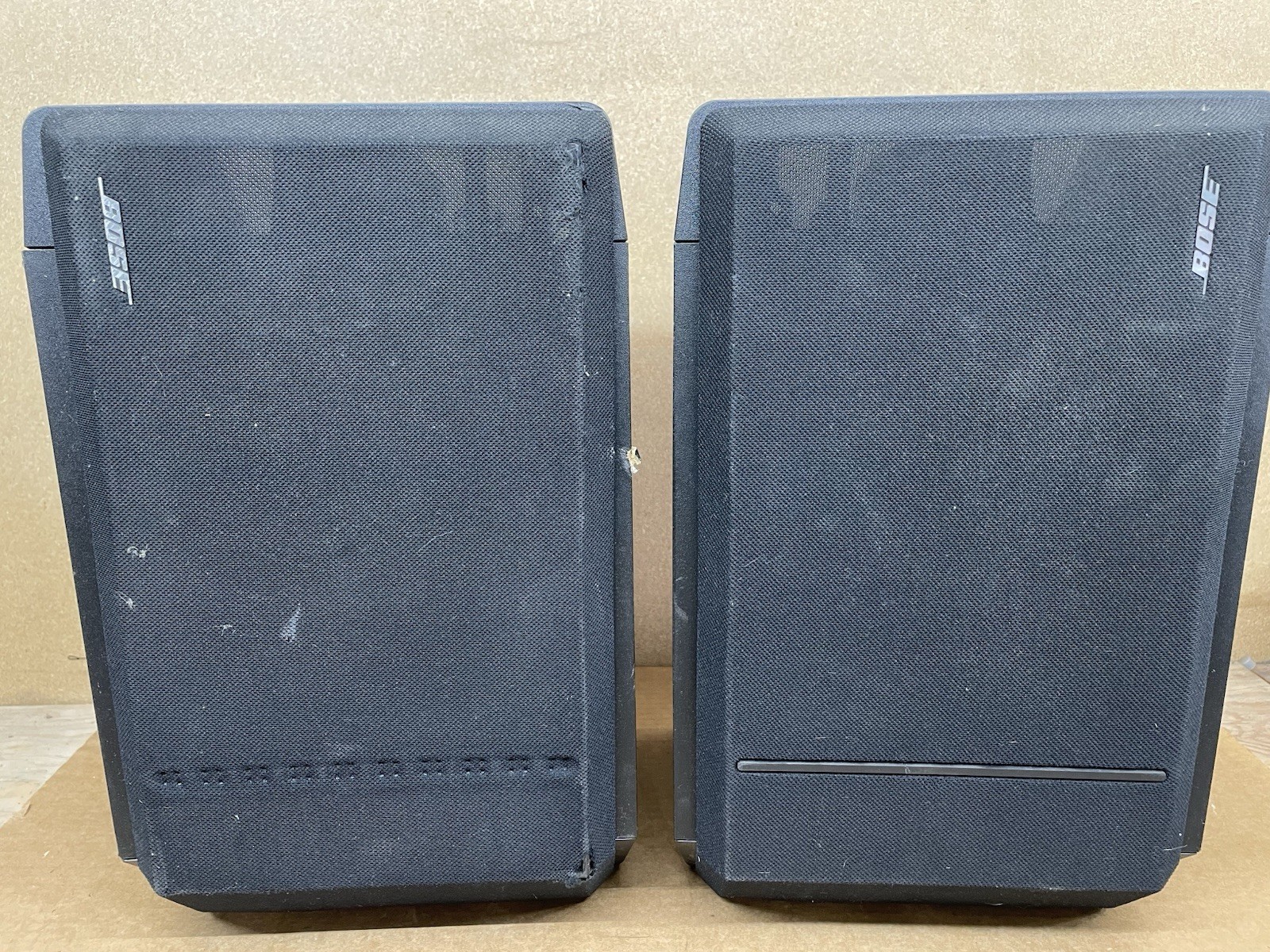


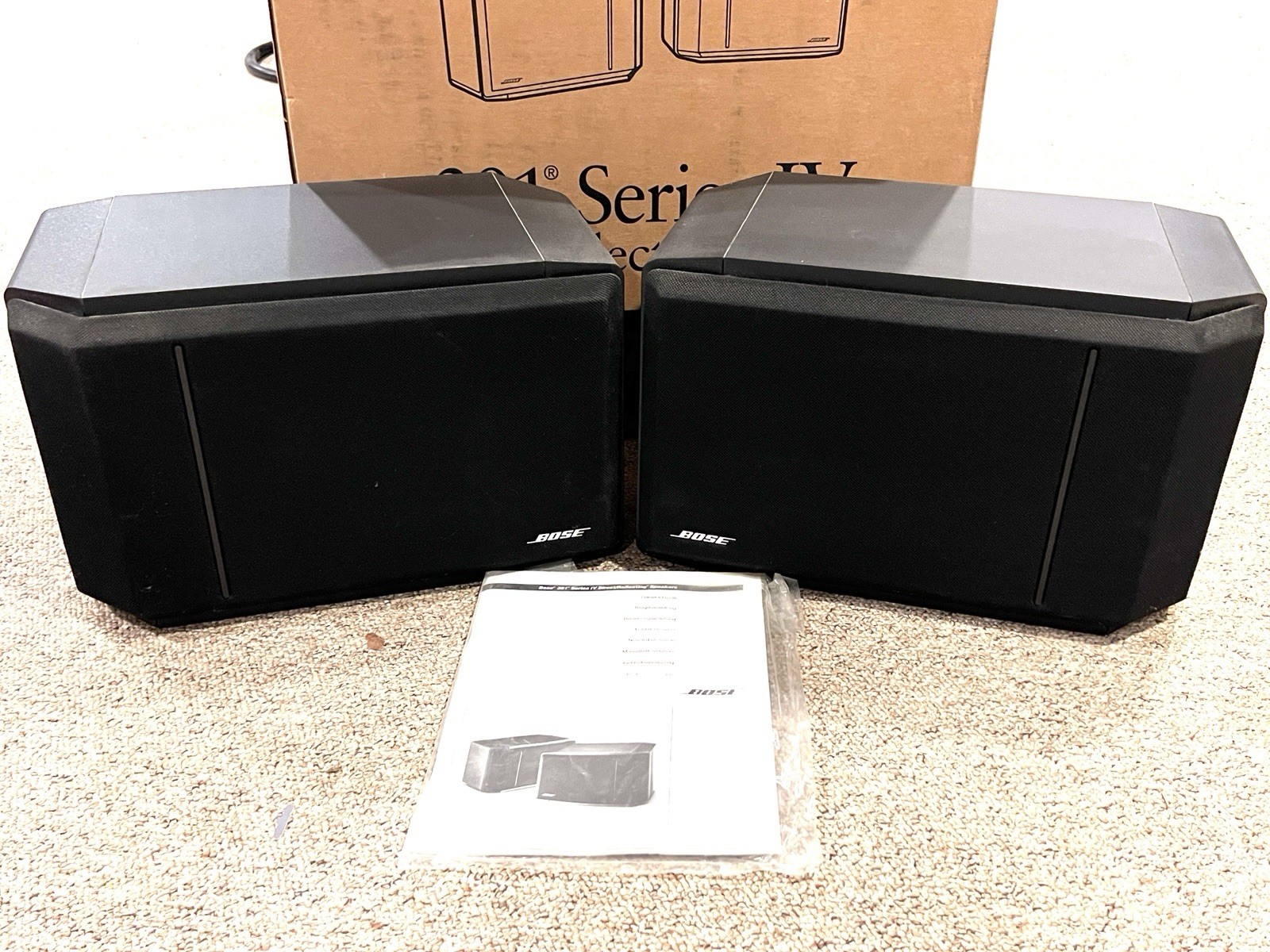
As an eBay Partner, we earn from qualifying purchases. This helps support our independent vintage technology research.
Service Manuals & Schematics
- Service Manual — archive.org
Related Models
- Bose 4.2-SERIES-I (1984)
- Bose 101-MUSIC-MONITOR (1970)
- Bose 10.2-SERIES-I (1988)
- Bose 10.2-SERIES-II (1988)
- Bose 1800-SERIES-II (1979)
- Akai AM-2850 (1975)
- Akai AP-206 (1975)
- Nakamichi BX-1 (1985)
- Acoustic Research research-ar-17 (1978)
- Acoustic Research AR-19 (1994)