Bose 301-SERIES-I: The Speaker That Brought Balanced Sound to the Living Room
In the early 1970s, home audio was undergoing a transformation. High-fidelity systems were no longer the exclusive domain of audiophiles with deep pockets and technical know-how. As stereo technology became more accessible, consumers sought speakers that delivered rich, full sound without the complexity of massive floor-standing towers or intricate setup procedures. Enter the Bose 301-SERIES-I, one of the first commercially successful bookshelf speakers from Dr. Amar G. Bose’s fledgling company. Introduced in 1970, the 301-SERIES-I was more than just a pair of speakers—it was a statement about how music should be experienced in the average home.
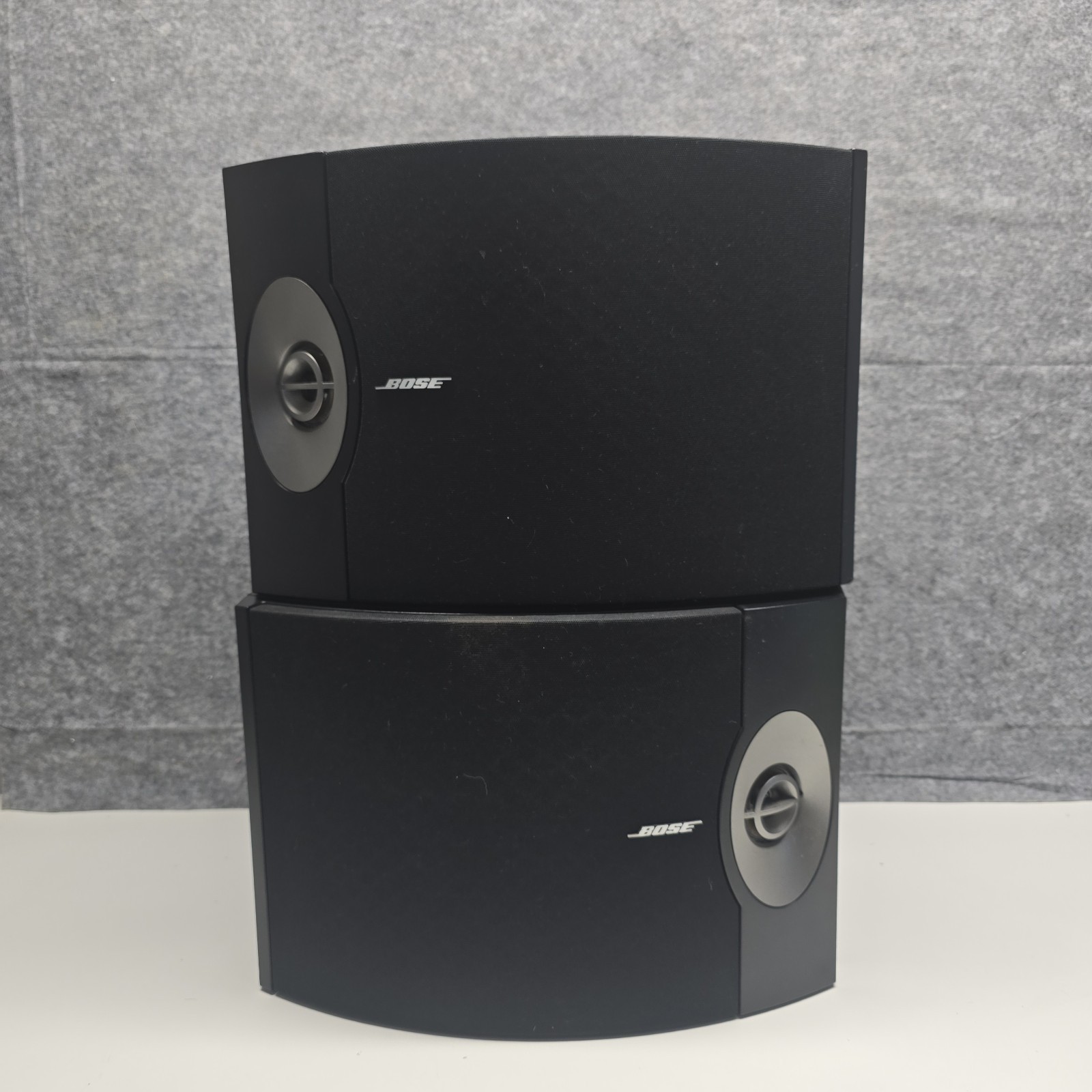
The 301-SERIES-I marked Bose’s early commitment to what they called “direct/reflecting” sound—a philosophy designed to mimic the natural acoustics of a live performance by blending direct sound with reflected sound off room surfaces. While later models like the 901 would perfect this concept, the 301-SERIES-I was the first to bring it to a broader audience in a compact, aesthetically pleasing package. Housed in a walnut-veneer cabinet with a distinctive rounded top and front-firing port, the 301-SERIES-I quickly became a staple in living rooms, dens, and dorms across America.
Technical Specifications
| Specification | Detail |
| Model | 301-SERIES-I |
| Manufacturer | Bose Corporation |
| Release Year | 1970 |
| Type | 2-way bookshelf speaker |
| Driver Configuration | 1 x 8" woofer, 1 x 1" dome tweeter |
| Frequency Response | 60 Hz – 17 kHz |
| Impedance | Not applicable (designed for home receivers) |
| Sensitivity | ~86 dB (estimated) |
| Crossover Frequency | ~3.5 kHz (estimated) |
| Enclosure Type | Bass-reflex (ported) with direct/reflecting design |
| Dimensions (H×W×D) | 15" × 9" × 10" (38 × 23 × 25 cm) |
| Weight | ~20 lbs (9 kg) per speaker |
| Finish | Walnut veneer with cloth grille |
| Recommended Amp Power | 10–100 watts per channel (typical) |
Sound Characteristics and Performance
The Bose 301-SERIES-I was never intended to be a monitor speaker for critical listening in the way modern audiophiles might expect. Instead, it was engineered for spacious, enveloping sound that filled a room with a sense of presence. Thanks to its direct/reflecting design, the speakers projected sound both forward and slightly upward, encouraging reflections off walls and ceilings to create a wider stereo image than their physical size would suggest.
Bass response, while not deep by today’s standards, was surprisingly full for a speaker of its era and size, thanks to the 8-inch woofer and ported cabinet. The dome tweeter delivered smooth, non-fatiguing highs—ideal for long listening sessions. However, the crossover tuning and cabinet design prioritized tonal balance and room integration over pinpoint imaging or deep bass extension.
Many users recall the 301-SERIES-I as having a “warm” and “forgiving” character—perfect for vinyl records, AM/FM radio, and the softer rock and jazz popular in the 1970s. They were particularly well-suited to acoustic instruments and vocal performances, where clarity and natural timbre mattered more than explosive dynamics.
Notable Features and Innovations
The 301-SERIES-I stood out in its time for several reasons:
- Direct/Reflecting Technology: This was Bose’s signature innovation—using a combination of direct and reflected sound to simulate the ambience of a concert hall. While controversial among purists, it resonated with casual listeners who wanted a “live” feel without complex speaker placement.
- User-Friendly Design: Unlike many speakers of the era that required careful positioning and room treatment, the 301-SERIES-I was designed to work well in typical living spaces. They could be placed on bookshelves, cabinets, or stands without extensive fine-tuning.
- Aesthetic Appeal: With their rounded edges, warm walnut finish, and minimalist cloth grille, the 301-SERIES-I looked elegant in mid-century and contemporary decor. They were as much a furniture piece as an audio component.
- Durability and Simplicity: Built with conservative component choices and robust cabinets, these speakers were meant to last. Many pairs still function today, over 50 years later.
Common Issues and Maintenance
While the 301-SERIES-I is known for its longevity, age has taken its toll on surviving units. Common issues include:
- Aged Foam Surrounds: The foam used to surround the woofer can dry out, crack, and disintegrate over time. This leads to distorted bass and reduced output. Re-foaming or surround replacement is a common restoration project.
- Tweeter Degradation: The dome tweeters are generally reliable, but some early units may suffer from oxidized contacts or failed crossovers. A simple inspection and cleaning can often restore performance.
- Crossover Components: The passive crossover uses basic capacitors and inductors that may drift in value over decades. Upgrading with modern components can improve clarity and reliability.
- Cosmetic Wear: The walnut veneer can fade or scratch, and the cloth grilles may become frayed. Replacement grilles and careful refinishing can restore their vintage charm.
Maintenance is relatively straightforward for those with basic DIY skills. Cleaning the cabinets with a wood-safe polish, checking speaker terminals, and ensuring secure wiring connections go a long way in preserving performance.
Current Market Value and Collectibility
The Bose 301-SERIES-I is not a high-value collector’s item in the traditional sense, but it holds nostalgic and historical significance. Pairs in working condition typically sell for $75–$150, with pristine, fully restored units fetching slightly more. Complete sets with original packaging or documentation are rare and may attract premium prices from audio historians or vintage tech collectors.
While not sought after by high-end audiophiles, the 301-SERIES-I appeals to enthusiasts of retro audio, mid-century design, and the early history of consumer sound. They are also popular in restoration communities, where their simple design makes them ideal candidates for refurbishment.
Conclusion and Legacy
The Bose 301-SERIES-I may not have the technical acclaim of later high-end speakers, but its impact on home audio culture is undeniable. It helped democratize quality sound, bringing a sense of spaciousness and musicality to everyday listeners who wanted more than just a radio but didn’t need a full audiophile rig.
As the first in a long line of Bose direct/reflecting speakers, the 301-SERIES-I laid the groundwork for models like the 301-SERIES-II, SERIES-III, and eventually the iconic 901. It embodied Bose’s philosophy that how a speaker interacts with a room is just as important as its raw specifications.
Today, the 301-SERIES-I stands as a charming relic of 1970s audio innovation—a speaker that prioritized experience over measurement, and emotion over precision. For vintage audio enthusiasts, it’s not just a pair of old speakers. It’s a window into a time when stereo was magic, and music filled the room like never before.
eBay Listings



As an eBay Partner, we earn from qualifying purchases. This helps support our independent vintage technology research.
Related Models
- Bose 4.2-SERIES-I (1984)
- Bose 101-MUSIC-MONITOR (1970)
- Bose 10.2-SERIES-I (1988)
- Bose 10.2-SERIES-II (1988)
- Bose 1800-SERIES-II (1979)
- Akai AM-2850 (1975)
- Akai AP-206 (1975)
- Nakamichi BX-1 (1985)
- Acoustic Research research-ar-17 (1978)
- Acoustic Research AR-19 (1994)