Bang & Olufsen BeoSound S120 (1995)
The Bang & Olufsen BeoSound S120 is a striking example of the Danish company’s commitment to blending elegant design with high-fidelity audio performance. Released in 1995, the S120 emerged during a period when Bang & Olufsen was solidifying its reputation for creating audio equipment that transcended mere functionality, becoming iconic pieces of industrial art. Though often overshadowed by more famous models like the BeoLab series, the S120 holds a unique place in B&O’s history as a compact yet powerful speaker system that brought the brand’s luxury aesthetic into more intimate listening environments.
Design and Aesthetic Philosophy
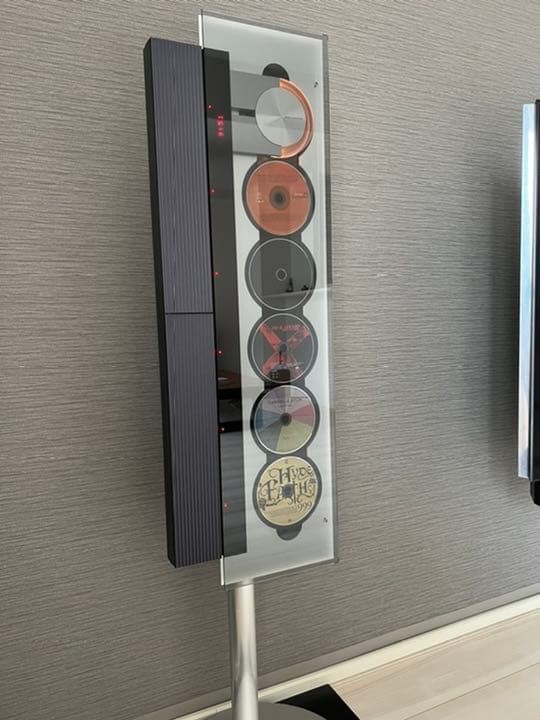
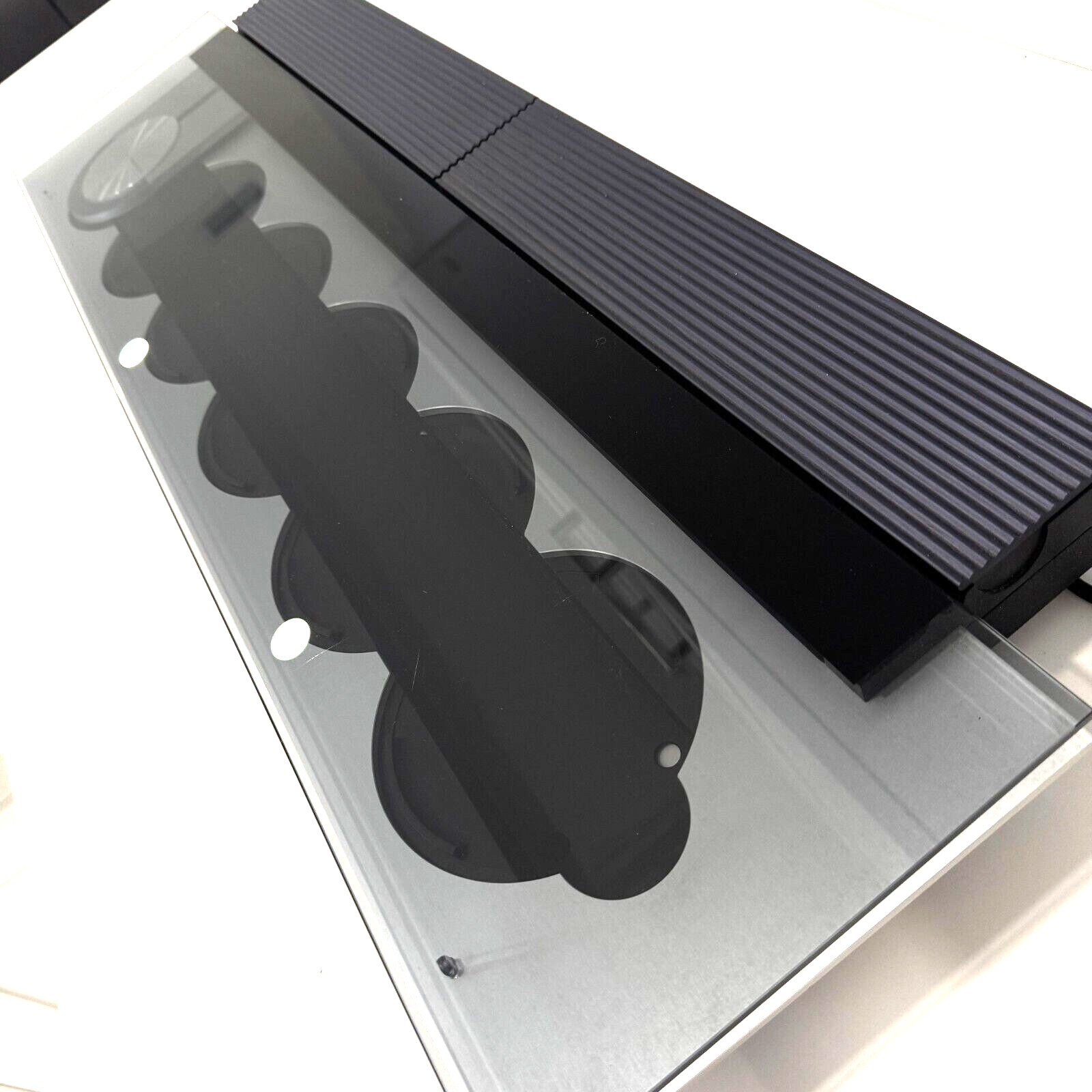
True to Bang & Olufsen’s signature style, the BeoSound S120 features a minimalist, sculptural design rooted in Scandinavian principles of simplicity, functionality, and timeless elegance. The cabinet is typically constructed from high-quality materials, including anodized aluminum and matte-finished composites, with a cylindrical or slightly tapered columnar form that exudes sophistication. The front baffle is clean and uncluttered, often featuring a fabric-covered grille that conceals the drivers while maintaining acoustic transparency.
The S120 was available in a range of finishes consistent with B&O’s design language of the era—silver aluminum, black anodized, and occasionally limited-run colors such as deep red or graphite. The build quality is exceptional, with tight tolerances and seamless joins that reflect the brand’s meticulous attention to detail. The speaker stands or wall-mounting brackets (sold separately) were engineered to match the aesthetic, often made from the same materials and finished to complement the speaker units.
Acoustic Engineering and Performance
Despite its relatively compact size, the BeoSound S120 delivers a surprisingly full and dynamic sound. It is a two-way speaker system, housing a 13 cm (5.1-inch) midrange/bass driver and a 2.5 cm (1-inch) textile dome tweeter. The bass driver is constructed with a magnesium silicate polymer cone, offering a good balance of rigidity and damping, while the tweeter is designed to deliver smooth, extended highs without harshness.
The crossover network is carefully tuned to ensure seamless integration between the drivers, and it is housed internally with high-quality components. The S120 operates as a passive speaker, requiring an external amplifier or receiver for power. With a nominal impedance of 4 ohms and a sensitivity of approximately 88 dB (2.83V/1m), the S120 is moderately efficient and benefits from being driven by a high-current amplifier capable of handling lower impedance loads.
The frequency response ranges from 55 Hz to 22 kHz (+/- 3 dB), making it suitable for a wide variety of music genres, from classical and jazz to rock and electronic. While it lacks the deep sub-bass extension of larger floor-standing models, the S120 manages low frequencies with authority for its size, aided by a rear-firing bass reflex port that enhances low-end output and efficiency.
Integration and System Compatibility
The BeoSound S120 was designed to integrate seamlessly into Bang & Olufsen’s ecosystem of audio and home entertainment products. It pairs particularly well with B&O amplifiers from the same era, such as the BeoCenter 9300 or BeoCom 5000, according to some sources, which were engineered to match the speakers’ tonal characteristics and impedance profile. When used within a B&O system, the S120 benefits from the brand’s holistic approach to sound calibration and aesthetic continuity.
The speaker terminals are high-quality spring clips, allowing for secure connections with bare wire or pin connectors. While banana plugs are not officially supported, many users have successfully adapted them with care. The S120 can be positioned on stands, shelves, or wall-mounted using B&O’s proprietary mounting system, which allows for precise angling toward the listening position.
In a stereo configuration, the S120s create a wide and well-defined soundstage, with excellent imaging and depth. The speakers are not magnetically shielded, so care should be taken when placing them near CRT televisions or other sensitive electronics—a consideration more relevant at the time of their release than in today’s digital living rooms.
Legacy and Collectibility
Today, the BeoSound S120 is considered a vintage audio gem, sought after by collectors and audiophiles who appreciate Bang & Olufsen’s design heritage. While not as widely produced or documented as some of the brand’s flagship models, the S120 has developed a cult following for its understated elegance and balanced sonic character.
Units in good condition, especially those with original grilles and finishes, can command premium prices on the secondhand market. Restoration is often feasible due to the modular design and availability of B&O service documentation, though original parts may be scarce. Re-foaming of the bass drivers is a common maintenance task for aging units, as the original surround materials may degrade over time.
Conclusion
The Bang & Olufsen BeoSound S120 stands as a testament to the brand’s philosophy that audio equipment should be as beautiful to look at as it is to listen to. Combining advanced acoustic engineering with minimalist design, the S120 delivers a premium listening experience in a compact and visually refined package. While it may not have achieved the same level of fame as other B&O speakers, it remains a compelling choice for those who value both form and function in their audio systems.
Whether as part of a restored vintage setup or integrated into a modern high-end system, the S120 continues to impress with its clarity, balance, and timeless design. For collectors and enthusiasts of 1990s high-end audio, the BeoSound S120 is more than just a speaker—it’s a piece of Scandinavian design history, engineered to last and built to inspire.
eBay Listings


As an eBay Partner, we earn from qualifying purchases. This helps support our independent vintage technology research.
Related Models
- Bang & Olufsen Beocord C75 (1968)
- Bang & Olufsen BeoSound 5500 (1997)
- Bang & Olufsen 1702 (1976)
- Bang & Olufsen 505 (1970)
- Bang & Olufsen 900M (1972)
- Akai AM-2850 (1975)
- Akai AP-206 (1975)
- Nakamichi BX-1 (1985)
- Acoustic Research research-ar-17 (1978)
- Acoustic Research AR-19 (1994)