Bang & Olufsen 2800 (1989)
The Bang & Olufsen BeoCom 2800 is a landmark in the evolution of consumer telephony, representing the Danish company’s unwavering commitment to design excellence, functional minimalism, and technological innovation. Released in 1989, the BeoCom 2800 was one of the earliest cordless telephones to merge high-end audio engineering with avant-garde industrial design, setting it apart from the utilitarian handsets that dominated the market at the time.
Design Philosophy and Aesthetic
The BeoCom 2800 was designed by David Lewis, one of Bang & Olufsen’s most celebrated industrial designers. Lewis was known for his “design for use” philosophy, which emphasized intuitive functionality and timeless aesthetics. The BeoCom 2800 exemplifies this approach with its sleek, sculptural form and thoughtful material choices. The handset features a smooth, elongated shape crafted from high-quality ABS plastic, available in a range of muted, sophisticated colors including black, white, and graphite gray. The minimalist design avoids visual clutter, with only essential elements visible—no extraneous buttons or labels.
One of the most distinctive features of the BeoCom 2800 is its integrated cradle and base unit. Unlike conventional cordless phones that required a separate charging dock, the BeoCom 2800’s base was seamlessly integrated into the handset’s form. When placed in the cradle, the phone appeared to float, supported by magnetic alignment. This not only enhanced the futuristic aesthetic but also ensured proper alignment for charging and signal transmission.
The keypad is recessed and features soft-touch rubber keys with subtle tactile feedback. The numbers are laser-etched for durability, and the layout is optimized for ease of use. The earpiece and microphone are precisely positioned to ensure clear audio transmission, while the internal speaker delivers rich, distortion-free sound—a hallmark of Bang & Olufsen’s audio expertise.
Technical Specifications and Innovation
At the time of its release, the BeoCom 2800 was considered technologically advanced. It operated on the 46–49 MHz frequency band, which was standard for analog cordless phones in the late 1980s. The system offered a range of approximately 50 meters indoors and up to 150 meters in open spaces, which was impressive for the era. The phone featured automatic channel selection to minimize interference from other devices, a feature that enhanced call clarity and reliability.
The BeoCom 2800 used a NiCd (Nickel-Cadmium) rechargeable battery pack, providing up to 10 hours of talk time and 100 hours of standby time. Charging was managed through inductive coupling, eliminating the need for exposed metal contacts and reducing wear over time. The base unit connected to the telephone line via a standard RJ11 jack and required a 9V DC power adapter.
Audio performance was a key focus. The handset incorporated noise-reduction circuitry and a balanced microphone system to minimize background noise and ensure clear voice transmission. The receiver used a high-sensitivity dynamic speaker, delivering warm, natural sound quality that was far superior to most consumer phones of the period.
User Experience and Interface
Bang & Olufsen placed great emphasis on user experience, and the BeoCom 2800 was no exception. The phone featured a large, backlit LCD display that showed caller ID (when supported by the telephone service), time, and call duration. The backlight was activated by motion or button press, conserving power while maintaining usability in low-light conditions.
The menu system was accessed via a single multifunction button, allowing users to scroll through settings such as volume control, ringer selection, and call log. Despite its simplicity, the interface was intuitive and required minimal learning. The ringer offered multiple chime options, including a signature soft chime composed by B&O’s in-house sound designers—subtle, elegant, and instantly recognizable.
One of the more innovative features was the “silent mode” function, which allowed users to mute the ringer with a single press. The phone would then indicate incoming calls via a pulsing LED light, preserving the quiet ambiance of high-end living spaces—a thoughtful touch for environments where noise pollution was to be minimized.
Cultural and Historical Significance
The BeoCom 2800 was more than just a telephone; it was a statement piece. During the late 1980s, Bang & Olufsen was establishing itself as a luxury brand in the global audio and electronics market. The BeoCom 2800 reinforced this positioning by appealing to design-conscious consumers who valued both form and function. It was often featured in architecture and interior design magazines, praised for its ability to blend into modernist interiors as a sculptural object rather than a piece of technology.
The phone was marketed primarily in Europe and Japan, where there was a strong appreciation for minimalist design and premium craftsmanship. It was sold through exclusive retailers and B&O’s own boutiques, often displayed alongside the company’s high-fidelity audio systems and televisions.
Legacy and Collectibility
Today, the BeoCom 2800 is a sought-after item among vintage electronics collectors and design enthusiasts. Its timeless aesthetic ensures it remains visually relevant, even decades after its release. Original units in good working condition can command high prices in the secondary market, especially those with the original packaging and accessories.
The BeoCom 2800 also represents a transitional moment in telecommunications history—the bridge between analog landline dominance and the digital revolution. It captures a time when telephones were still central to home life, but beginning to evolve into more sophisticated, design-forward devices.
Bang & Olufsen continued to innovate in the telephony space with later models like the BeoCom 3000 and BeoCom 6000, but the 2800 remains iconic for being one of the first to elevate the cordless phone to the level of art.
Conclusion
The Bang & Olufsen BeoCom 2800 is a masterclass in industrial design and user-centered engineering. It reflects the company’s core values: simplicity, elegance, and uncompromising quality. While no longer a practical choice for modern communication, it stands as a testament to a time when technology was crafted with care and intended to last. For collectors, designers, and vintage audio enthusiasts, the BeoCom 2800 is not just a relic—it’s a piece of design history.
eBay Listings
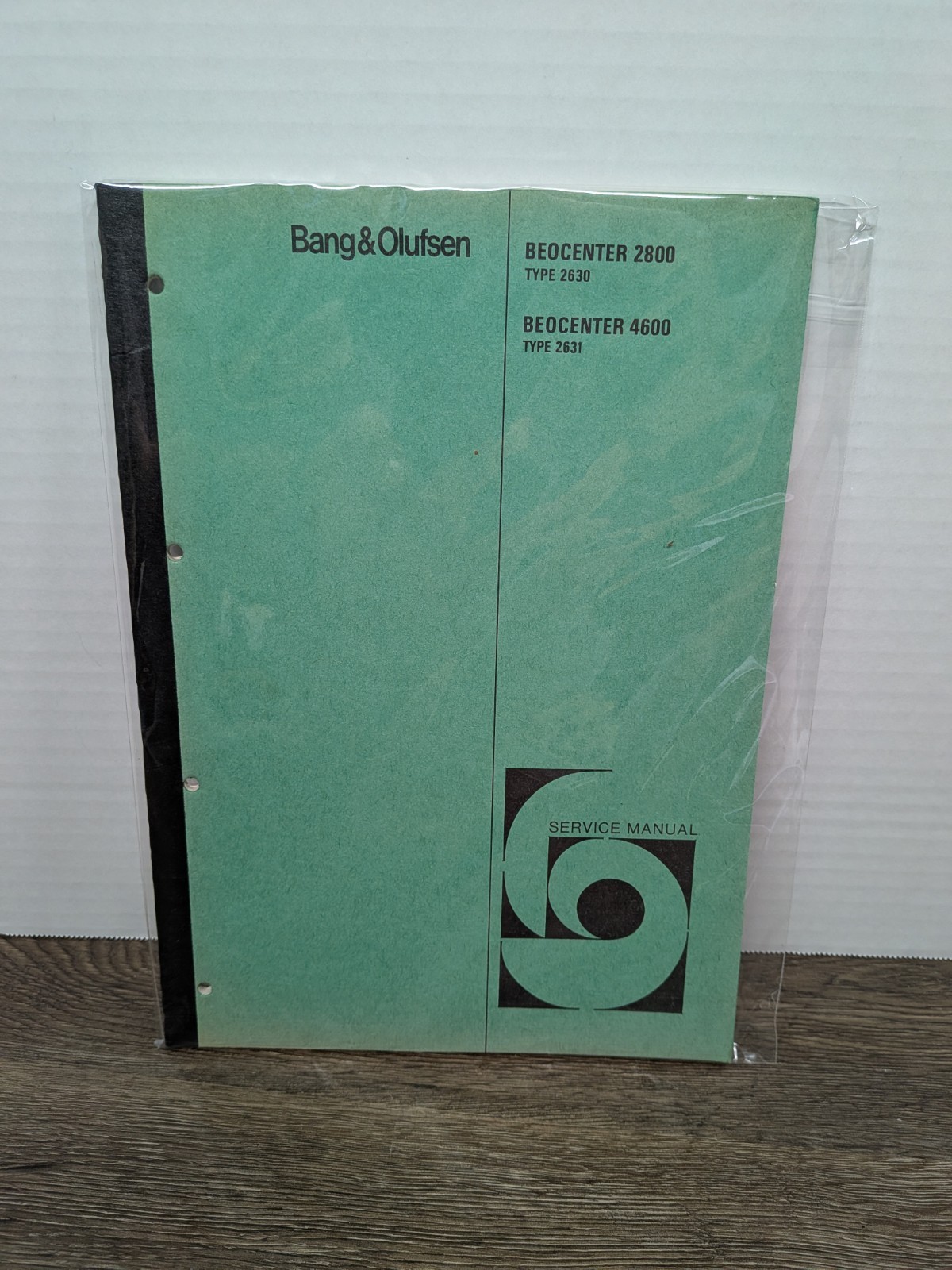
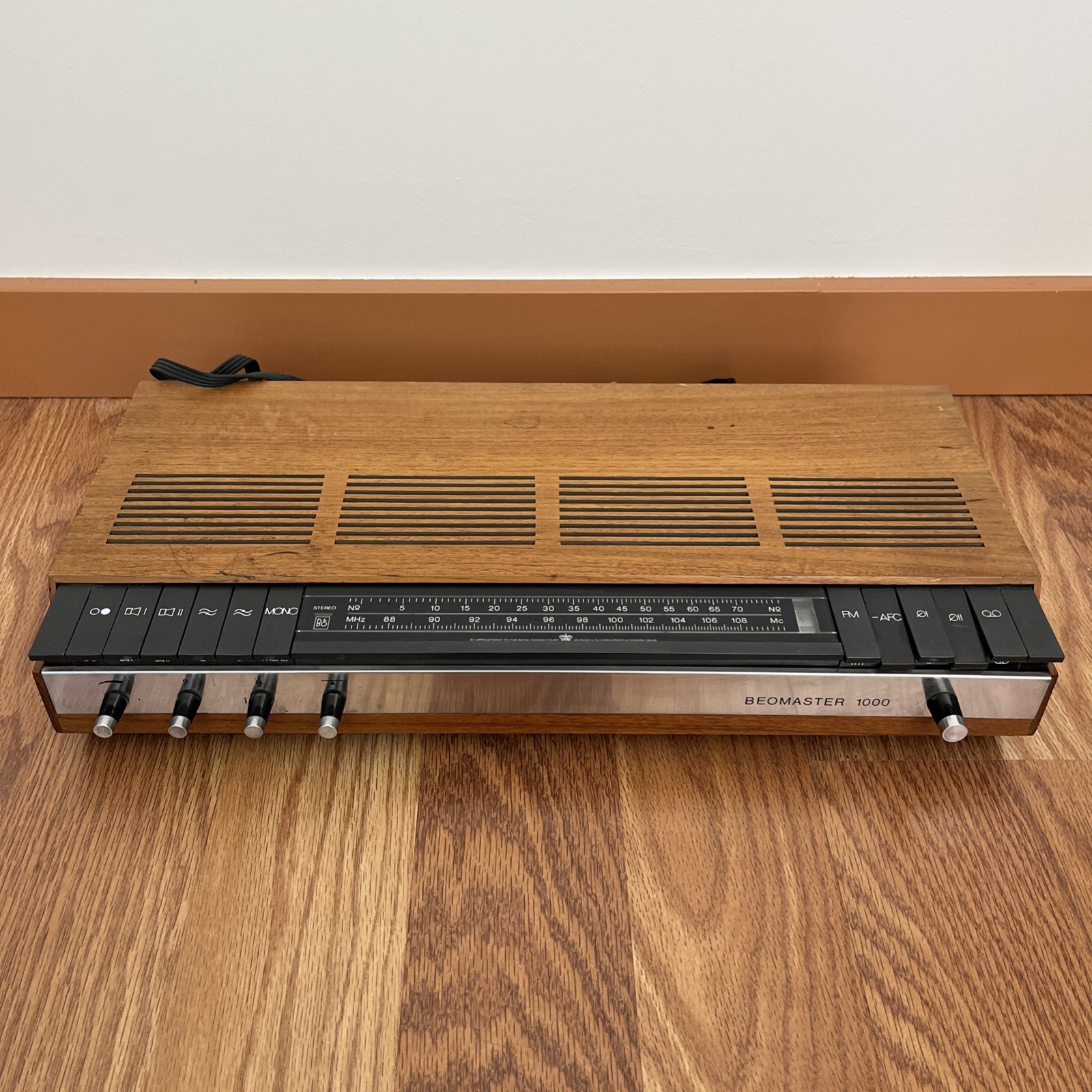

As an eBay Partner, we earn from qualifying purchases. This helps support our independent vintage technology research.
Related Models
- Bang & Olufsen Beocord C75 (1968)
- Bang & Olufsen BeoSound S120 (1995)
- Bang & Olufsen BeoSound 5500 (1997)
- Bang & Olufsen 1702 (1976)
- Bang & Olufsen 505 (1970)
- Akai AM-2850 (1975)
- Akai AP-206 (1975)
- Nakamichi BX-1 (1985)
- Acoustic Research research-ar-17 (1978)
- Acoustic Research AR-19 (1994)