Bang & Olufsen BeoGram 3400 Turntable (1972)
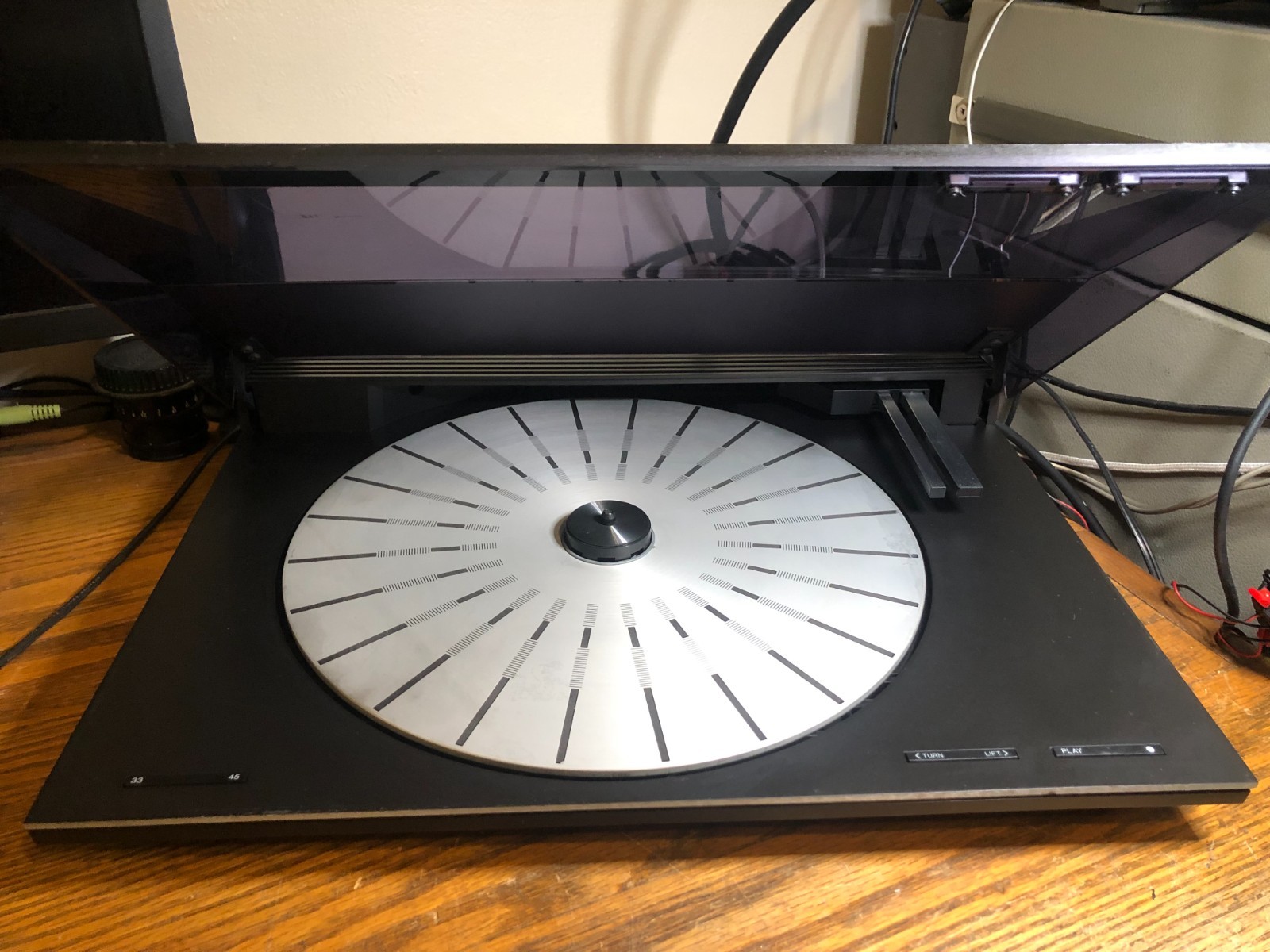
The Bang & Olufsen BeoGram 3400, introduced in 1972, stands as a hallmark of Danish design and engineering excellence in the world of high-fidelity audio. As part of B&O’s integrated modular audio systems of the 1970s, the BeoGram 3400 combined cutting-edge turntable technology with minimalist Scandinavian aesthetics, offering both sonic precision and visual elegance.
Key Specifications
| Feature | Specification |
| Year of Production | 1972–1975 |
| Turntable Type | Belt-drive |
| Tonearm | Tangential (linear tracking) in select variants; radial in others |
| Automatic Functions | Automatic tonearm return |
| Cartridge | B&O-designed MMC (Moving Magnet Compact) cartridge |
| Speeds | 33⅓, 45 RPM |
| Power Requirements | N/A (passive turntable, no internal amplification) |
| Impedance | Not specified |
| Sensitivity | Not specified |
| Dimensions | Varies by model; designed to integrate with B&O system components |
| Weight | Approx. 8–10 kg (depending on configuration) |
| Finish Options | Aluminum and smoked acrylic; available in black, silver, and walnut accents |
Historical Context
The BeoGram 3400 was developed during a transformative era for Bang & Olufsen, when the company was pioneering the concept of modular, design-coherent home audio systems. It was intended to seamlessly integrate with other components in the B&O ecosystem, such as the BeoCom 900 control unit and BeoSound amplifiers, allowing users to build a unified, high-end listening environment.
This turntable exemplified B&O’s philosophy of combining user-centric functionality with timeless design. The optional tangential (linear tracking) tonearm was a significant technical achievement, minimizing tracking error and record wear—offering audiophiles a more accurate and gentle playback experience than conventional pivoted tonearms.
The BeoGram 3400 also reflected the 1970s shift toward automation in hi-fi equipment. Its automatic tonearm return and precise speed control made it accessible and convenient, aligning with B&O’s vision of elegant, effortless operation.
Sound Signature
The BeoGram 3400 delivers a clean, detailed, and neutral sound profile, characteristic of Bang & Olufsen’s high-quality MMC cartridges. The tangential tonearm variants offer exceptional channel separation and low distortion, preserving the integrity of the original recording. Users often praise its low surface noise and excellent groove tracking, even on warped or delicate records.
Due to its precise engineering and minimal resonance chassis, the turntable produces a transparent presentation with tight bass, clear mids, and extended highs—ideal for classical, jazz, and acoustic genres.
Maintenance and Tips
Owning a vintage BeoGram 3400 requires some attention to upkeep, but proper maintenance ensures reliable performance and longevity:
- Replace Aging Belts: The belt-drive system relies on a rubber belt that degrades over time. Replacing it every 10–15 years (or if slipping occurs) is essential for consistent speed and performance.
- Tonearm Lubrication: The automatic return mechanism and linear tracking system (if equipped) may require periodic lubrication by a qualified technician to prevent sticking or erratic movement.
- Cartridge Care: The proprietary MMC cartridge is high-performing but can be difficult and expensive to replace. Consider having a spare or using a compatible third-party alternative if original units are unavailable.
- Cleaning: Use a soft, lint-free cloth for the acrylic and aluminum surfaces. Avoid harsh chemicals that could damage the finish.
- Alignment Check: If using a radial tonearm variant, ensure proper alignment and tracking force settings for optimal playback and record preservation.
- Storage: Keep the turntable covered when not in use to prevent dust accumulation, especially on the tonearm and platter.
Collectibility and Market Value
The BeoGram 3400 holds a collectibility rating of 7/10, appealing to both vintage audio enthusiasts and design collectors. Its association with B&O’s golden era of modular systems, combined with its distinctive look and innovative features, ensures steady demand.
As of recent market trends, working units in good condition typically sell for $150–$400, with higher prices for models equipped with the tangential tonearm, original packaging, or rare finishes. Fully serviced units with a functional automatic return and a healthy MMC cartridge command a premium.
Conclusion
The Bang & Olufsen BeoGram 3400 is more than a turntable—it’s a statement of design and engineering philosophy. From its sleek lines to its advanced linear tracking technology, it represents a high point in 1970s hi-fi innovation. For collectors and audiophiles alike, the BeoGram 3400 remains a desirable piece that bridges form, function, and timeless elegance.
eBay Listings



As an eBay Partner, we earn from qualifying purchases. This helps support our independent vintage technology research.
Related Models
- Bang & Olufsen 2202 (1973)
- Bang & Olufsen 2404 (1972)
- Bang & Olufsen 5005 (1980)
- Bang & Olufsen Beogram 1000 (1972)
- Bang & Olufsen BeoGram 2402 (1974)
- Luxman PD-272 (1983)
- Garrard 2025tc (1968)
- Onkyo CP-1010 (1976)
- Pioneer PL-15R (1975)
- Pioneer PL-250 (1979)