Bang & Olufsen Beogram 3000 Turntable (1972)
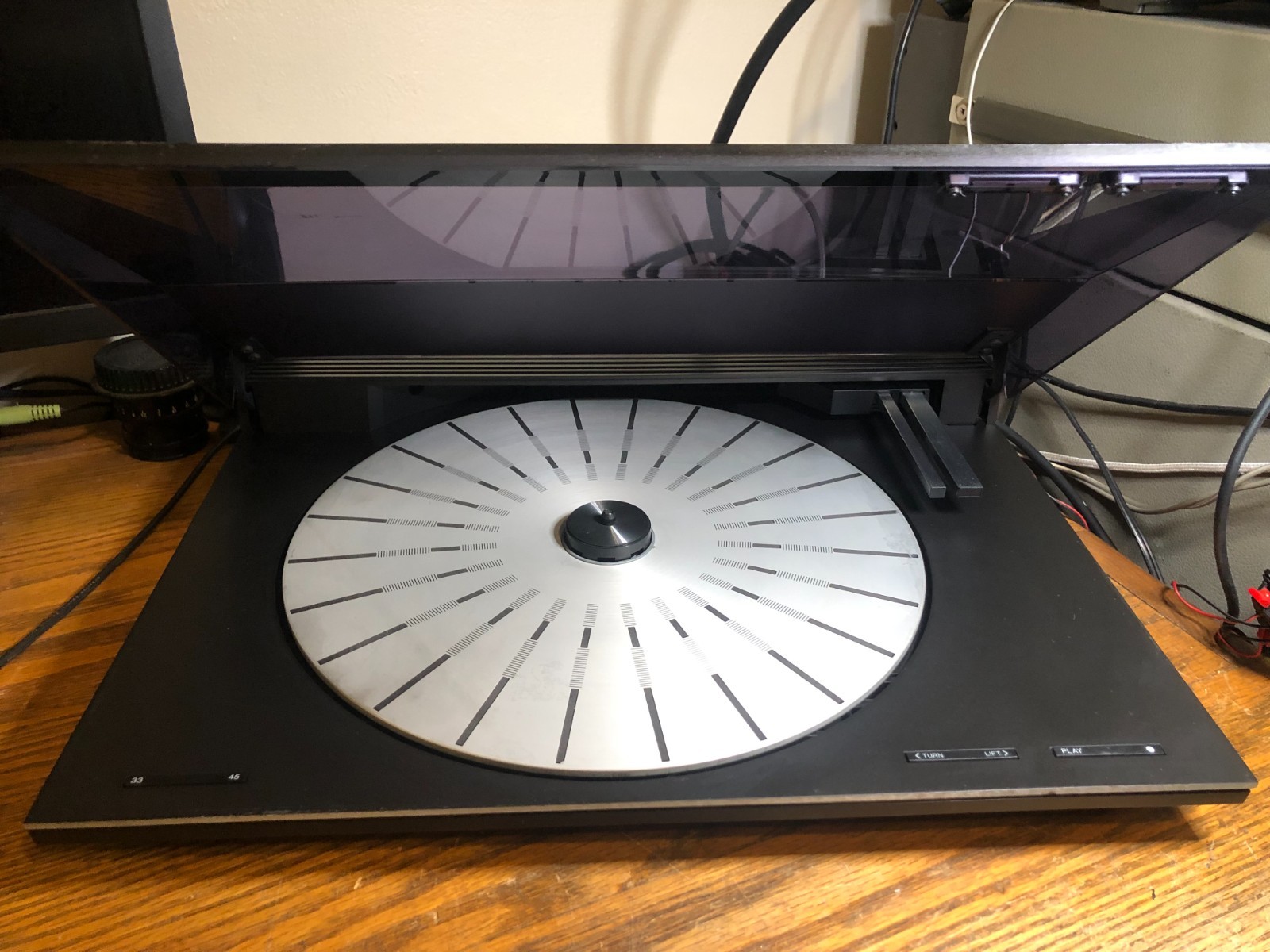
The Bang & Olufsen Beogram 3000, introduced in 1972, stands as a landmark in turntable design and a hallmark of Danish audio engineering. Part of B&O’s prestigious Beogram series, the 3000 combined cutting-edge technology with minimalist Scandinavian aesthetics, delivering both visual elegance and high-fidelity sound reproduction. Its innovative tangential tonearm system set it apart from conventional pivoted-arm turntables of the era, minimizing tracking error and enhancing vinyl playback accuracy.
Key Specifications
| Feature | Specification |
| Model | Beogram 3000 |
| Brand | Bang & Olufsen |
| Year of Release | 1972 |
| Production Period | 1972–1976 |
| Turntable Type | Semi-automatic, belt-driven |
| Drive System | Belt drive |
| Platter | Aluminum, 30 cm |
| Speeds | 33⅓, 45 RPM |
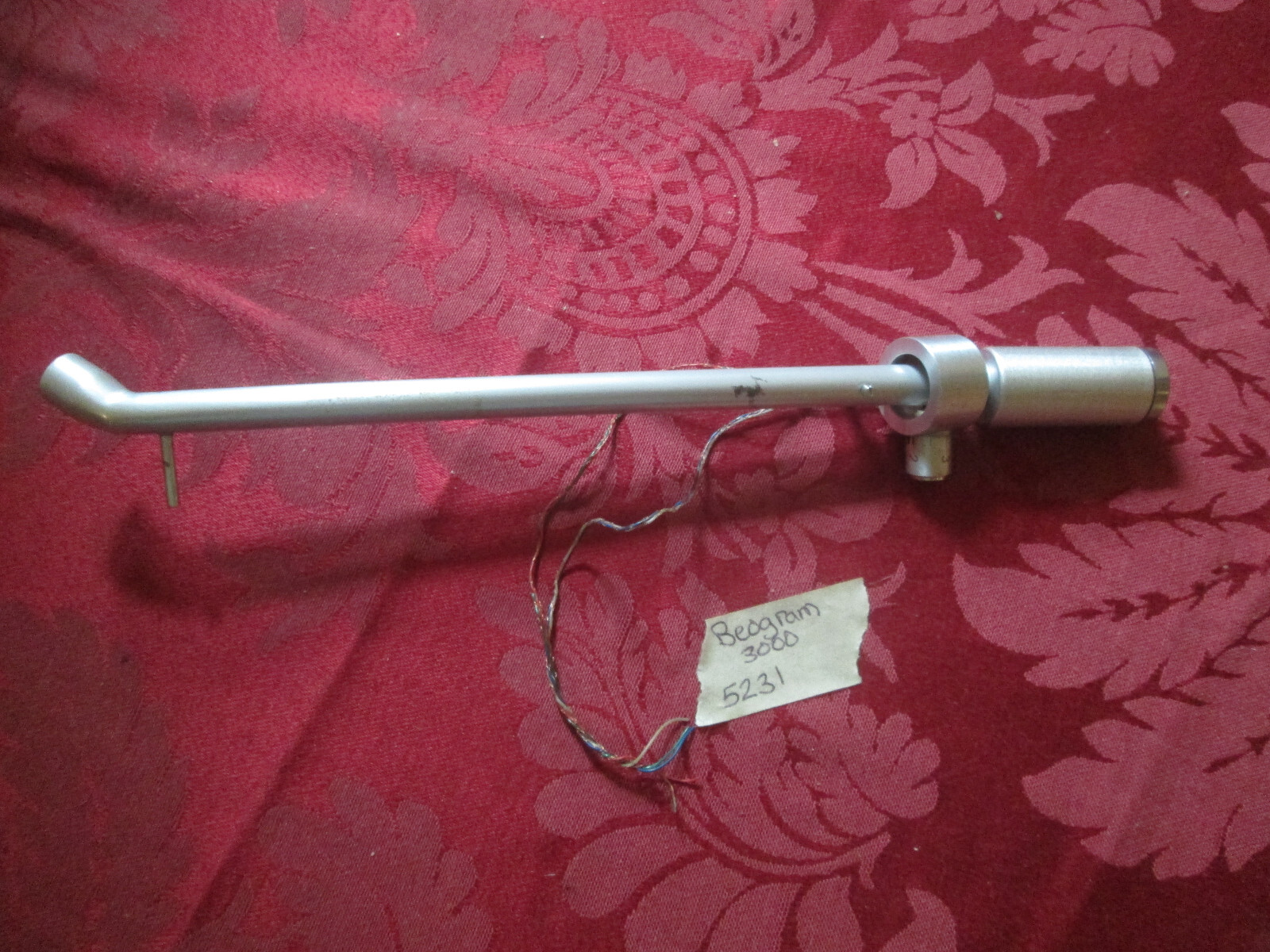
| Tonearm Type | Tangential (linear tracking), low-mass |
| Cartridge Compatibility | B&O MMC series (proprietary) |
| Output Voltage | ~2–5 mV (MM cartridge typical) |
| Impedance | High impedance (varies with cartridge) |
| Power Requirements | N/A (external power supply for motor and logic) |
| Dimensions | 450 × 350 × 120 mm |
| Weight | 12.5 kg |
| Sub-chassis | Suspended, decoupled design |
Historical Context
The Beogram 3000 was a pivotal model in Bang & Olufsen’s pursuit of precision and design purity. At a time when most turntables used pivoted tonearms, B&O championed tangential (linear tracking) arms, which move straight across the record groove, eliminating angular tracking error. This design ensured more accurate stylus alignment throughout playback, reducing distortion and record wear.
Part of the iconic Beogram series, the 3000 reflected B&O’s philosophy of merging form and function. Designed by Henning Moldenhawer, it featured a sleek, low-profile aluminum body, a suspended sub-chassis for vibration isolation, and a motor housed in a separate compartment to minimize resonance. The turntable’s minimalist aesthetic and mechanical sophistication made it a favorite among audiophiles and design enthusiasts alike.
The Beogram 3000 helped establish B&O as a leader in high-end audio innovation, influencing future generations of linear-tracking turntables and setting new standards for build quality and sonic accuracy.
Sound Signature
The Beogram 3000 delivers a clean, neutral, and detailed sound, largely due to its precise tangential tracking and rigid construction. With minimal tracking distortion, it preserves the integrity of the original recording, especially on complex passages. Sound quality is highly dependent on the condition and type of MMC cartridge installed—original B&O MMC cartridges are known for their clarity and dynamic range, though they are now rare and costly.
When properly maintained, the 3000 offers a transparent listening experience, with excellent stereo imaging and low background noise, making it a favorite for critical listening.
Maintenance and Tips
Due to its age, the Beogram 3000 requires careful maintenance to ensure optimal performance:
- Replace the Belt: The rubber belt degrades over time. Replace it with a high-quality OEM or compatible belt every 10–15 years, or sooner if slipping occurs.
- Inspect Suspension System: The suspended sub-chassis uses rubber dampers that can harden or sag. Check for uneven leveling or reduced isolation; replacement kits are available from specialty vendors.
- Clean and Lubricate Mechanisms: The linear tracking mechanism and transport rails should be cleaned and lightly lubricated to prevent stuttering or binding.
- Capacitor Replacement: If the turntable includes electronic speed control or logic circuits, aging capacitors may need replacing to prevent malfunctions.
- Cartridge Care: Original B&O MMC cartridges are obsolete and expensive. Consider using a compatible third-party cartridge or refurbishing an original unit. Alignment must be precise due to the tangential design.
- Motor Maintenance: Ensure the motor runs smoothly and quietly. Any humming or vibration may indicate bearing wear or electrical issues.
Regular cleaning of the record platter, tonearm, and stylus is essential for preserving both the turntable and your vinyl collection.
Collectibility and Market Value
The Beogram 3000 holds strong appeal among vintage audio collectors and design aficionados. Its collectibility is rated 7/10, driven by its iconic status, innovative engineering, and timeless design.
- Market Value: $150–$400 USD, depending on condition, functionality, and whether it includes a working MMC cartridge.
- Higher Value: Units in excellent condition with original packaging, documentation, and a functional cartridge can command prices at the upper end or beyond.
- Restoration Potential: Well-restored models are highly sought after, though sourcing original parts—especially cartridges—can be challenging.
Conclusion
The Bang & Olufsen Beogram 3000 is more than a turntable—it’s a masterpiece of audio engineering and industrial design. Its pioneering use of a tangential tonearm, combined with meticulous build quality and aesthetic refinement, ensures its place in the pantheon of classic hi-fi equipment. For collectors and audiophiles, the Beogram 3000 remains a rewarding investment, offering both sonic excellence and enduring design legacy.
eBay Listings


As an eBay Partner, we earn from qualifying purchases. This helps support our independent vintage technology research.
Related Models
- Bang & Olufsen 2202 (1973)
- Bang & Olufsen 2404 (1972)
- Bang & Olufsen 5005 (1980)
- Bang & Olufsen Beogram 1000 (1972)
- Bang & Olufsen BeoGram 2402 (1974)
- Luxman PD-272 (1983)
- Garrard 2025tc (1968)
- Onkyo CP-1010 (1976)
- Pioneer PL-15R (1975)
- Pioneer PL-250 (1979)