Bang & Olufsen Beogram 1000 Turntable (1972)
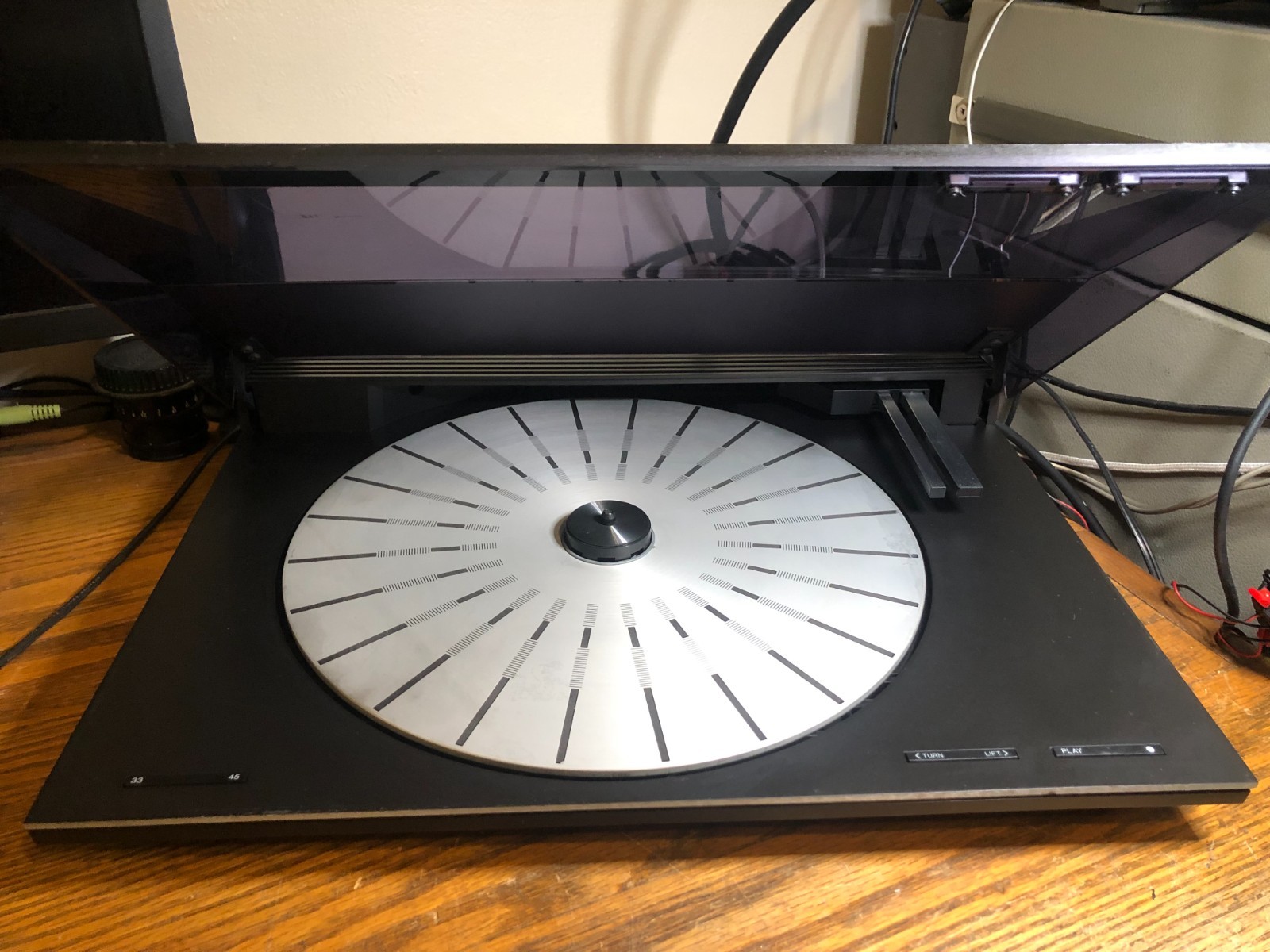
The Bang & Olufsen Beogram 1000, introduced in 1972, is a landmark turntable in the history of high-fidelity audio. As part of B&O's prestigious Beogram series, the Beogram 1000 exemplifies the fusion of minimalist Danish design, precision engineering, and innovative technology. Renowned for its unique tangential tonearm and automatic operation, this turntable delivers exceptional tracking accuracy and a refined listening experience, making it a sought-after piece among vintage audio enthusiasts and collectors.
Specifications
| Feature | Specification |
| Brand | Bang & Olufsen |
| Model | Beogram 1000 |
| Production Years | 1972–1978 |
| Category | Turntable |
| Drive System | Belt-drive |
| Tonearm Type | Tangential (linear tracking) |
| Cartridge | MMC (Moving Magnet Compact) |
| Automatic Functions | Fully automatic (auto start, stop, return) |
| Built-in Preamp | Yes |
| Design | Low-mass, minimalist aluminum and wood construction |
| System Integration | Compatible with B&O BeoSystem components |
| Power Requirements | 220–240V AC (region-specific variants exist) |
| Dimensions | 450 × 135 × 370 mm (W×H×D) |
| Weight | 8.5 kg |
| Color Options | Natural aluminum, black, teak veneer base |
Note: As a turntable, specifications such as power output, impedance, and sensitivity are not applicable.
Historical Context
The Beogram 1000 was a flagship model in Bang & Olufsen’s Beogram line, which redefined the aesthetics and functionality of home audio during the 1970s. Its most revolutionary feature was the tangential tonearm, which moves in a straight line across the record surface, maintaining a perfect 90-degree angle to the grooves at all times. This design virtually eliminates tracking error and distortion—common issues with pivoted tonearms—resulting in superior sound fidelity.
Designed by Henning Moldenhawer, the Beogram 1000 combined cutting-edge engineering with sleek, modernist design. Its low-mass construction and precision belt-drive system contributed to excellent speed stability and reduced resonance. The inclusion of a built-in RIAA preamp and seamless integration with other B&O components (such as BeoLab speakers and BeoCenter systems) made it a centerpiece of the BeoSystem ecosystem.
The Beogram 1000 symbolized the height of Danish audio innovation and luxury, appealing to audiophiles who valued both performance and design. It remains a celebrated example of how form and function can coexist in high-end audio equipment.
Sound Signature
The Beogram 1000 delivers a clean, accurate, and detailed sound with remarkably low distortion, thanks to its tangential tracking system. The proprietary MMC cartridge imparts a slightly warm and musical character, balancing precision with analog richness—a hallmark of B&O’s sonic philosophy. The result is a transparent yet engaging presentation, ideal for jazz, classical, and vocal recordings.
Due to the linear tracking arm, sibilance and inner-groove distortion are minimized, allowing for extended listening sessions with reduced listener fatigue. The built-in preamp adds a touch of refinement, though some purists prefer bypassing it with an external phono stage for maximum transparency.
Maintenance and Tips
Owning a Beogram 1000 requires careful maintenance due to its age and proprietary components. Here are key considerations:
- Belt Replacement: The rubber drive belt is prone to drying and cracking after decades. Replace it with a high-quality silicone or urethane equivalent designed for vintage B&O turntables.
- MMC Cartridge Care: The original MMC cartridge is obsolete and expensive to replace or retip. Handle with care, align properly, and avoid excessive tracking force. Consider keeping a spare if available.
- Capacitor Replacement: The internal preamp contains aging electrolytic capacitors that may leak or degrade. A professional recapping is recommended for optimal performance and to prevent damage.
- Plastic Parts: Some internal plastic components may become brittle. Inspect for cracks, especially in the tonearm mechanism and auto-lift assembly.
- Lubrication: The tangential bearing rail and drive mechanism may require specialized lubrication. Use only manufacturer-recommended oils to avoid gumming or attracting dust.
- Cleaning: Use a soft, dry cloth for the exterior. Clean the record platter and tonearm with appropriate vinyl care tools. Never use abrasive cleaners on the aluminum surfaces.
Regular servicing by a technician experienced with vintage B&O equipment is highly recommended to preserve functionality and value.
Collectibility and Market Value
The Beogram 1000 holds a collectibility rating of 7/10. Its iconic design, innovative engineering, and association with B&O’s golden era ensure steady demand among vintage audio collectors. Fully functional units with original MMC cartridges in good condition command the highest prices.
- Market Value: $200–$600 USD, depending on condition, functionality, and cartridge status.
- Rarity: Moderate—produced in limited numbers over a six-year span.
- Restoration Potential: High, though sourcing original parts can be challenging.
Units with documented service history, original packaging, or rare finishes may exceed the upper end of the price range.
Conclusion
The Bang & Olufsen Beogram 1000 is more than a turntable—it’s a masterpiece of 1970s audio design. Its tangential tonearm, elegant build, and integration within the BeoSystem make it a standout in the world of vintage hi-fi. While maintenance can be demanding, the reward is a listening experience that blends precision with musicality, wrapped in timeless Scandinavian design. For collectors and audiophiles alike, the Beogram 1000 remains a symbol of innovation and elegance.
eBay Listings



As an eBay Partner, we earn from qualifying purchases. This helps support our independent vintage technology research.
Related Models
- Bang & Olufsen 2202 (1973)
- Bang & Olufsen 2404 (1972)
- Bang & Olufsen 5005 (1980)
- Bang & Olufsen BeoGram 2402 (1974)
- Bang & Olufsen Beogram 3000 (1972)
- Luxman PD-272 (1983)
- Garrard 2025tc (1968)
- Onkyo CP-1010 (1976)
- Pioneer PL-15R (1975)
- Pioneer PL-250 (1979)