Bang & Olufsen BeoCord 2200 Cassette Deck (1979)
The Bang & Olufsen BeoCord 2200 is a premium cassette deck introduced in 1979 as part of the Danish manufacturer’s prestigious 2200 series. Renowned for its elegant design, advanced engineering, and superior sound quality, the BeoCord 2200 exemplifies Bang & Olufsen’s philosophy of merging form and function. With its 3-head configuration, Dolby B and C noise reduction, and auto-reverse capability, this deck was positioned at the forefront of consumer audio technology during the late 1970s and early 1980s.
Specifications
| Feature | Specification |
| Model | BeoCord 2200 |
| Brand | Bang & Olufsen |
| Year Introduced | 1979 |
| Production Period | 1979–1983 |
| Head Configuration | 3-head (separate record, playback, erase) |
| Tape Speed | 4.76 cm/s (standard speed) |
| Noise Reduction | Dolby B, Dolby C |
| Motor Type | Servo-controlled DC motor |
| Auto-Reverse | Yes |
| Calibration | Automatic tape calibration |
| Level Indicators | Dual peak level meters |
| Controls | Soft-touch mechanical buttons |
| Inputs | Line-level input (RCA) |
| Outputs | Line-level output (RCA) |
| Power Requirements | N/A (line-powered via system connection) |
| Impedance | N/A (line-level I/O) |
| Sensitivity | N/A (line-level I/O) |
| Wow and Flutter | < 0.07% (weighted) |
| Frequency Response | 20 Hz – 20 kHz (with CrO₂ tape, Dolby C) |
| Dynamic Range | Up to 72 dB (with Dolby C) |
| Dimensions | 420 × 125 × 300 mm (W×H×D) |
| Weight | 9.5 kg |
Historical Context
The BeoCord 2200 was a flagship model in Bang & Olufsen’s 2200 series, which also included the BeoCom 2200 tuner and BeoLab 2200 amplifier. Designed to integrate seamlessly into B&O’s modular audio systems, the deck reflected the brand’s minimalist Scandinavian design language and commitment to high-fidelity performance.
During the late 1970s, cassette technology was rapidly evolving from a portable recording medium to a serious contender in high-end audio reproduction. The BeoCord 2200 stood out by offering a 3-head design—typically reserved for professional or high-end decks—allowing independent optimization of recording and playback. Its auto-reverse function, combined with precise servo control and real-time peak meters, made it both user-friendly and technically advanced.
The use of Dolby C noise reduction, which was relatively new at the time, significantly improved tape hiss performance, especially with Type II (chrome) and Type IV (metal) tapes. This, along with automatic tape calibration, ensured consistent recording levels across different tape formulations.
Sound Signature
The BeoCord 2200 delivers a clean, neutral, and highly detailed sound. Thanks to its 3-head design and precision tape transport, it achieves excellent channel separation, low distortion, and minimal wow and flutter. The integration of Dolby B and C noise reduction enhances clarity, particularly in the high frequencies, making it ideal for critical listening.
Its servo-controlled DC motor ensures stable tape speed, contributing to tight bass response and accurate stereo imaging. Whether playing pre-recorded tapes or high-quality home recordings, the BeoCord 2200 offers a listening experience that remains impressive even by modern standards.
Maintenance and Tips
Like all vintage cassette decks, the BeoCord 2200 benefits from regular maintenance to ensure optimal performance:
- Belt and Idler Tire Replacement: Over time, rubber belts and idler tires degrade, leading to speed instability or transport failure. Replacing these components is often necessary for full functionality.
- Capacitor Check: Aging electrolytic capacitors in the power supply or signal path may leak or fail. A professional recapping can prevent damage and restore reliability.
- Head Cleaning and Alignment: Regular cleaning of the tape heads, capstan, and pinch roller with isopropyl alcohol is essential. Head alignment should be checked periodically, especially if tapes sound dull or off-center.
- Auto-Reverse Mechanism: This complex mechanism can become sluggish or misaligned. Lubrication and calibration by a qualified technician are recommended.
- Use Quality Tapes: For best results, use Type II (chrome) or Type IV (metal) tapes. Avoid using Type I (ferric) tapes for critical recordings.
- Storage: Store the unit in a dry, dust-free environment. Keep it powered on occasionally to prevent contact oxidation.
Collectibility and Market Value
The BeoCord 2200 holds a collectibility rating of 7/10. Its sleek aluminum and black design, combined with solid build quality and advanced features, makes it a sought-after piece among vintage audio enthusiasts and B&O collectors.
In the current market (2024), a fully functional BeoCord 2200 typically sells for $150 to $300, depending on condition, service history, and completeness. Units with verified service records, original packaging, or rare finishes may command higher prices.
While not as rare as some Japanese high-end decks of the era, the BeoCord 2200 stands out for its design pedigree and integration within Bang & Olufsen’s iconic system ecosystem, ensuring its lasting appeal.
eBay Listings
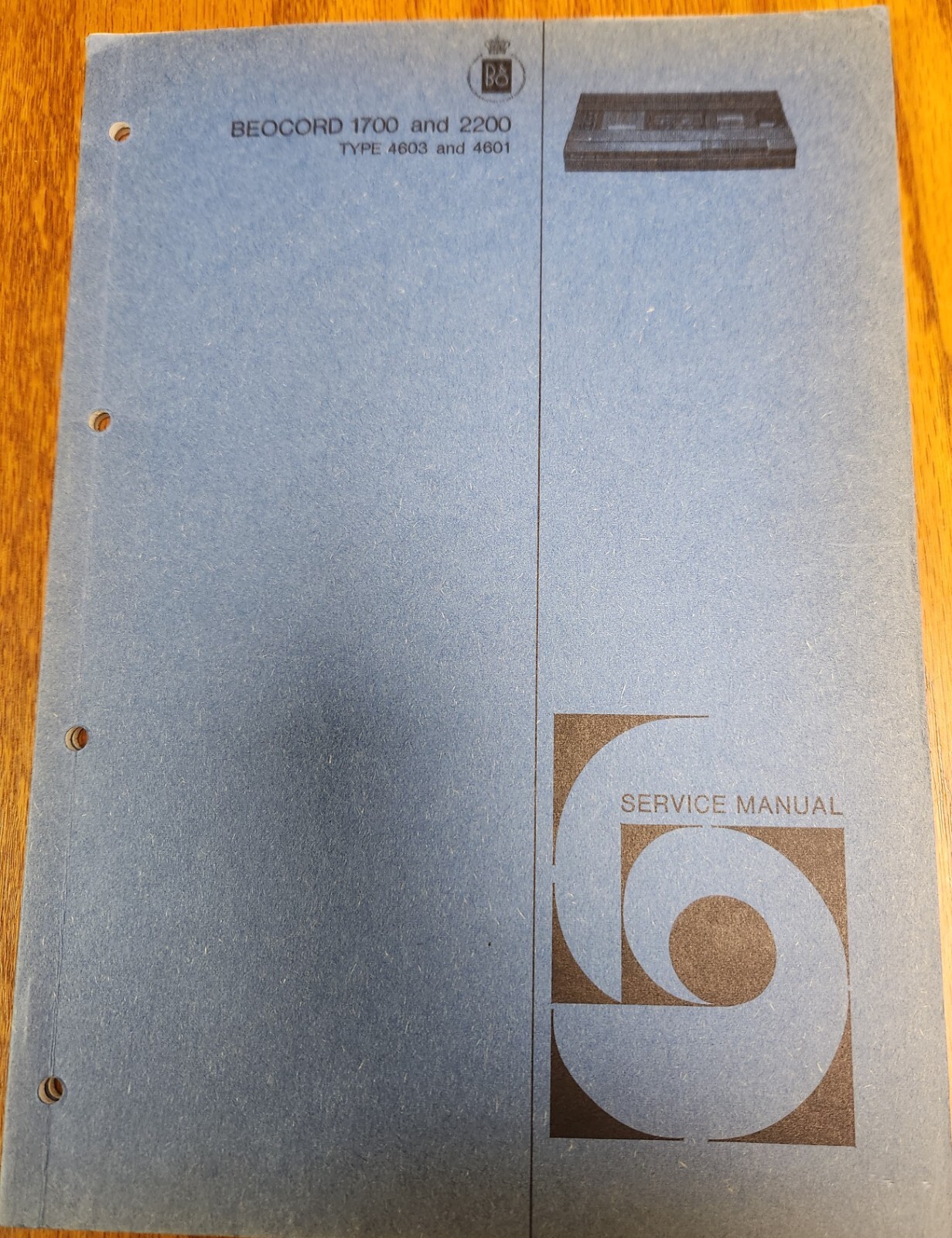

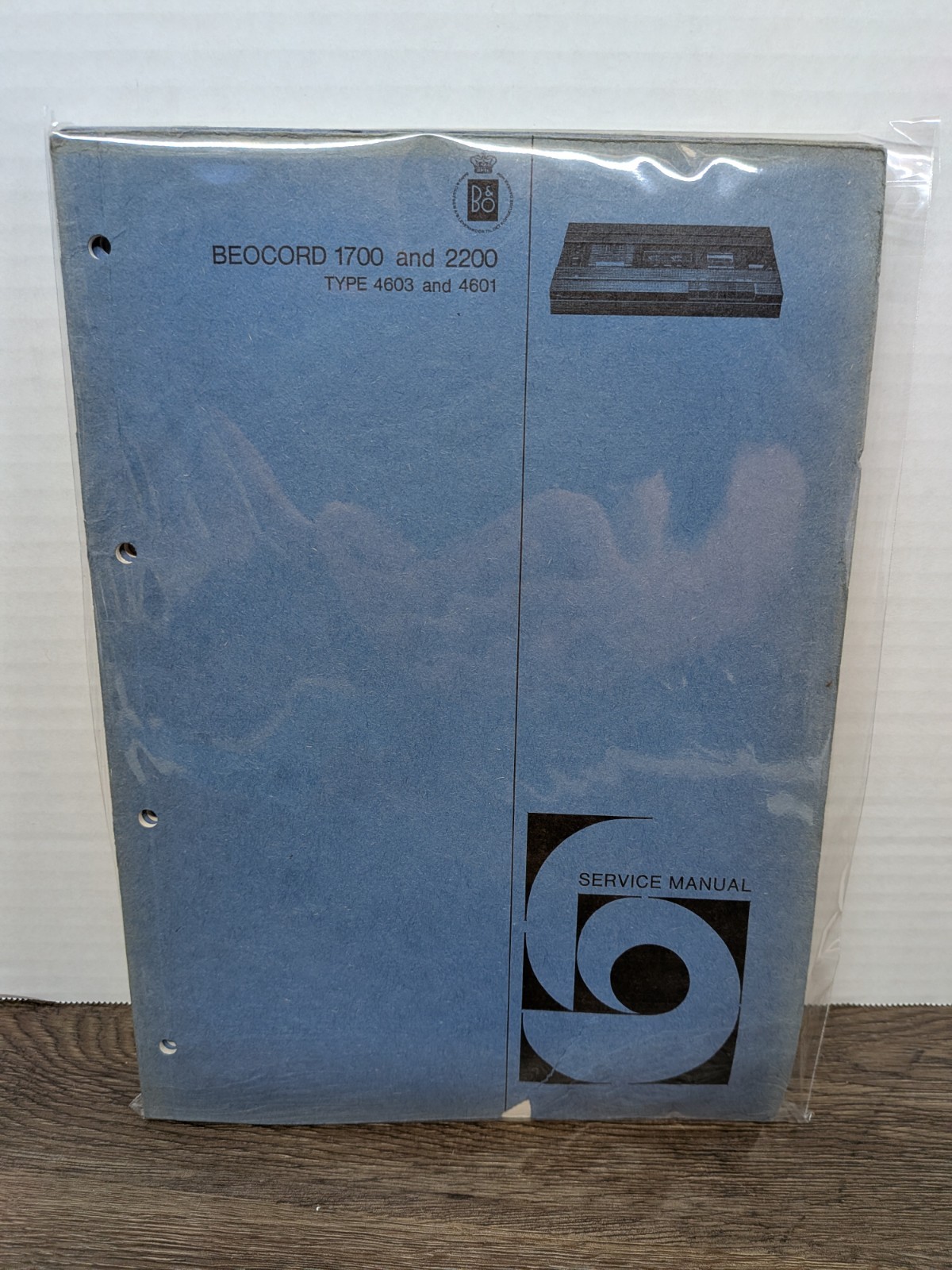
As an eBay Partner, we earn from qualifying purchases. This helps support our independent vintage technology research.
Related Models
- Bang & Olufsen Beolab 8000 (1980)
- Bang & Olufsen 8004 (1983)
- Bang & Olufsen BeoCom 2400 (1982)
- Bang & Olufsen BeoCom 3500 (1982)
- Bang & Olufsen BeoCom 6002 (1992)
- Sony TC-2050SD (1978)
- Aiwa AD-F990 (1993)
- Kenwood KX-3060 (1982)
- Sony TC-2130A (1974)
- Sony TC-2220 (1972)