AR Acoustic Research AR-3a (1967–1974)
When you fire these up after a restoration, the room doesn’t just fill with sound—it fills with presence, like the air itself has been tuned.
Overview
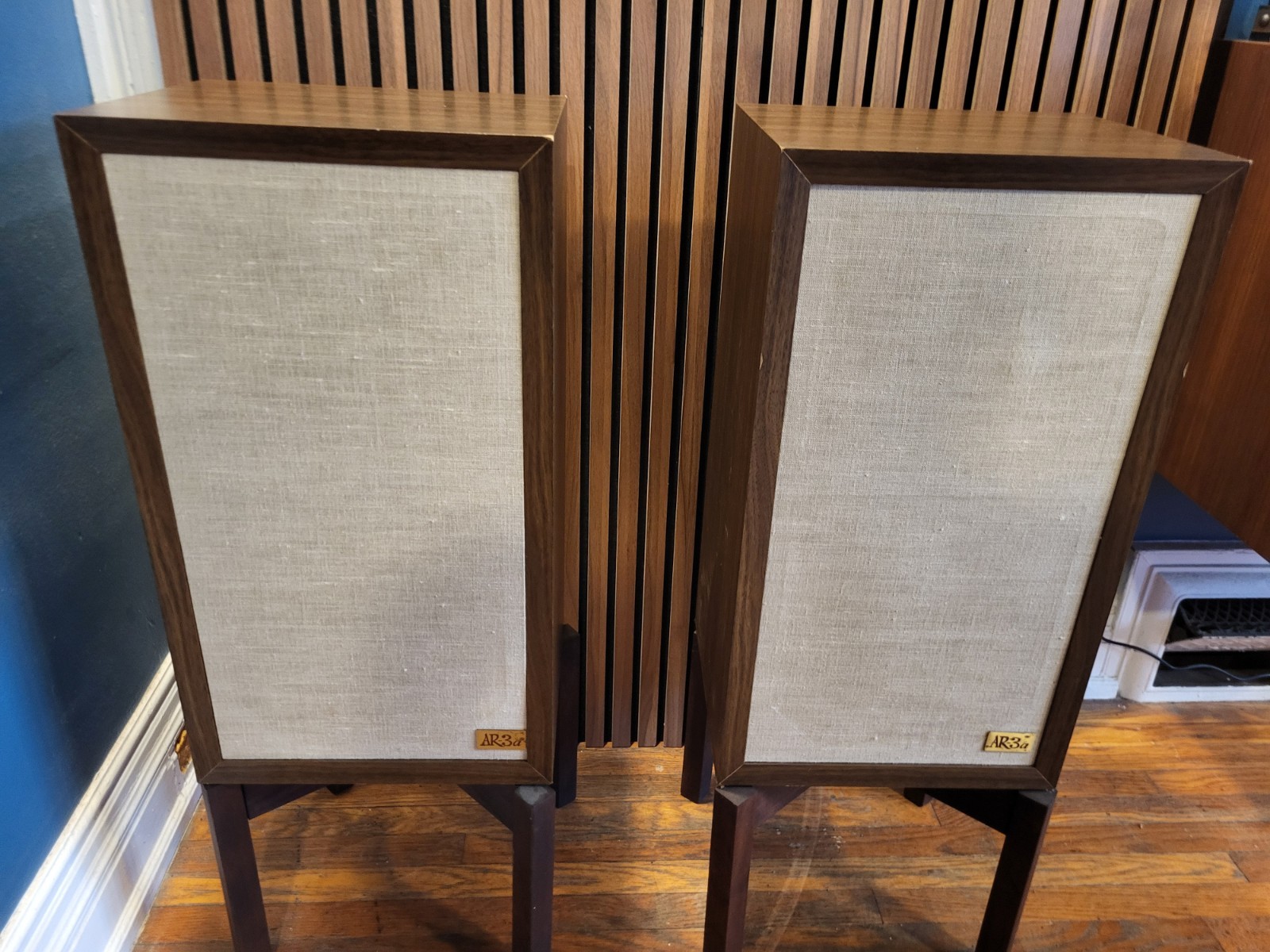
Pull one of these walnut-clad monoliths out of a forgotten corner of a basement, and you’re not just unearthing a speaker—you’re waking up a piece of audio history that helped define what high fidelity could be. The AR-3a isn’t just a successor to the legendary AR-3; it’s the refinement of a revolution. When Acoustic Research rolled it out in October 1967 at the New York High Fidelity Music Show, they weren’t chasing trends—they were setting them. This was the speaker that carried the torch of Edgar Villchur’s acoustic suspension breakthrough into a new era, now polished by Roy Allison’s hand with updated drivers and a more forgiving, natural top end. It stood as AR’s undisputed flagship through the early 1970s, a time when speaker design was still grappling with how to balance accuracy, dispersion, and realism without tipping into sterility.
What made the AR-3a special wasn’t just its lineage—it was how it wore it. It kept the 12-inch acoustic suspension woofer that had stunned the audio world in the AR-1 and AR-3, delivering deep, articulate bass from a cabinet that didn’t dominate the living room. But where the original AR-3 used larger dome drivers for mid and high frequencies, the 3a swapped in smaller 38mm midrange and 19mm tweeter domes, both hemispherical and direct-radiating. That change wasn’t just cosmetic; it lowered the crossover points to 575 Hz and 5 kHz, which improved dispersion and smoothed the off-axis response. Listeners stopped hearing “speakers in a box” and started hearing music in space. The result was a sound that felt open, balanced, and eerily lifelike—especially with acoustic and chamber music, the very genres AR had used in its famous live-vs.-recorded demos a decade earlier.
And yes, those demos—where audiences couldn’t tell if they were hearing a live string quartet or a recording through AR-3s—were no marketing myth. They were real, and they haunted the industry. By the time the 3a arrived, that legacy was baked in. It wasn’t trying to impress with boomy bass or sizzling highs; it was engineered to disappear, to let the performance come through without editorializing. That neutrality, combined with a 30 Hz–20 kHz frequency response (rare for the time), made it a favorite in broadcast studios, mastering rooms, and the homes of engineers who needed to hear what was actually on the tape. It wasn’t flashy, but it was honest—sometimes brutally so. Play a poorly recorded track, and the AR-3a won’t sugarcoat it. But play a good one, and it’ll make you forget you’re listening to speakers at all.
Specifications
| Manufacturer | Acoustic Research |
| Production Years | 1967–1974 |
| Original Price | $162 (1966), $132–$146 (early 1970s, Japan) |
| Model Type | 3-way, 3-speaker, acoustic suspension |
| Enclosure Type | Bookshelf (though large for the category) |
| Low-Frequency Driver | 305 mm (12 in) cone type, high compliance |
| Mid-Frequency Driver | 38 mm (1.5 in) hemispherical dome |
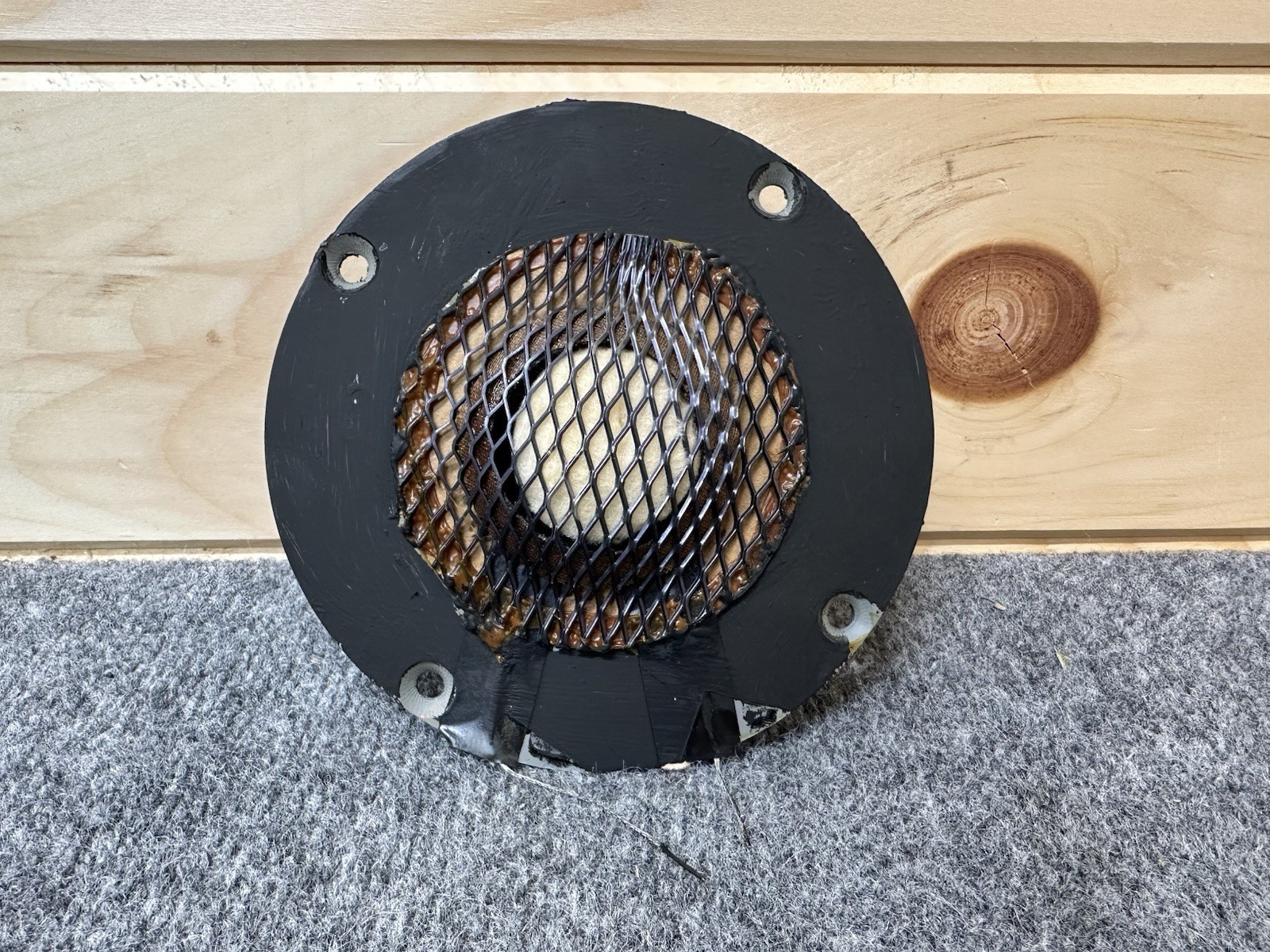
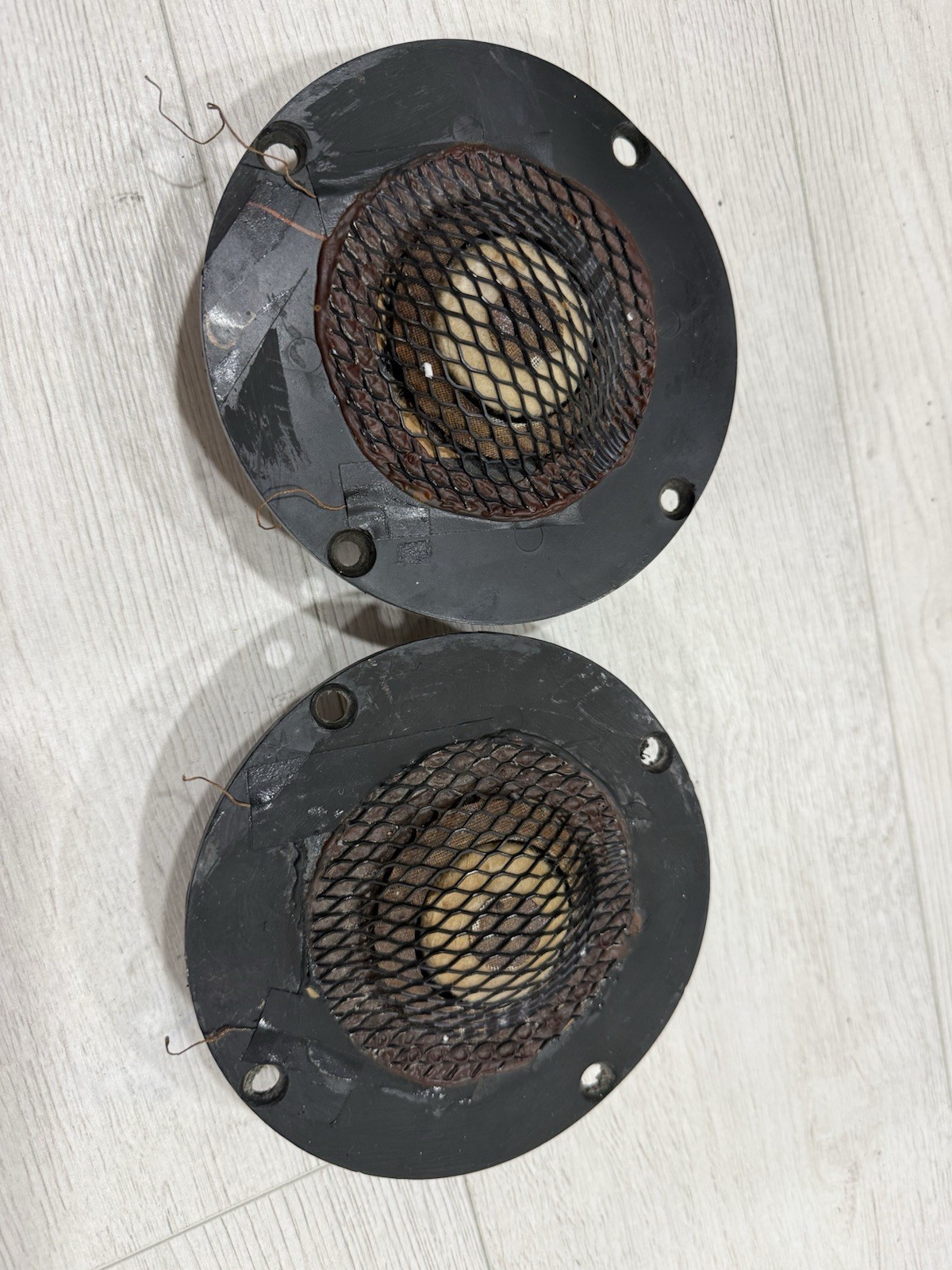
| High-Frequency Driver | 19 mm (0.75 in) hemispherical dome |
| Frequency Response | 30 Hz – 20 kHz |
| Impedance | 4 Ω |
| Minimum Amplifier Output | 25W RMS per channel |
| Crossover Frequencies | 575 Hz, 5 kHz |
| Level Controls | Adjustable midrange and tweeter levels (rheostats) |
| Dimensions (W×H×D) | 356 × 635 × 292 mm |
| Weight | 24 kg (52.9 lbs) per speaker |
| Finish | Walnut oil finish |
| Inputs | Single pair of rear-mounted binding posts with set screws |
Key Features
The Acoustic Suspension Legacy
At the heart of the AR-3a lies the innovation that made Acoustic Research a household name: the sealed, air-sprung woofer. While most speakers of the 1950s and 60s relied on ported designs that often bloated or smeared bass, AR’s acoustic suspension system used the compressibility of air inside a tightly sealed cabinet as a near-perfectly linear restoring force. That meant the 12-inch woofer could move with authority and precision, reproducing low frequencies down to 30 Hz without the flabby overhang or port noise that plagued bass-reflex designs. It wasn’t efficient—these speakers demand real amplifier headroom—but what they sacrificed in volume, they gained in control. Even today, that bass remains astonishingly clean and tight, especially for a speaker of its era. It doesn’t rumble the walls; it articulates the texture of a double bass’s bow on string.
Dome Drivers That Changed the Game
The switch from the AR-3’s larger dome units to the smaller 38mm midrange and 19mm tweeter in the 3a wasn’t just about size—it was about dispersion and coherence. Hemispherical dome drivers, first developed by Villchur and refined here by Roy Allison, offered wider, more even off-axis response than the cone tweeters and horns of the day. That meant you didn’t have to sit in a “sweet spot” to hear the full frequency range. The soundstage stayed consistent even when you moved around the room, which was revolutionary for home listening. Combined with the lowered crossover points, this gave the 3a a natural, open character that made recordings feel less “produced” and more like performances happening in real space. The tweeter, in particular, avoided the harshness that plagued many early dome designs, thanks to its material and loading.
Adjustable Tonality, Analog Style
One of the most distinctive—and divisive—features of the AR-3a is the pair of rheostat knobs on the rear panel, allowing independent adjustment of midrange and tweeter output. This wasn’t just a tone control; it was a way to tailor the speaker to room acoustics or personal taste before digital room correction existed. Turn the tweeter down a hair, and bright recordings lose their edge. Boost the midrange slightly, and vocals gain intimacy. But there’s a catch: those rheostats are wired in series with the signal path, meaning they don’t just attenuate—they interact with the crossover network. Done wrong, and you can unbalance the entire speaker. Done right, and you’ve got one of the earliest examples of user-tunable monitor speakers. It’s a feature that invites tinkering, and many owners report finding a “sweet spot” that makes the 3a sing in their specific room.
Historical Context
The AR-3a arrived at a turning point. By 1967, stereo was no longer a novelty—it was becoming standard in middle-class homes. But most speakers still leaned toward one of two extremes: boomy console units that prioritized bass impact, or thin, bright bookshelf models that lacked body. The AR-3a split the difference with science-backed neutrality, a philosophy that set it apart from competitors like JBL, KLH, and Advent. While others chased loudness or flash, AR stuck to Villchur’s original vision: measured performance, low distortion, and wide dispersion. The 3a wasn’t just a consumer product; it was a statement.
It also arrived as Acoustic Research was nearing its peak. By 1966, the company held over 32% of the U.S. loudspeaker market, a staggering figure for a high-end brand. The AR-3a sat at the top of a deep lineup that included the AR-4x and AR-5, but it was never just another model—it was the standard bearer. Even after AR introduced the AR-11 and AR-10π in 1975 as its new flagships, the 3a remained the benchmark. Its influence stretched beyond AR’s own products; the combination of acoustic suspension, dome midrange, and wide dispersion became a template for countless speakers that followed, from BBC monitors to modern high-end designs.
And then there’s the cultural moment. This was the era of quadraphonic sound, reel-to-reel tapes, and the rise of the audiophile as a consumer identity. The AR-3a wasn’t just heard in living rooms—it was seen. Ads featured Herbert von Karajan, lending it classical credibility. It appeared in hi-fi showrooms with glass cases and velvet ropes. It was the speaker you bought when you were serious, not just curious. That aura hasn’t faded. Even now, seeing a pair of 3a’s in a well-kept setup feels like stepping into a time capsule of golden-age audio.
Collectibility & Value
Today, the AR-3a trades in a narrow but passionate market. A fully restored pair in excellent condition can fetch $800–$1,500, depending on provenance, finish, and whether the foam surrounds and capacitors have been replaced. Unrestored units sell for $300–$600, but that’s a false economy—these speakers are nearly 50 years old, and time has not been kind to their perishable parts. The foam surrounds on the woofer and midrange driver degrade into dust over decades, and when they fail, the drivers lose alignment and can damage the voice coils. Re-foaming is standard practice, and a quality job runs $150–$250 per speaker. It’s not optional; it’s essential.
Even more critical is the crossover. Original units used wax-impregnated paper capacitors—relics of 1960s materials science that dry out, leak, and fail unpredictably. When they go, they can take the tweeter or midrange with them. A full recapping, using modern film capacitors and attention to the rheostat wiring, is strongly advised and typically costs $200–$300 for the pair. Some restorers go further, upgrading the binding posts, which are notoriously fiddly—tiny set screws that strip easily and don’t handle thick speaker wire well.
Buyers should also watch for cabinet damage. The walnut oil finish is beautiful but delicate, and many cabinets show wear on the top edges or baffle. Grille cloth is often missing or torn, though replacements are available. And while the 4-ohm impedance isn’t a dealbreaker, it means these speakers demand a robust amplifier—solid-state units from Dynaco, Marantz, or Harman Kardon of the era work well, but low-powered tube amps may struggle.
Despite the maintenance demands, the AR-3a remains a favorite among vintage audio enthusiasts because what it does, it does exceptionally well: reproduce music with clarity, balance, and a sense of space that few speakers of its time could match. It’s not the most dynamic, nor the loudest, but it’s among the most truthful. And for listeners who value that above all, the work of restoration isn’t a burden—it’s a labor of love.
eBay Listings

As an eBay Partner, we earn from qualifying purchases. This helps support our independent vintage technology research.