Altec Lansing Voice of the Theatre A6
The Altec Lansing Voice of the Theatre A6 is one of the most iconic professional loudspeaker systems ever produced. Designed in the early 1950s and manufactured through the 1970s, the A6 was a mainstay in movie theaters across the United States and beyond. Revered for its high efficiency, dynamic range, and powerful midrange clarity, this 2-way horn-loaded system became a benchmark in sound reinforcement and later influenced the development of high-fidelity home audio and studio monitor designs.
Despite its age, the A6 remains highly sought after by vintage audio enthusiasts, home theater aficionados, and professional restorers due to its robust construction, distinctive sound signature, and historical significance.
Specifications
| Feature | Specification |
| Model | Altec Lansing A6 (Voice of the Theatre) |
| Production Years | 1950s–1970s |
| Type | 2-way, passive, horn-loaded loudspeaker |
| Cabinet Design | Large bass reflex (vented) enclosure |
| Woofer | 15-inch (38 cm) low-frequency driver with horn-loaded midrange integration |
| Compression Driver | Altec 802 or 806 with multicell horn (high-frequency) |
| Crossover | Passive network (typically 1.2–1.6 kHz) |
| Impedance | 16 ohms |
| Power Handling | 50–100W RMS (dependent on amplifier compatibility) |
| Sensitivity | 100–103 dB (1W/1m) |
| Frequency Response | Approx. 50 Hz – 15 kHz (varies with room and placement) |
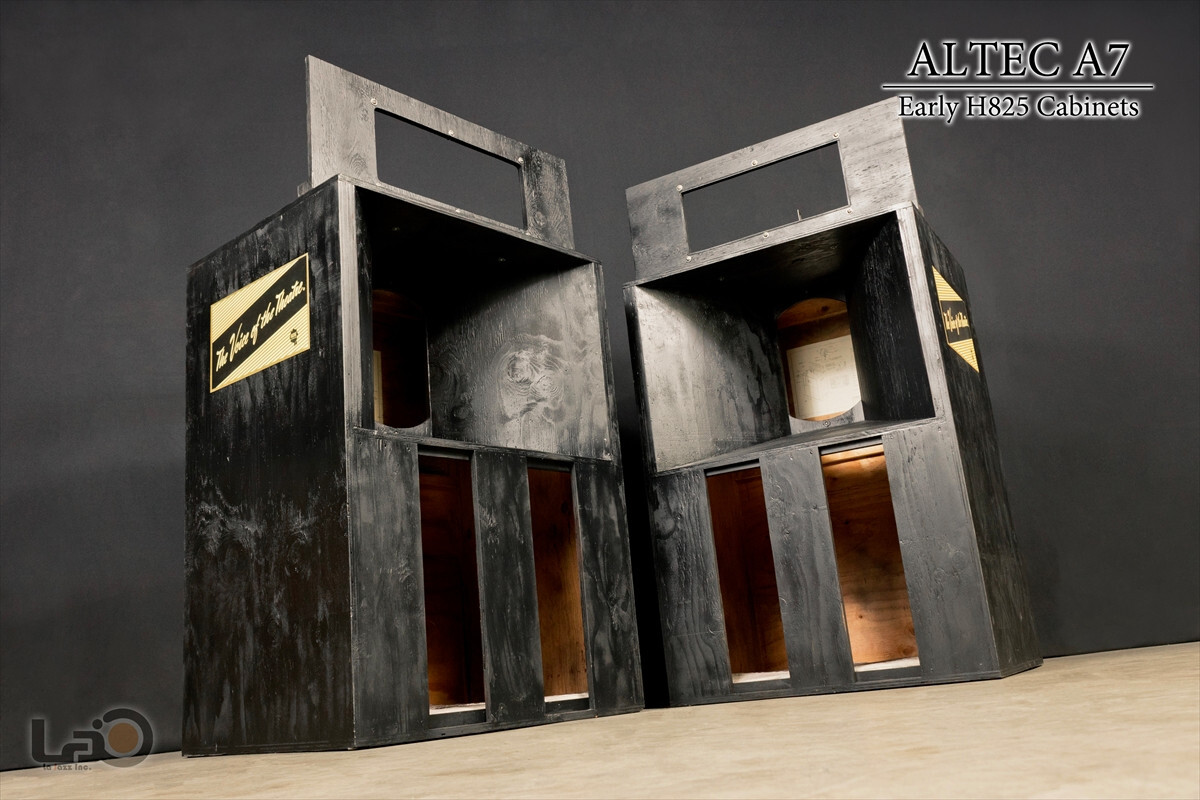
| Dimensions | Approximately 36" H × 20" W × 14" D (varies slightly by cabinet) |
| Weight | ~100 lbs (45 kg) per cabinet |
Historical Context
The Altec Lansing A6 was developed as part of the "Voice of the Theatre" series, a line of professional loudspeakers designed to meet the demanding audio requirements of cinema sound during the golden age of film. Drawing directly from Western Electric's pioneering horn technology, Altec (formed from the acquisition of Western Electric's engineering division) refined these designs for broader commercial use.
The A6 combined a 15-inch woofer with a powerful multicell horn and the legendary 802 or 806 compression driver, delivering high output with minimal amplifier power—critical in an era when high-wattage amplifiers were rare and expensive. Its ability to project clear, dynamic sound across large auditoriums made it the standard in movie theaters from the 1950s through the 1970s.
Beyond cinema, the A6 found its way into recording studios, live sound reinforcement, and eventually high-end home audio systems. Its influence can be heard in the design of modern high-efficiency speakers and studio monitors, particularly those emphasizing transient response and vocal clarity.
Sound Signature
The A6 delivers a powerful, dynamic, and highly efficient sound with a pronounced midrange presence—ideal for dialogue and vocal reproduction. The multicell horn provides exceptional dispersion and detail in the upper mids and highs, giving the speaker a "forward" and engaging character.
Bass response is strong down to around 50 Hz, but deep sub-bass extension is limited without proper room loading or augmentation. The speaker benefits greatly from strategic placement near walls or corners to enhance low-frequency output. When well-matched with appropriate amplification and room acoustics, the A6 offers a thrilling, lifelike listening experience—especially for jazz, vocals, and classic rock.
Maintenance and Restoration Tips
Due to their age, most surviving A6 systems require some degree of restoration to perform optimally. Here are key considerations:
1. Crossover Network
- The original capacitors often degrade over time and should be replaced with modern film capacitors of equivalent or higher quality.
- Check resistors and inductors for signs of overheating or corrosion.
2. Woofer Condition
- Many original woofers used foam or cloth surrounds that deteriorate with age.
- Re-coning or professional surround replacement is common and recommended for optimal performance.
3. Compression Driver (802/806)
- Inspect the diaphragm for tears or warping.
- The phasing plug and voice coil should be clean and free of debris.
- If damaged, drivers can often be rebuilt by specialists familiar with vintage Altec components.
4. Cabinet Integrity
- Check for wood rot, loose joints, or damage from moving.
- Ensure the port (bass reflex) is unobstructed and the internal bracing is secure.
5. General Care
- Use with tube amplifiers or low-feedback solid-state amps to complement the A6’s efficiency and tonal character.
- Avoid overdriving—despite high sensitivity, the drivers can be damaged by clipping or excessive high-frequency content.
Collectibility and Market Value
The Altec A6 ranks 8/10 in collectibility among vintage audio enthusiasts. Fully restored pairs in original condition command premium prices, especially those with matching serial numbers or rare finishes.
- Market Value: $800 – $2,500+ per pair, depending on condition, originality, and component quality.
- Restoration Cost: $300–$600 per speaker if professionally serviced.
Originality, correct drivers, and cabinet finish significantly affect value. Speakers with replaced or non-original drivers are less desirable to collectors.
Conclusion
The Altec Lansing Voice of the Theatre A6 stands as a monument to mid-century audio engineering. Its combination of efficiency, clarity, and cinematic power continues to captivate audiophiles and historians alike. Whether used in a vintage-inspired listening room or restored for historical preservation, the A6 remains a testament to the golden era of American loudspeaker design.
eBay Listings



As an eBay Partner, we earn from qualifying purchases. This helps support our independent vintage technology research.
Related Models
- Altec 1221A
- Altec 3000B
- Altec 600B
- Altec 603
- Altec A4X
- Akai AM-2850 (1975)
- Akai AP-206 (1975)
- Nakamichi BX-1 (1985)
- Acoustic Research research-ar-17 (1978)
- Acoustic Research AR-19 (1994)