Altec Lansing Voice of the Theatre A5
The Altec Lansing Voice of the Theatre A5 is one of the most iconic professional loudspeaker systems ever developed. Introduced in 1945, it was engineered to meet the demanding audio requirements of movie theaters during the golden age of cinema. Renowned for its high efficiency, powerful output, and robust construction, the A5 became the industry standard for sound reinforcement in theaters, concert halls, and early recording studios. Its influence extended far beyond cinema, shaping the design philosophy of professional audio systems for decades.
Specifications
| Parameter | Specification |
| Model | A5 |
| Manufacturer | Altec Lansing |
| Year Introduced | 1945 |
| Production Period | 1945–1970s |
| Type | Two-way, bass reflex |
| Crossover Frequency | 800 Hz |
| Tweeter | 288-8 Compression Driver with multicellular horn |
| Woofer | 15-inch 515B |
| Impedance | 16 ohms |
| Power Handling | 20–70W RMS per channel |
| Sensitivity | 100–105 dB (1W/1m) |
| Frequency Response | 45 Hz – 16 kHz (approximate) |
| Cabinet Type | Large bass reflex enclosure |
| Dimensions | Approx. 36" H × 18" W × 14" D |
| Weight | ~100 lbs per cabinet |
Historical Significance
The Altec A5 was developed in the immediate post-World War II era, a time when cinema was the dominant form of mass entertainment. With the rise of sound in film, there was a critical need for loudspeakers capable of filling large auditoriums with clear, dynamic audio. The A5 answered this need with its high sensitivity and powerful output, making it ideal for use with the vacuum tube amplifiers of the time.
The system combined the legendary 515B 15-inch woofer with the 288-8 high-frequency compression driver mounted on a multicellular horn, delivering exceptional clarity and projection. Its two-way design with a passive crossover at 800 Hz ensured balanced sound reproduction across the audible spectrum.
The A5 quickly became the standard in movie theaters across the United States and around the world. It was used in landmark venues and for the soundtracks of countless classic films. Its design influenced generations of professional loudspeakers and cemented Altec Lansing’s reputation as a leader in audio engineering.
Sound Signature
The A5 delivers a powerful, dynamic sound with a distinct "horn character." Its high efficiency allows it to produce high sound pressure levels with relatively low amplifier power. The multicellular horn provides excellent directivity control and crisp, articulate highs, while the 15-inch woofer offers deep, punchy bass for its era.
While not as detailed or neutral as modern high-fidelity speakers, the A5 excels in large spaces where impact and clarity are paramount. Its midrange is clear and present, making it ideal for voice reproduction—critical for dialogue in film. Audiophiles and vintage sound enthusiasts often praise the A5 for its "live" and engaging presentation, especially with jazz, rock, and orchestral music.
Maintenance and Restoration Tips
Due to their age, most surviving A5 systems require restoration to perform safely and optimally. Common issues include:
- Crossover Capacitors: Original paper and electrolytic capacitors degrade over time. Replace with modern film capacitors for improved reliability and sound quality.
- Woofer Surrounds: The foam or cloth surrounds on the 515B woofer often deteriorate. Re-foaming or full reconing by a specialist is recommended.
- Horn Driver Diaphragms: The aluminum diaphragm in the 288-8 driver can fatigue or corrode. Inspect for tears or distortion; replacement or repair may be necessary.
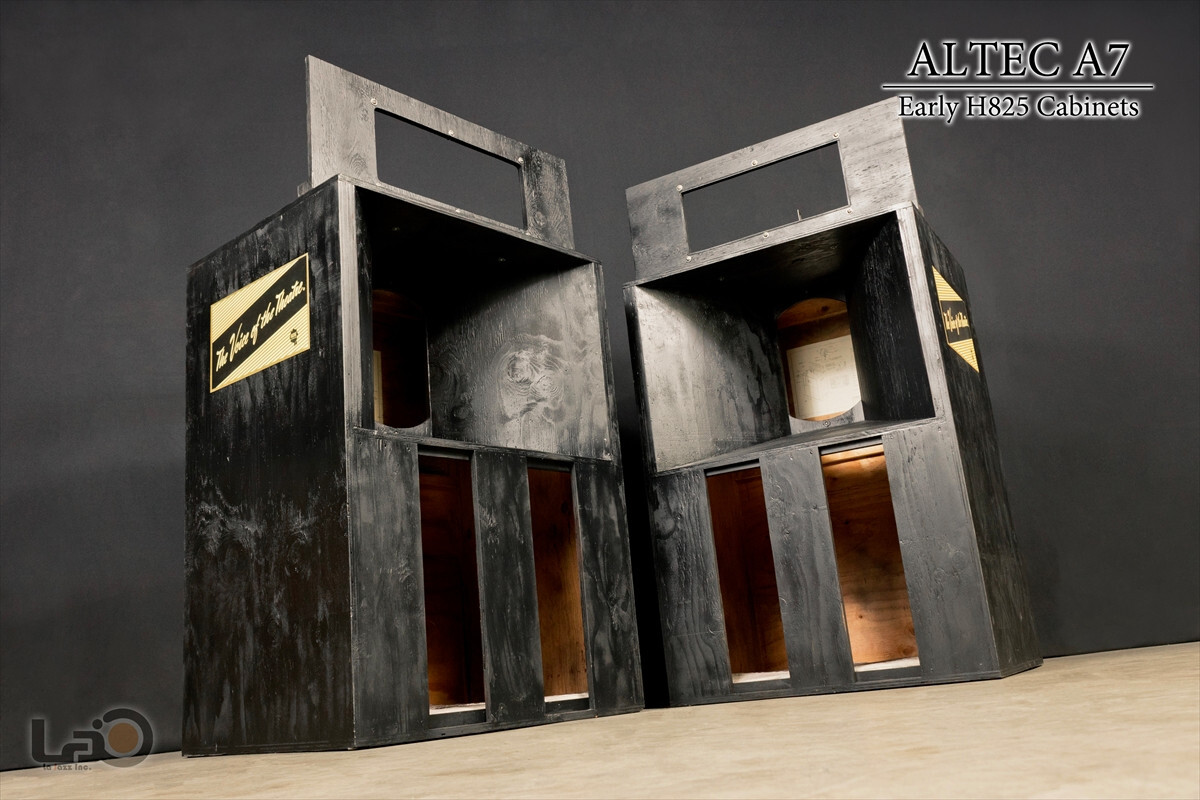
- Cabinets: Check for wood rot, veneer damage, or structural weakness. Original finishes should be preserved when possible for collectibility.
- Grilles and Hardware: Original grilles, logos, and mounting hardware are valuable. Reproduction parts are available, but originality increases resale value.
When restoring an A5, many enthusiasts choose to preserve its vintage character while upgrading critical components for reliability. Properly restored pairs are not only functional but also prized as audio artifacts.
Collectibility and Market Value
The Altec A5 is highly collectible, earning a 9/10 on the collectibility scale. Its historical importance, iconic status, and continued use in vintage audio and professional restoration projects drive strong demand.
- Market Value: $2,000–$6,000+ per pair, depending on condition, originality, and provenance.
- Factors Affecting Value: Original drivers, factory labels, matching serial numbers, and complete crossovers significantly increase value.
- Rarity: While produced for decades, fully original and unrestored units in good condition are increasingly rare.
Conclusion
The Altec Lansing Voice of the Theatre A5 stands as a landmark achievement in audio engineering. More than just a speaker, it represents a pivotal moment in the history of sound reproduction. Its combination of innovation, performance, and durability ensured its dominance in professional audio for over two decades. Today, it remains a sought-after classic—valued by collectors, restorers, and audiophiles who appreciate the power and character of vintage horn-loaded design.
eBay Listings



As an eBay Partner, we earn from qualifying purchases. This helps support our independent vintage technology research.
Related Models
- Altec 1221A
- Altec 3000B
- Altec 600B
- Altec 603
- Altec A4X
- Akai AM-2850 (1975)
- Akai AP-206 (1975)
- Nakamichi BX-1 (1985)
- Acoustic Research research-ar-17 (1978)
- Acoustic Research AR-19 (1994)