Altec Lansing Model 15 (1978)
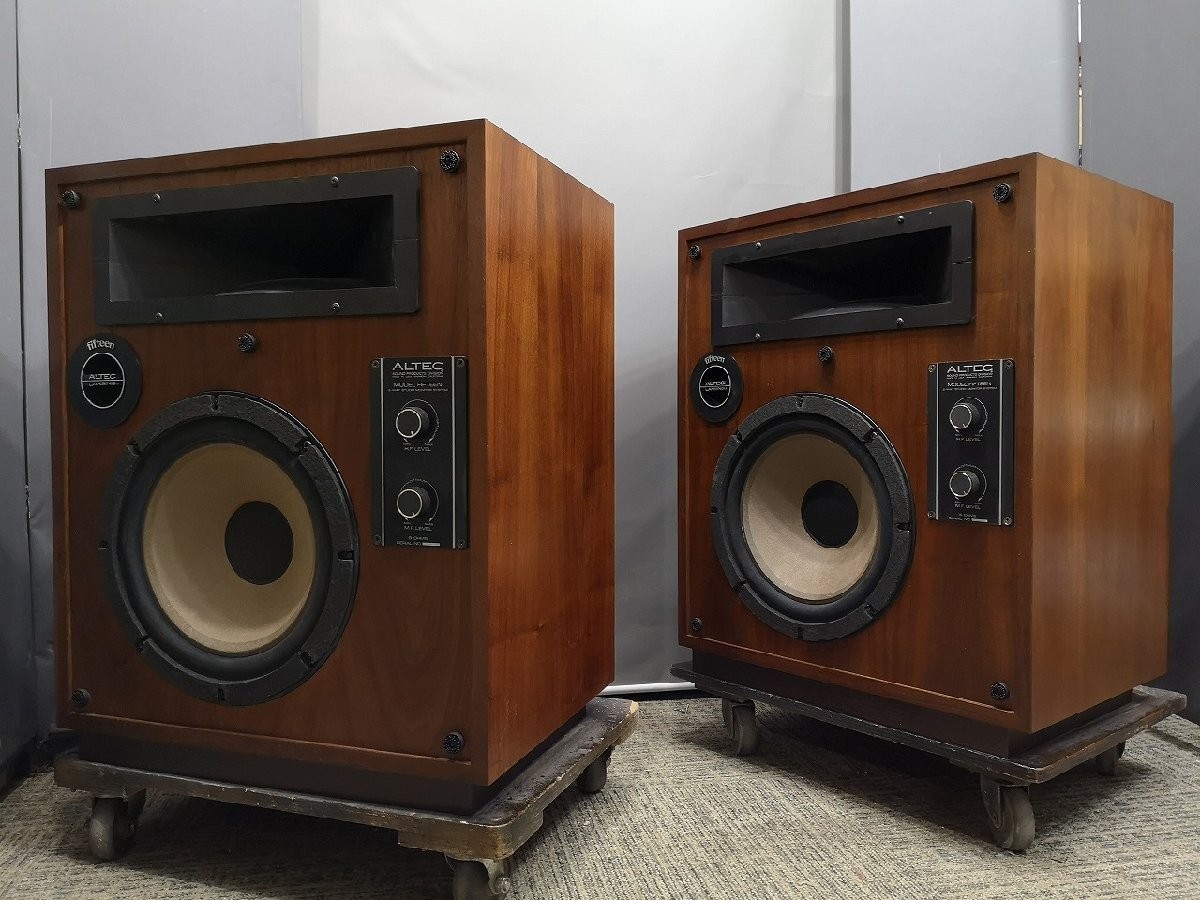
The Altec Lansing Model 15 is a classic two-way loudspeaker system introduced in 1978 as part of Altec’s renowned "Santana" series. Designed to bring professional audio performance into the home hi-fi environment, the Model 15 exemplifies the golden era of American speaker engineering. With its powerful 15-inch woofer and legendary 811B horn loaded with the 806A compression driver, this speaker delivers dynamic, warm, and highly efficient sound reproduction. Highly regarded for its studio-monitor pedigree and home-friendly aesthetics, the Model 15 remains a sought-after vintage speaker among audiophiles and collectors.
Specifications
| Feature | Specification |
| Model Name | Lansing Model 15 |
| Brand | Altec |
| Production Years | 1978–1983 |
| Configuration | 2-way, passive crossover |
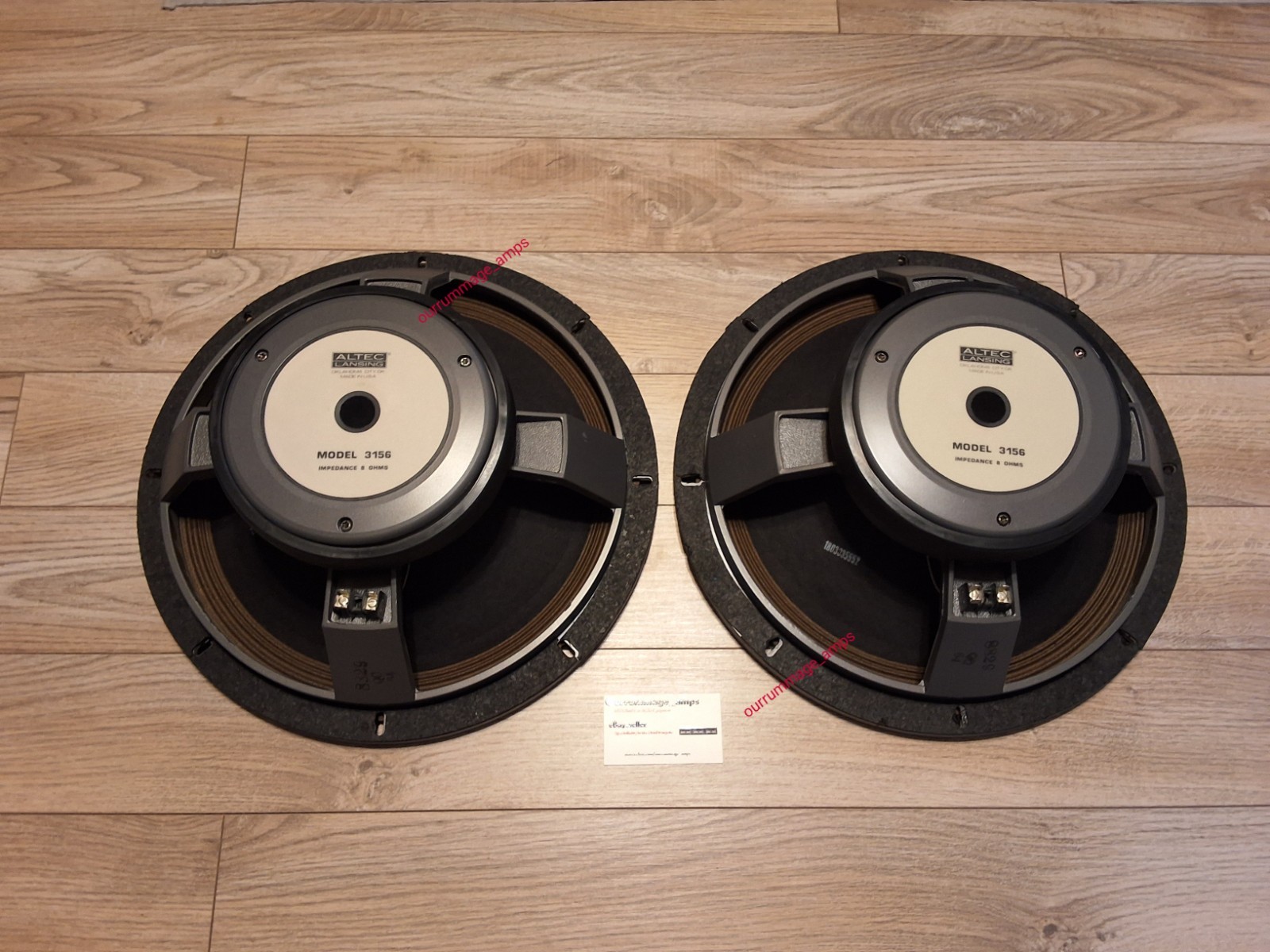
| Woofer | 15-inch paper cone with foam surround |
| Compression Driver | Altec 806A on 811B exponential horn |
| Crossover Frequency | ~1.4 kHz |
| Impedance | 8 ohms (nominal) |
| Sensitivity | 96 dB (1W/1m) |
| Power Handling | 100W RMS (2-channel stereo) |
| Frequency Response | 45 Hz – 16 kHz (±3 dB) |
| Enclosure Type | Front-ported bass reflex, walnut veneer cabinet |
| Dimensions (H×W×D) | 32" × 14.5" × 16" (81.3 × 36.8 × 40.6 cm) |
| Weight | 68 lbs (30.8 kg) per cabinet |
Historical Context
The Altec Lansing Model 15 was developed during a transitional period in audio history when the lines between professional studio monitors and high-fidelity home speakers began to blur. As part of the Santana series—which also included the Model 12 and Model 17—the Model 15 was engineered to offer the sonic accuracy and output capability of Altec’s famed theater and broadcast monitors in a form factor suitable for domestic use.
Drawing directly from Altec’s professional heritage, the Model 15 features the 811B constant-directivity horn and the 806A titanium diaphragm compression driver—components widely used in recording studios and cinemas. The 15-inch low-frequency driver, coupled with a front-firing bass reflex port, provided deep, articulate bass uncommon in many home speakers of the era.
This fusion of pro-audio DNA with elegant walnut cabinetry and refined voicing made the Model 15 a favorite among serious listeners who desired both performance and presence in their listening rooms. Its legacy endures as a benchmark for high-sensitivity, horn-loaded loudspeakers in vintage audio circles.
Sound Signature
The Model 15 is celebrated for its warm, dynamic, and highly efficient sound. With a sensitivity of 96 dB, it can produce high sound pressure levels with relatively low amplifier power, making it ideal for use with tube amplifiers and low-wattage SET designs.
- Midrange: Rich and forward, with exceptional clarity and presence—ideal for vocals and acoustic instruments.
- Highs: Smooth and detailed, thanks to the 806A driver’s controlled dispersion and low distortion.
- Bass: Tight and impactful for a ported 15-inch design, with good extension down to 45 Hz.
- Overall Character: Musically engaging with a lively, open presentation that remains balanced across genres.
Maintenance and Restoration Tips
Due to their age, many Altec Lansing Model 15 speakers require some degree of maintenance to restore optimal performance. Here are common issues and recommended care:
1. Woofer Foam Surrounds
- The original foam surrounds on the 15-inch woofers are prone to drying, cracking, and disintegration after 30+ years.
- Solution: Re-foam kits are widely available. Professional reconing or DIY refoaming is strongly recommended to restore bass response and prevent damage to the voice coil.
2. Crossover Components
- The passive crossover uses paper and electrolytic capacitors that may degrade over time, leading to muffled highs or imbalance.
- Solution: Recapping the crossover with modern film capacitors improves reliability and sonic clarity. Match original values and voltage ratings.
3. Compression Driver (806A)
- The 806A driver is robust but can fail if overdriven or exposed to DC offset.
- Inspect the phase plug and diaphragm for tears or warping.
- Tip: Avoid clipping and use a high-pass filter if pairing with high-power amplifiers.
4. Cabinet and Grille
- The walnut veneer is durable but may show wear. Clean with a wood-safe polish; avoid silicone-based products.
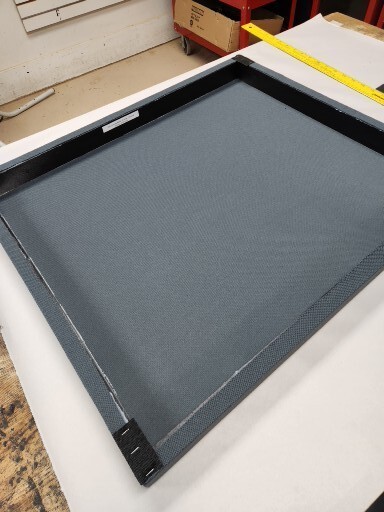
- Original grilles often have frayed cloth—replacement speaker grille fabric can be stretched and stapled for a refreshed look.
5. General Advice
- Bi-wiring is possible but not required. Use heavy-gauge speaker cable with secure connections.
- Place on sturdy stands or shelves with adequate rear clearance for the bass reflex port.
- Break in restored drivers with low-level playback over 24–48 hours.
Collectibility and Market Value
The Altec Lansing Model 15 holds a collectibility rating of 7/10, appealing to vintage audio enthusiasts, horn speaker aficionados, and fans of American-made hi-fi gear. Fully restored pairs in original condition command premium prices.
- Market Value: $800 – $1,500 per pair, depending on condition, originality, and restoration quality.
- High-Value Traits: Original drivers, unmodified crossovers, clean cabinets, and provenance (e.g., studio use history).
While not as rare as some boutique vintage speakers, the Model 15’s blend of performance, heritage, and iconic design ensures lasting demand in the secondary market.
Conclusion
The Altec Lansing Model 15 stands as a testament to American audio engineering at its peak. Bridging the gap between professional monitoring and home fidelity, it delivers a thrilling, high-efficiency listening experience that remains competitive even by modern standards. With proper care and restoration, the Model 15 can continue to provide decades of musical enjoyment—making it a worthy centerpiece for any vintage audio collection.
eBay Listings

As an eBay Partner, we earn from qualifying purchases. This helps support our independent vintage technology research.
Related Models
- Altec 1221A
- Altec 3000B
- Altec 600B
- Altec 603
- Altec A4X
- Akai AM-2850 (1975)
- Akai AP-206 (1975)
- Nakamichi BX-1 (1985)
- Acoustic Research research-ar-17 (1978)
- Acoustic Research AR-19 (1994)