Altec Lansing Model 14 (1977)
The Altec Lansing Model 14 is a classic 3-way floorstanding loudspeaker introduced in 1977 as part of Altec’s consumer-oriented Voice of the Home series. Designed to bring professional-grade sound reproduction into domestic environments, the Model 14 combines Altec’s legendary studio monitor heritage with refined aesthetics and high sensitivity. With its horn-loaded compression driver and robust 15-inch woofer, this speaker delivers dynamic, impactful sound and remains a favorite among vintage audio enthusiasts and collectors.
Key Specifications
| Feature | Specification |
| Production Years | 1977–1983 |
| Configuration | 3-way, bass-reflex (vented) |
| Woofer | 15-inch paper cone with foam surround |
| Midrange | 2-inch compression driver with multicell horn |
| Tweeter | 1-inch phenolic ring radiator |
| Crossover Points | 800 Hz (woofer to midrange), 8 kHz (midrange to tweeter) |
| Power Handling | 100W RMS (2-channel stereo) |
| Nominal Impedance | 8 ohms |
| Sensitivity | 94 dB (1W/1m) |
| Frequency Response | 45 Hz – 18 kHz (±3 dB) |
| Cabinet Finish | Walnut veneer |
| Dimensions (H×W×D) | 38" × 14" × 16" (96.5 × 35.5 × 40.6 cm) |
| Weight | 78 lbs (35.4 kg) per cabinet |
Historical Context
The Altec Lansing Model 14 was developed during a transitional period for the company, as Altec sought to leverage its reputation in professional audio—particularly its iconic Voice of the Theatre cinema speakers—for the growing high-fidelity home audio market. The Voice of the Home series, launched in the mid-1970s, aimed to deliver studio-monitor accuracy with domestic refinement.
The Model 14 stood out with its professional-grade multicell horn and high-efficiency design, allowing it to produce high sound pressure levels with relatively low amplifier power. This made it especially compatible with tube amplifiers and early solid-state receivers popular at the time. Its 15-inch woofer provided deep, punchy bass, while the horn-loaded midrange offered exceptional clarity and presence—hallmarks of Altec’s sonic signature.
Though not as widely produced as some contemporaries from JBL or Klipsch, the Model 14 gained a loyal following for its robust build quality, striking appearance, and lively, engaging sound. It remains a respected representative of American high-efficiency speaker design from the late 1970s.
Sound Signature
The Model 14 delivers a dynamic and expressive sound profile characterized by:
- Forward, detailed midrange – thanks to the multicell horn, vocals and instruments are rendered with lifelike presence.
- Clear, extended highs – the phenolic ring radiator tweeter provides crisp articulation without harshness.
- Punchy, fast bass – the large 15-inch woofer offers surprising low-end impact for its era.
- High efficiency – at 94 dB sensitivity, the speakers respond well to low-power amplifiers and maintain clarity at high volumes.
The overall tonal balance is slightly colored, with a characteristic "horn sound" that emphasizes midrange energy. This makes the Model 14 particularly well-suited for rock, jazz, and vocal-centric music, though some listeners may find the presentation less neutral compared to modern monitors.
Maintenance and Restoration Tips
Due to their age, many Altec Lansing Model 14 speakers require maintenance to restore optimal performance. Common issues and recommended actions include:
1. Woofer Foam Surrounds
- Issue: Original foam surrounds often degrade after 40+ years, leading to flaking, loss of flexibility, and distorted bass.
- Solution: Re-foam kits are widely available. Re-coning or full restoration by a specialist is recommended for best results.
2. Crossover Components
- Issue: Electrolytic capacitors in the crossover network can dry out, altering frequency response and potentially damaging drivers.
- Solution: Replace aging capacitors with modern film or low-ESR types. Consider having the entire crossover inspected and refreshed.
3. Compression Driver Diaphragms
- Issue: The 2-inch titanium diaphragm in the midrange driver can be damaged by overdriving or physical impact.
- Solution: If the driver "rattles" or sounds distorted, inspect the diaphragm. Replacement or professional repair may be necessary.
4. Cabinet and Grille
- Issue: Walnut veneer may show wear; original grilles often have torn fabric.
- Solution: Clean veneer with wood-safe polish; re-veneer or refinish if needed. Replace grille cloth with acoustically transparent fabric matching the original weave.
5. General Recommendations
- Use a break-in period after restoration (20–50 hours of moderate playback).
- Avoid prolonged high-volume operation until drivers are fully conditioned.
- Pair with amplifiers offering good current delivery and damping factor for optimal bass control.
Collectibility and Market Value
The Altec Lansing Model 14 holds a collectibility rating of 7/10, appealing to vintage audio enthusiasts, horn speaker aficionados, and restorers. Its combination of professional DNA, striking design, and high efficiency ensures continued demand.
As of 2024, a pair of Model 14s in good original condition typically sells for $800–$1,500, with prices increasing for fully restored units or those with verified original components. Speakers in rare finishes or with provenance (e.g., studio use) may command premiums.
Conclusion
The Altec Lansing Model 14 is more than just a vintage speaker—it’s a piece of audio history that bridges the gap between professional sound reinforcement and high-fidelity home listening. With its commanding presence, energetic sound, and rugged construction, it remains a compelling choice for those who appreciate the bold character of American horn loudspeakers. With proper care and restoration, the Model 14 can continue to deliver thrilling performance for decades to come.
eBay Listings


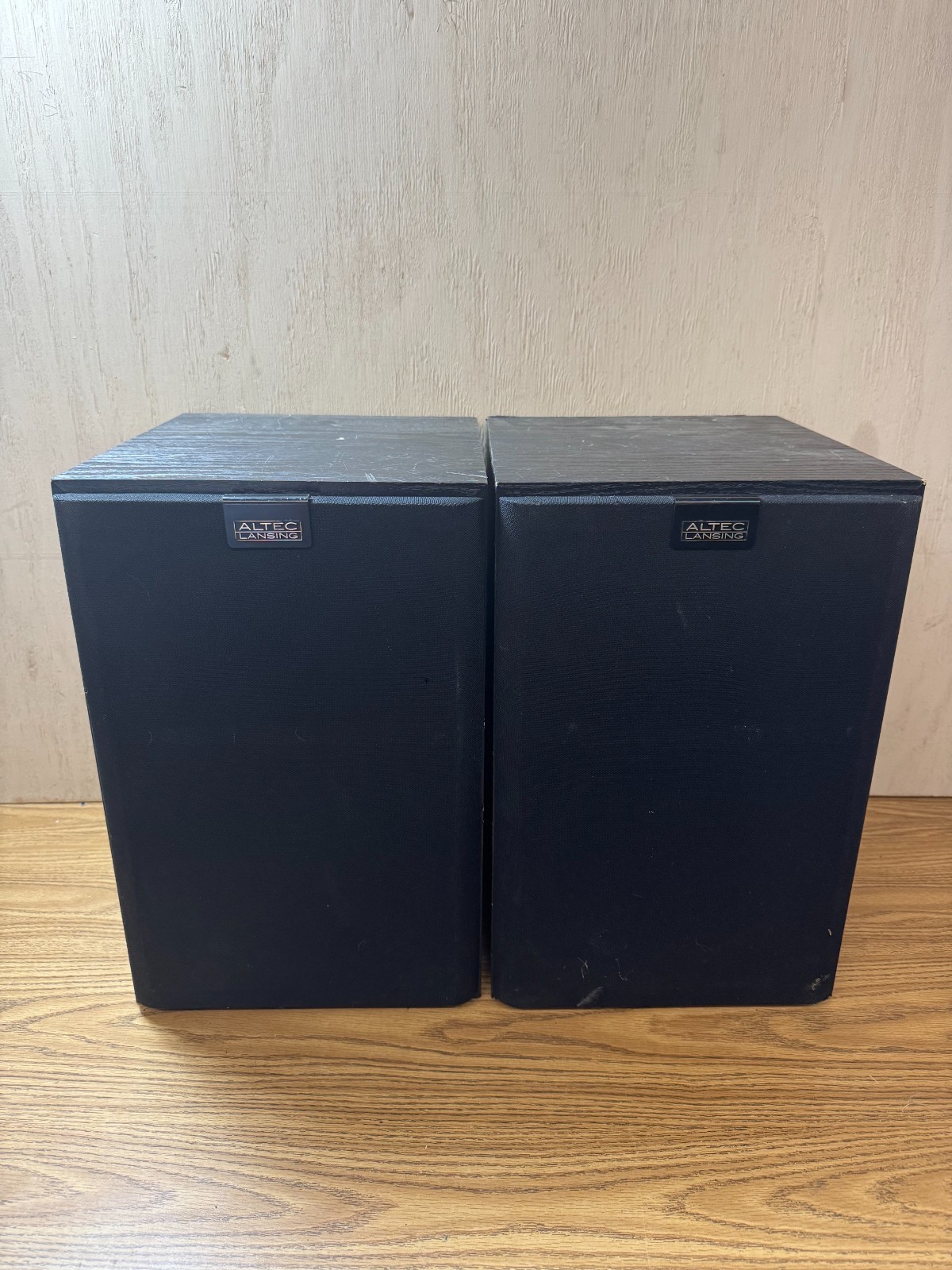
As an eBay Partner, we earn from qualifying purchases. This helps support our independent vintage technology research.
Related Models
- Altec 1221A
- Altec 3000B
- Altec 600B
- Altec 603
- Altec A4X
- Akai AM-2850 (1975)
- Akai AP-206 (1975)
- Nakamichi BX-1 (1985)
- Acoustic Research research-ar-17 (1978)
- Acoustic Research AR-19 (1994)