Altec Lansing Iconic Series Loudspeakers (1944–1970s)
The Altec Lansing Iconic series represents a golden era in professional audio engineering. Introduced in 1944, these high-efficiency loudspeakers were designed for demanding applications in movie theaters, broadcast studios, and public address systems. Known for their powerful sound, robust construction, and innovative horn-loaded designs, Altec Lansing speakers—particularly models like the legendary A7 "Voice of the Theatre"—became industry standards and remain highly sought after by audiophiles and vintage audio collectors.
Key Specifications
| Specification | Details |
| Years of Production | 1944–1970s |
| Power Handling | 15–30W (e.g., A7: 30W program power) |
| Impedance | 16 ohms (common across models) |
| Sensitivity | ~104–106 dB (e.g., A7: 104 dB @ 1W/1m) |
| Driver Configuration | Horn-loaded compression driver + low-frequency horn or bass reflex |
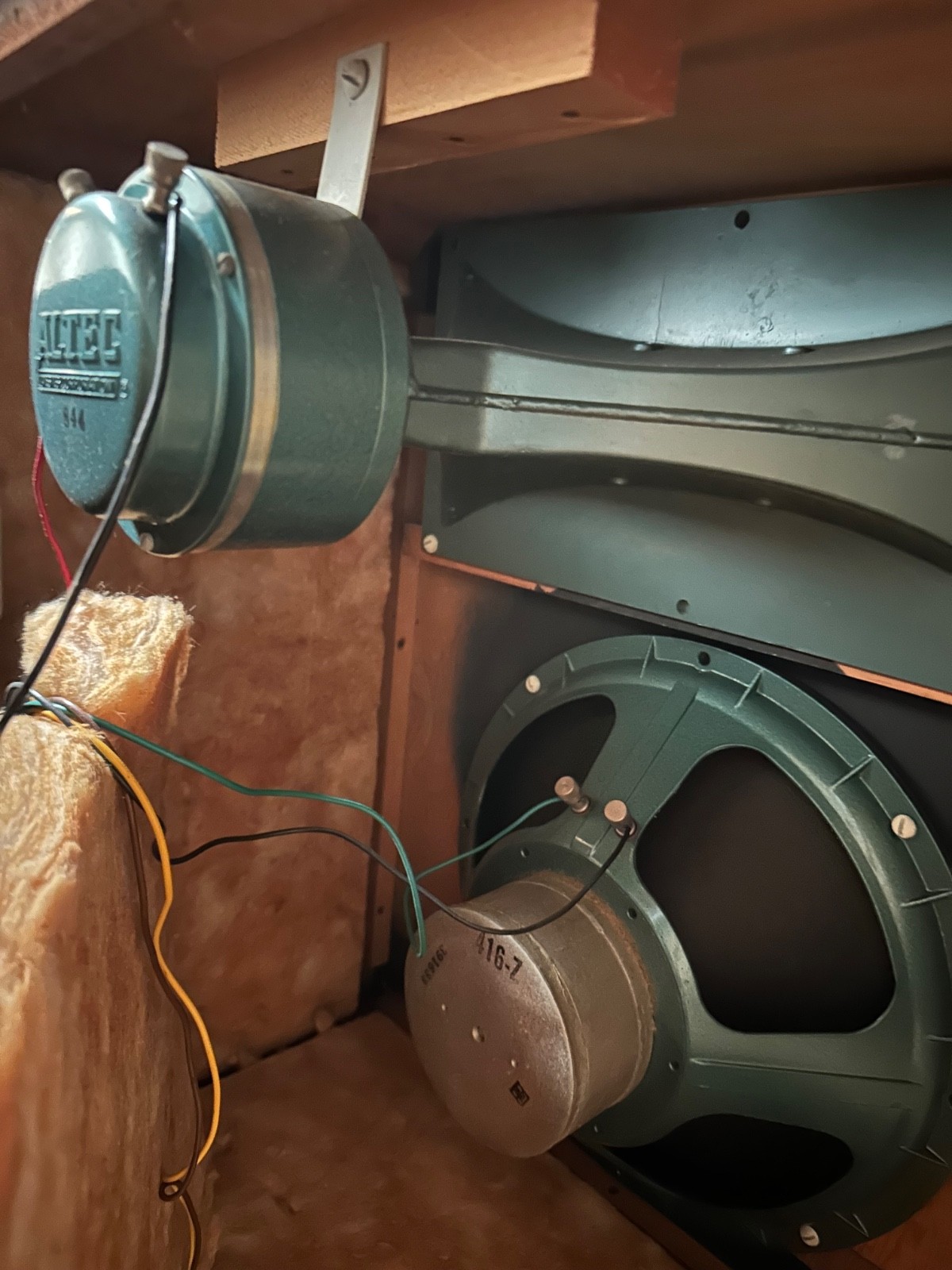
| Compression Driver | Altec 288 or 290 series (large format, high-efficiency) |
| Horn Design | Multicellular high-frequency horn |
| Enclosure Type | Folded horn or bass reflex (varies by model) |
| Frequency Response | Model-dependent; typically 60 Hz – 16 kHz (A7) |
| Dimensions & Weight | Large and heavy; cabinet sizes vary (e.g., A7: ~28" H x 18" W x 14" D, ~75 lbs) |
Historical Significance
Altec Lansing emerged from the merger of Altec Services Corporation and Lansing Manufacturing Company in 1941. The release of the 604 Duplex in 1944 marked the beginning of a legacy, but it was the A7 "Voice of the Theatre" (introduced in 1947) that solidified Altec’s reputation in professional audio. Designed for cinema sound reinforcement, the A7 combined a 15-inch folded bass horn with a multicellular high-frequency horn and a 288 compression driver.
These speakers were engineered for maximum efficiency and dynamic range, allowing them to deliver high sound pressure levels with relatively low amplifier power—critical in the tube amplifier era. Their use in recording studios, radio stations, and live sound applications made them a benchmark for audio fidelity and durability. The design principles pioneered by Altec influenced generations of professional and high-end consumer speakers.
Sound Signature
Altec Lansing Iconic speakers are known for their dynamic, forward, and highly articulate sound. The horn-loaded design delivers exceptional clarity and projection, especially in the midrange and treble. Key characteristics include:
- Midrange: Punchy, immediate, and highly detailed—ideal for vocals and instruments.
- Highs: Bright and energetic due to the multicellular horn; can be aggressive if paired with bright electronics or in reflective rooms.
- Bass: Deep and powerful in larger models (e.g., A7), with a natural, horn-loaded character that emphasizes speed over sub-bass extension.
- Overall: Engaging and theatrical—perfect for classic jazz, rock, and vocal recordings.
These speakers thrive with tube amplifiers and low-damping solid-state gear that can control the bass without dulling the dynamics.
Maintenance and Restoration Tips
Due to their age, most Altec Lansing Iconic speakers require some level of restoration to perform optimally:
- Crossover Components: Replace aging capacitors and resistors in the passive crossover. Original paper capacitors often degrade and should be upgraded to modern film types.
- Foam Surrounds: Many models use foam or treated cloth surrounds on woofers that deteriorate over time. Re-foaming or full reconing is often necessary.
- Horn Throat Corrosion: Inspect the compression driver’s horn throat for oxidation or corrosion. Clean gently or consider re-diaphragming if output is weak or distorted.
- Grilles and Cabinets: Check for rot, warping, or insect damage. Refinishing or professional cabinet repair may be needed.
- Wiring: Replace brittle or corroded internal wiring with modern high-quality speaker wire.
Many vintage audio specialists offer full restoration services, and replacement parts (drivers, horns, crossovers) are available through dedicated suppliers and enthusiast communities.
Collectibility and Market Value
Altec Lansing Iconic models are highly collectible, earning an 8/10 on the collectibility scale. Factors influencing value include:
- Model rarity (e.g., A7, 604, 802)
- Originality (matching numbers, factory finish)
- Condition and restoration quality
- Provenance (studio or theater history)
Market Value Range: $500 – $3,000+ per pair, with fully restored A7s often commanding $2,000–$3,000.
Conclusion
The Altec Lansing Iconic series stands as a monument to mid-20th-century audio innovation. Combining engineering excellence with raw sonic power, these speakers continue to captivate listeners and collectors alike. Whether used in a vintage hi-fi setup or restored as a centerpiece of audio history, they remain a testament to the enduring appeal of high-efficiency horn loudspeaker design.
eBay Listings


As an eBay Partner, we earn from qualifying purchases. This helps support our independent vintage technology research.
Related Models
- Altec 1221A
- Altec 3000B
- Altec 600B
- Altec 603
- Altec A4X
- Akai AM-2850 (1975)
- Akai AP-206 (1975)
- Nakamichi BX-1 (1985)
- Acoustic Research research-ar-17 (1978)
- Acoustic Research AR-19 (1994)