Altec Lansing-Crescendo (1964)
The Altec Lansing-Crescendo is a classic high-fidelity loudspeaker system introduced in 1964 as part of Altec Lansing's consumer audio line. Designed to bring professional-grade sound into the home, the Crescendo leverages Altec’s renowned "Voice of the Theatre" engineering legacy, making it a sought-after vintage speaker among audiophiles and collectors.
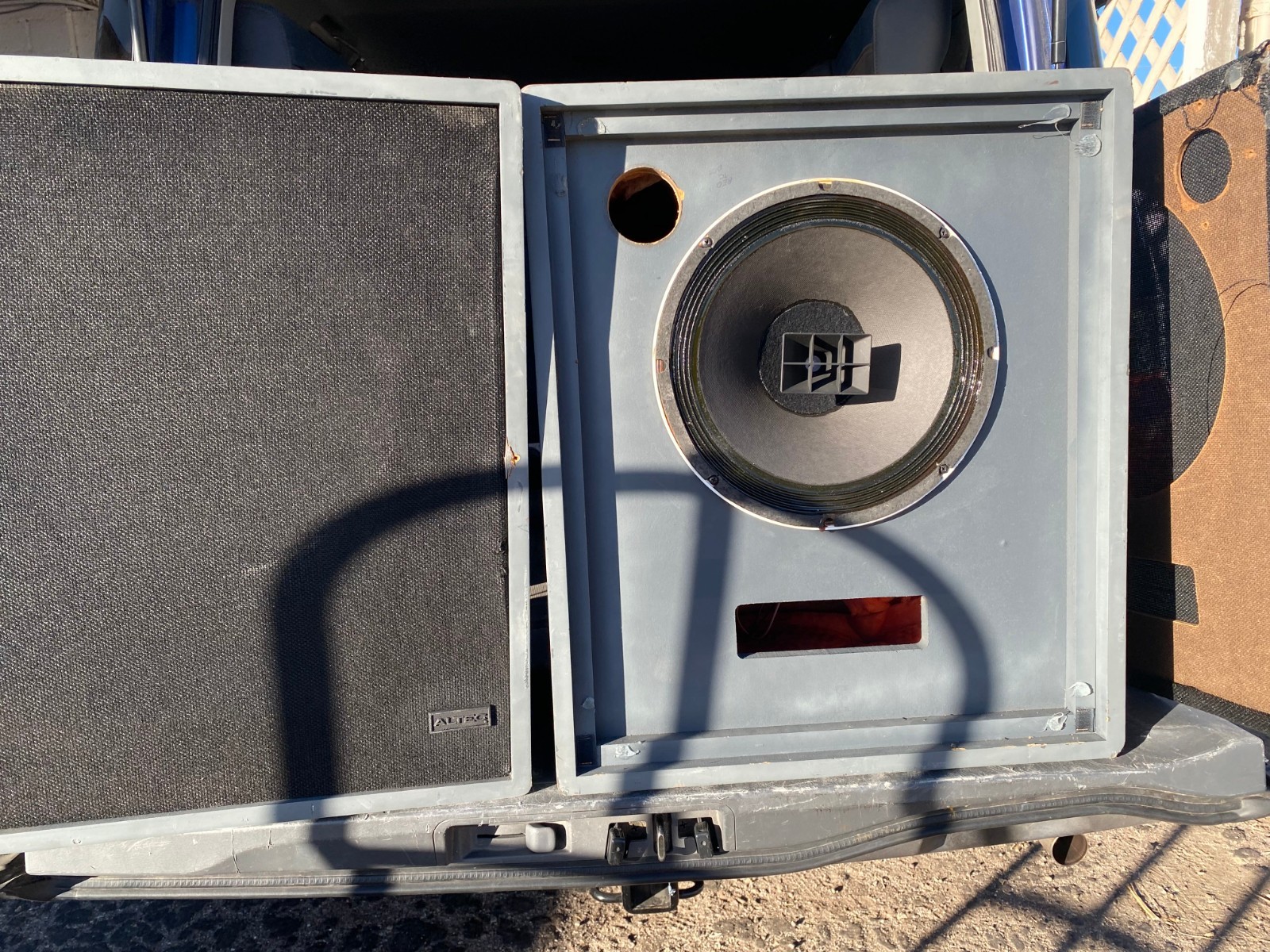
With its powerful 15-inch woofer, horn-loaded compression driver, and multicellular horn tweeter, the Lansing-Crescendo delivers dynamic, efficient sound reproduction with strong bass and articulate midrange clarity. Built during the golden era of analog audio, this speaker remains a testament to 1960s high-fidelity design and pro-audio innovation.
Specifications
| Feature | Specification |
| Production Years | 1964–1968 |
| Configuration | 3-way, bass reflex cabinet |
| Drivers | 15-inch woofer, horn-loaded midrange driver, multicellular horn tweeter |
| Power Handling | 50–75W RMS (per channel) |
| Impedance | 8 ohms |
| Sensitivity | 97 dB (1W/1m) |
| Frequency Response | 40 Hz – 18 kHz (approximate) |
| Crossover Network | Passive, internal (first-order slopes) |
| Enclosure Type | Large bass reflex with flared port |
| Dimensions (H×W×D) | 36" × 15" × 18" (approximate) |
| Weight | 75 lbs per cabinet |
| Finish Options | Walnut or rosewood veneer |
Historical Context
The Altec Lansing-Crescendo emerged during a pivotal time in audio history—the mid-1960s—when high-fidelity home audio systems were gaining popularity among enthusiasts. Altec Lansing, already celebrated for its professional cinema and studio monitor speakers like the A-7 and 604 series, sought to translate that success into the consumer market.
The Crescendo was directly inspired by Altec’s "Voice of the Theatre" design philosophy, known for its high efficiency, dynamic range, and durability in demanding environments. By adapting these pro-audio principles for home use, Altec offered consumers a rare opportunity to experience theater-quality sound in their living rooms.
Unlike many consumer speakers of the era, the Crescendo used a full horn-loaded design for both midrange and high frequencies, contributing to its high sensitivity and dynamic punch. Its 15-inch woofer provided deep bass response, enhanced by a large bass reflex cabinet—a sophisticated design choice for the time.
Though production ended in 1968, the Lansing-Crescendo remains a respected icon of 1960s audio engineering, symbolizing the convergence of professional performance and domestic listening.
Sound Signature
The Altec Lansing-Crescendo is known for its high efficiency and lively, dynamic presentation. With a sensitivity of 97 dB, it performs exceptionally well with low-powered tube amplifiers, making it a favorite among vintage amp enthusiasts.
- Midrange: Clear, detailed, and slightly forward—typical of horn-loaded designs—ideal for vocals and acoustic instruments.
- Treble: Bright and articulate due to the multicellular horn tweeter; can be perceived as aggressive in reflective rooms or with aged components.
- Bass: Deep and punchy for its era, with the 15-inch woofer and bass reflex tuning delivering strong low-end response.
- Imaging: Good stereo separation, though the large cabinets require careful placement for optimal soundstage.
Due to variations in aging components and room acoustics, the sound can range from warm and balanced to bright and forward. Proper setup and maintenance are key to achieving the best performance.
Maintenance and Restoration Tips
Like all vintage audio equipment, the Altec Lansing-Crescendo requires attention to age-related wear. Proper care can restore its performance and preserve its value.
Common Issues and Solutions
- Crossover Capacitors: Aging capacitors can degrade, causing muffled highs or distorted mids. Replacing with modern film capacitors improves clarity and reliability.
- Woofer Surrounds: Original foam or treated cloth surrounds often deteriorate. Re-foaming or full reconing by a specialist restores bass response.
- Horn Diaphragms: Check for tears or stiffness in the compression driver and tweeter diaphragms. Replacement or repair may be necessary.
- Terminals and Wiring: Clean binding posts and inspect internal wiring for brittleness or corrosion.
- Cabinet Care: Refinish or re-veneer if damaged. Avoid direct sunlight to prevent veneer warping.
Recommended Practices
- Use a protective grill to prevent dust and physical damage to the horn.
- Place on sturdy, isolated speaker stands or pads to reduce vibration.
- Break in restored drivers gradually with low-level playback.
- Pair with tube amplifiers (15–50W) for optimal synergy.
Collectibility and Market Value
The Altec Lansing-Crescendo holds a collectibility rating of 7/10, appealing to vintage audio collectors, horn speaker enthusiasts, and restorers. Its professional lineage and striking appearance contribute to its enduring appeal.
- Market Value: $800–$1,500 per pair, depending on condition, originality, and restoration quality.
- High-Value Traits: Original drivers, unmodified crossovers, clean veneer, and rare finishes.
- Restoration Impact: Professionally restored pairs often command higher prices than non-working originals.
While not as ubiquitous as the Altec 604, the Lansing-Crescendo occupies a unique niche as a high-performance home speaker with genuine pro-audio DNA.
Conclusion
The Altec Lansing-Crescendo stands as a bold representation of 1960s audio ambition—bringing professional sound quality into the home with confidence and style. Its horn-loaded design, powerful output, and historical significance make it a rewarding piece for both listening and collecting.
For those who appreciate the sonic character of vintage horns and the craftsmanship of mid-century audio engineering, the Crescendo remains a compelling and timeless choice.
eBay Listings
As an eBay Partner, we earn from qualifying purchases. This helps support our independent vintage technology research.
Related Models
- Altec 1221A
- Altec 3000B
- Altec 600B
- Altec 603
- Altec A4X
- Akai AM-2850 (1975)
- Akai AP-206 (1975)
- Nakamichi BX-1 (1985)
- Acoustic Research research-ar-17 (1978)
- Acoustic Research AR-19 (1994)