Altec Lansing 9842-8A Studio Monitor
The Altec Lansing 9842-8A is a professional-grade studio monitor introduced in the early 1970s and produced through the decade, with 1975 marking a peak period of use in broadcast and recording environments. As part of Altec’s renowned line of Duplex-style monitors, the 9842-8A exemplifies the company’s commitment to high-efficiency, horn-loaded loudspeaker design. Widely used in radio stations, mastering studios, and live sound applications, this speaker remains a sought-after classic for audiophiles and vintage gear enthusiasts who appreciate its dynamic, punchy sound and robust construction.
Specifications
| Feature | Specification |
| Model | Lansing 9842-8A |
| Brand | Altec |
| Year of Production | 1970s (circa 1970–1978) |
| Type | 2-way passive studio monitor |
| Configuration | 12-inch woofer, 811B constant-directivity horn with 806A compression driver |
| Crossover Frequency | 800 Hz |
| Power Handling | 50–75W RMS (per channel, stereo) |
| Impedance | 8 ohms |
| Sensitivity | 93 dB (1W/1m) |
| Frequency Response | 55 Hz – 16 kHz (approximate) |
| Enclosure | Heavy-duty plywood cabinet with birch veneer |
| Dimensions (H×W×D) | 28" × 16" × 13" (71 × 41 × 33 cm) |
| Weight | ~65 lbs (29.5 kg) per cabinet |
| Finish | Natural or dark birch veneer, black cloth grille |
Historical Context
The Altec Lansing 9842-8A belongs to the final generation of Altec’s professional monitor series rooted in the legendary "Duplex" design philosophy pioneered in the 1940s with the 604 series. By the 1970s, Altec had refined this approach for modern studio use, resulting in models like the 9842-8A that balanced high output, clarity, and durability.
The 9842-8A was designed for critical listening environments such as broadcast control rooms and recording studios. Its high sensitivity and robust power handling made it ideal for applications requiring long-term reliability and dynamic headroom. The use of the 811B horn and 806A driver provided controlled dispersion and extended high-frequency response, while the 12-inch low-frequency driver delivered tight, punchy bass—unusual for a ported, horn-assisted design.
This model reflects the "West Coast" sound associated with Altec and other American manufacturers of the era—forward mids, energetic presence, and a lively overall character that helped engineers make quick mixing decisions. Unlike the smoother, more neutral "East Coast" sound of brands like JBL, Altec’s monitors were known for their immediacy and clarity, especially in the vocal range.
Sound Signature
The 9842-8A delivers a distinctive sonic profile prized for its realism and dynamic expression:
- Midrange: Forward and highly articulate, ideal for vocal and instrument clarity.
- Highs: Crisp and detailed thanks to the 806A compression driver on the 811B horn, though care must be taken with bright source material.
- Bass: Punchy and efficient, with good extension down to 55 Hz, enhanced by the ported cabinet and horn-loading.
- Imaging: Solid stereo imaging for its era, though not as precise as modern monitors.
These speakers perform exceptionally well with analog tape sources, tube amplifiers, and vintage consoles, making them a favorite in retro studio setups.
Maintenance and Restoration Tips
Due to their age, surviving 9842-8A units often require maintenance to restore optimal performance:
- Crossover Network: Check and replace aging capacitors, especially in the high-frequency path. Original paper or electrolytic capacitors may have drifted in value or failed.
- Woofer Surrounds: Inspect for disintegration of foam or cloth surrounds. Re-foaming or full reconing may be necessary.
- Compression Driver: Examine the 806A diaphragm for tears or fatigue. Replacement or re-doming may be required for clean high-frequency response.
- Cabinet Condition: Look for veneer lifting, wood warping, or port blockages. Clean grilles and ensure secure terminal connections.
- Bi-Wiring Note: While originally designed for passive crossover use, some users upgrade crossovers or bi-wire for improved control.
Use of period-correct or modern-compatible replacement parts is recommended to preserve authenticity and performance.
Collectibility and Market Value
The Altec 9842-8A holds a collectibility rating of 7/10, appealing to studio historians, vintage audio collectors, and musicians seeking classic American monitor sound. Units in original, working condition command strong interest.
- Market Value: $800–$1,500 per pair, depending on condition, originality, and geographic region.
- Factors Affecting Value: Fully operational status, original drivers, clean cabinet, and provenance (e.g., studio history) can increase value.
- Rarity: Moderately rare; more common than 604 variants but less so than consumer-grade Altecs.
Conclusion
The Altec Lansing 9842-8A stands as a testament to American professional audio engineering in the 1970s. Combining high efficiency, studio-ready durability, and a vivid sonic character, it remains a respected monitor among vintage audio aficionados. Whether used in a restoration project, a retro studio, or as a centerpiece in a classic hi-fi system, the 9842-8A delivers both historical significance and engaging sound.
eBay Listings

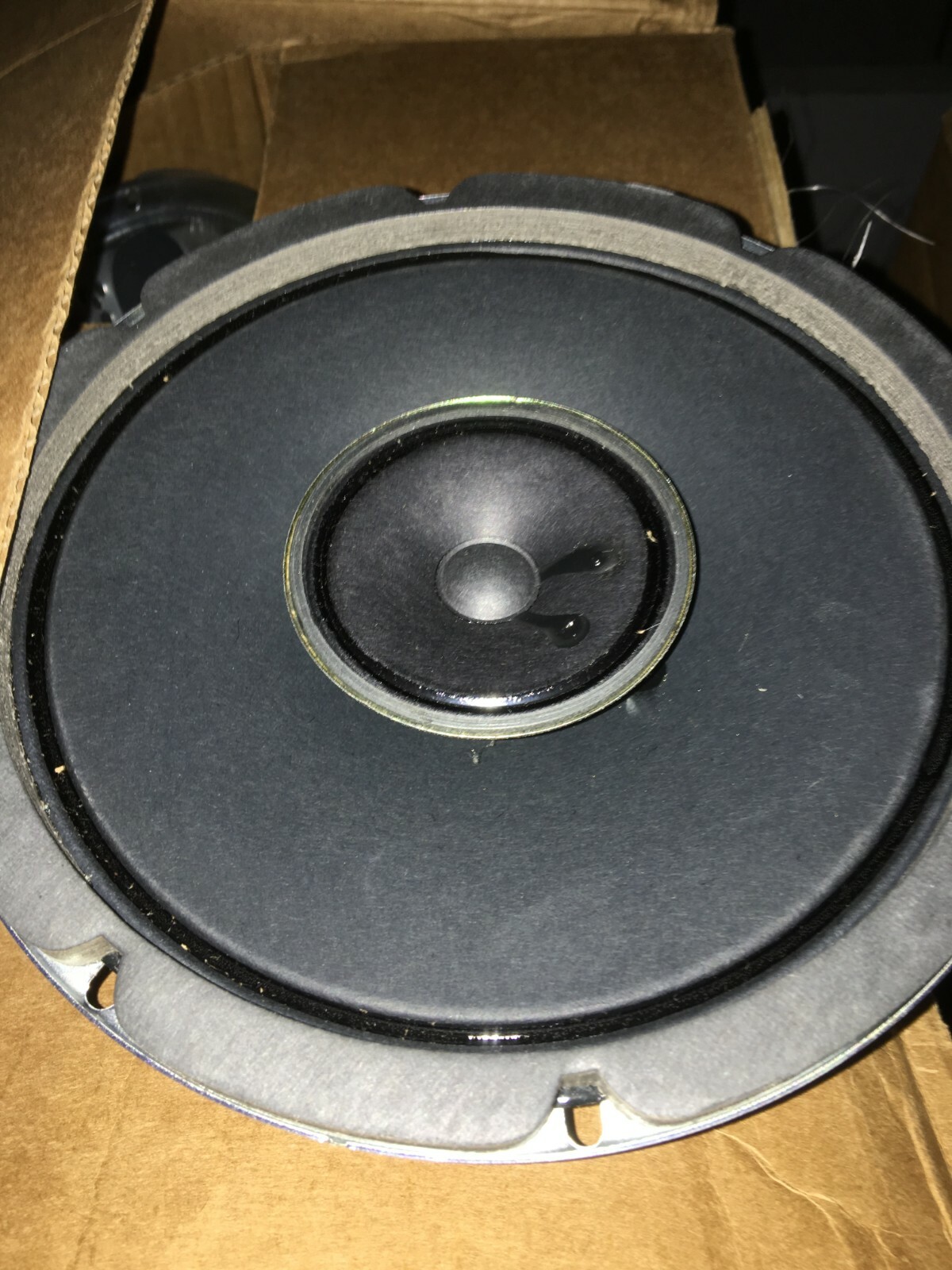

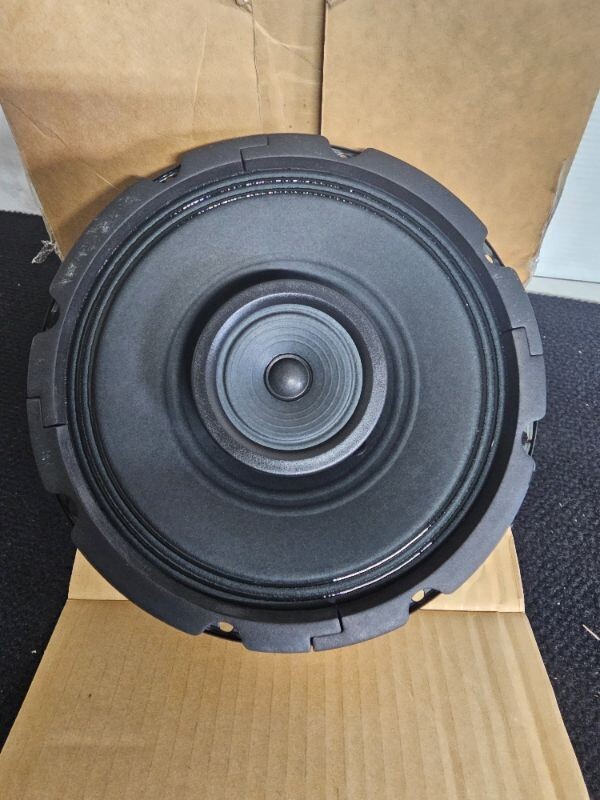
As an eBay Partner, we earn from qualifying purchases. This helps support our independent vintage technology research.
Related Models
- Altec 1224A
- Altec 1592A
- Altec 26420 (1975)
- Altec 288D (1975)
- Altec 288L (1975)
- Luxman L-530 (1975)
- Luxman R-404 (1975)
- Luxman RV-371 (1975)
- Luxman SQ-38U (1975)
- Luxman T-14 (1972)