Altec Lansing 909-16A 16-Ohm Compression Driver
The Altec Lansing 909-16A is a high-efficiency 1-inch exit compression driver renowned for its use in professional audio systems during the mid-20th century. Designed for demanding applications in cinemas, broadcast studios, and live sound reinforcement, the 909-16A exemplifies Altec’s engineering excellence during the golden era of analog audio. With its alnico magnet structure and phenolic diaphragm, this driver delivers a bright, articulate sound signature that contributed to the legendary "West Coast sound" associated with Altec’s Voice of the Theatre (VOTT) speaker systems.
Despite its age, the 909-16A remains sought after by vintage audio enthusiasts, restorers, and high-fidelity hobbyists for its dynamic clarity and historical significance.
Specifications
| Parameter | Specification |
| Model | Lansing 909-16A |
| Brand | Altec Lansing |
| Year of Introduction | Circa 1950s–1970s (exact: unknown) |
| Impedance | 16 ohms |
| Sensitivity | ~110 dB (1W/1m, typical estimate) |
| Diaphragm Material | Phenolic resin |
| Magnet Type | Alnico (Aluminum-Nickel-Cobalt) |
| Voice Coil Exit | 1-inch throat |
| Power Handling | Unknown (estimated 25–50W continuous) |
| Frequency Response | 1.5 kHz – 16 kHz (typical system use) |
| Intended Use | Professional cinema, studio monitors |
| Weight | ~2.5 lbs (1.13 kg) |
Historical Context
The Altec Lansing 909-16A is part of a distinguished lineage of compression drivers developed by Altec Lansing during the 1950s through the 1970s. It was commonly paired with large-format horns in systems such as the iconic A-7 Voice of the Theatre (VOTT) and other professional installations in movie theaters, opera houses, and recording studios across North America.
The 909 series drivers were engineered for maximum efficiency and durability, making them ideal for high-SPL environments where clarity and projection were paramount. The use of alnico magnets provided strong magnetic fields with smooth saturation characteristics, contributing to a warm yet detailed high-frequency response.
These drivers played a pivotal role in shaping the sonic character of mid-century American audio systems. Their bright, forward midrange and extended highs became synonymous with the "West Coast sound"—a term used to describe the lively, present tonality favored in Hollywood sound mixing and live reinforcement of the era.
Sound Signature
The 909-16A is known for its:
- Bright and detailed high-frequency reproduction
- Strong midrange presence, ideal for vocal clarity
- High efficiency, enabling loud output with minimal amplifier power
- Dynamic punch and transient response
When properly mated with a compatible horn (such as the 802B or 811B), the driver delivers a commanding, theater-ready sound. However, due to its inherent brightness, it can sound harsh or fatiguing if used in mismatched enclosures or with poor crossover integration. Many modern users pair it with attenuators or use it in bi-amped systems with careful EQ control.
Maintenance and Restoration Tips
Like all vintage electrodynamic drivers, the Altec 909-16A requires careful inspection and maintenance to perform optimally:
Common Issues:
- Weakened alnico magnets: Over decades, alnico magnets can lose magnetic strength. A weakened magnet reduces efficiency and dynamics. Remagnetization using a professional magnet charger can restore performance.
- Phenolic diaphragm degradation: Cracking or warping of the diaphragm can cause distortion or failure. Replacement diaphragms are available from specialty vendors, though original-spec parts are rare.
- Corroded terminals or leads: Check for oxidation on input terminals and fraying of internal wiring. Clean with contact cleaner and re-solder as needed.
- Dust cap damage: While not always present, ensure the dust environment hasn’t compromised internal components.
Restoration Recommendations:
1. Inspect the diaphragm under magnification for cracks or delamination.
2. Test magnet strength using a gauss meter or by comparing cone movement to a known-good unit.
3. Re-magnetize if output seems weak or inefficient.
4. Replace foam or cloth gaskets if mounting to a horn, to ensure an airtight seal.
5. Use with proper loading: Always pair with a correctly sized horn to prevent diaphragm over-excursion and damage.
Collectibility and Market Value
The Altec 909-16A holds a collectibility rating of 7/10, driven by its association with classic theater systems and the resurgence of interest in vintage professional audio. Units in excellent working condition with strong magnets and intact diaphragms typically sell for $100–$300 each.
Drivers with original finishes, date stamps, and matching hardware command higher prices, especially when sold as part of a complete VOTT system restoration.
Conclusion
The Altec Lansing 909-16A stands as a testament to the golden age of American audio engineering. Its combination of alnico magnetism, phenolic diaphragm technology, and high-efficiency design made it a cornerstone of professional sound for decades. While it demands careful handling and system matching, its sonic character continues to inspire audiophiles and restorers alike.
For those rebuilding a Voice of the Theatre system or seeking authentic vintage clarity, the 909-16A remains a worthy centerpiece of any classic audio collection.
eBay Listings

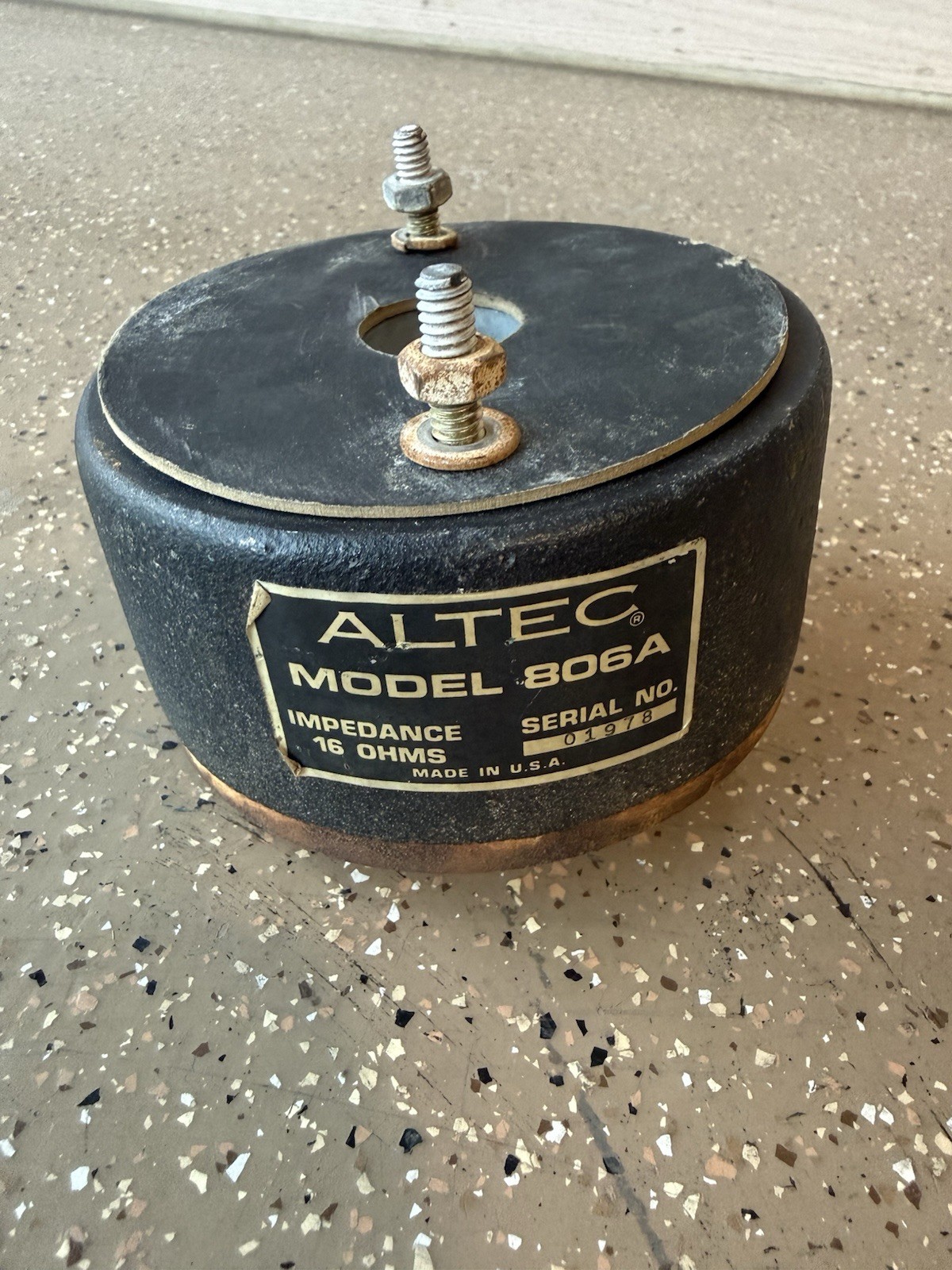

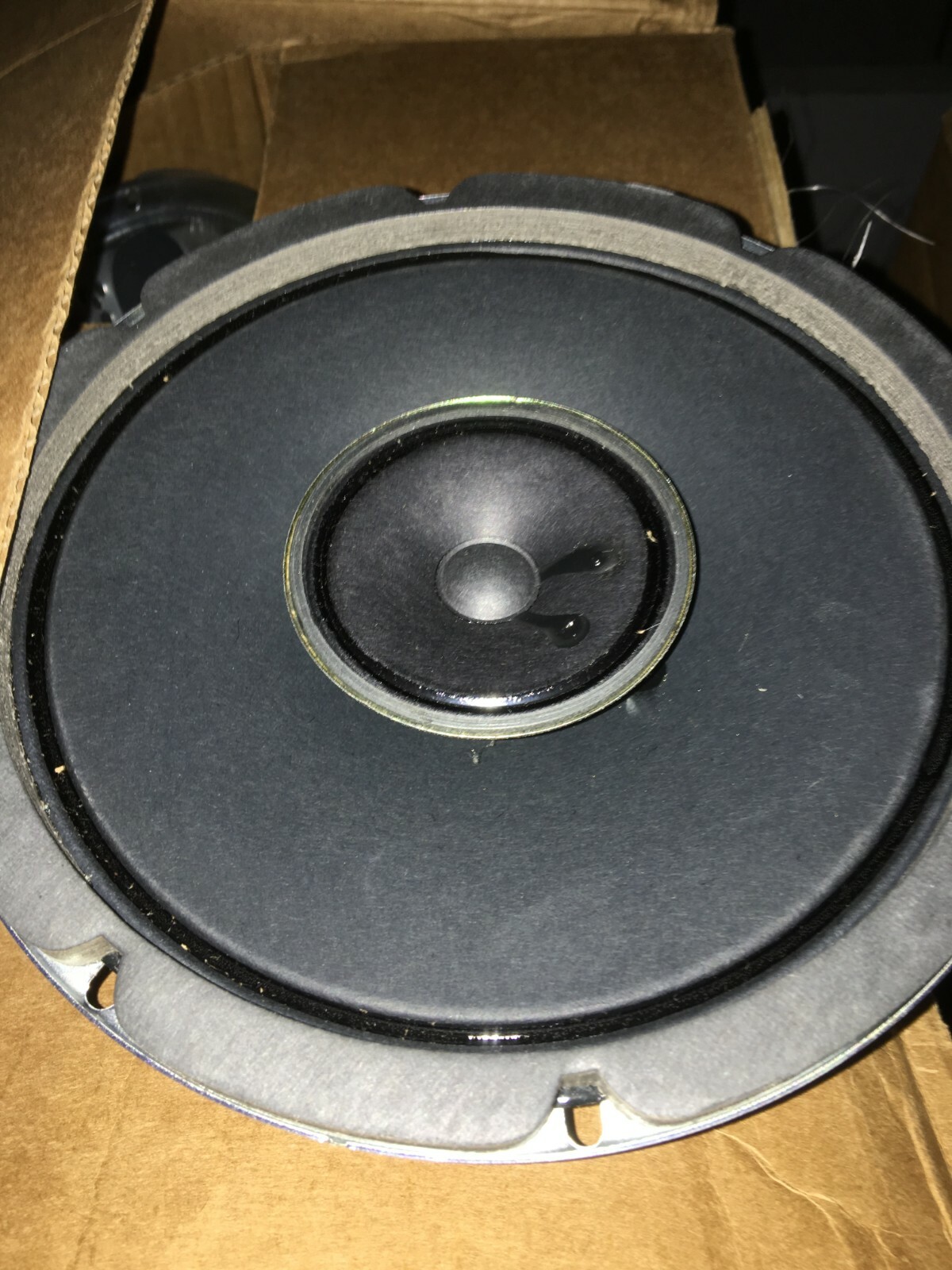
As an eBay Partner, we earn from qualifying purchases. This helps support our independent vintage technology research.
Related Models
- Altec 1224A
- Altec 1592A
- Altec 26420 (1975)
- Altec 288D (1975)
- Altec 288L (1975)
- Luxman L-530 (1975)
- Luxman R-404 (1975)
- Luxman RV-371 (1975)
- Luxman SQ-38U (1975)
- Luxman T-14 (1972)