Altec Lansing 808
The Altec Lansing 808 is a classic full-range dynamic loudspeaker developed in the late 1940s to early 1950s, representing a pivotal era in American audio engineering. Designed primarily for use in home console radios, public address systems, and professional monitoring applications, the 808 exemplifies post-WWII innovation in electroacoustic design. With its robust construction and characteristic warm sound, it remains a sought-after vintage speaker among audiophiles and restorers.
Specifications
| Feature | Specification |
| Driver Size | 8 inches |
| Driver Type | Full-range |
| Impedance | 16 ohms |
| Sensitivity | Estimated 95–100 dB (1W/1m) |
| Power Handling | Compatible with 5–15W tube amplifiers |
| Magnet Type | Alnico (Aluminum-Nickel-Cobalt) |
| Cone Material | Paper |
| Surround | Cloth |
| Enclosure Compatibility | Open-back or small acoustic enclosures |
| Typical Use Case | Console radios, PA systems, extension speakers |
Historical Context
The Altec Lansing 808 emerged during a transformative period in audio technology, shortly after World War II, when advancements in materials and manufacturing enabled broader access to high-fidelity sound. As part of Altec Lansing's early consumer and professional product lines, the 808 was engineered for reliability and clear midrange reproduction—qualities essential for both home entertainment and public address applications.
Altec, formed from the merger of Altec Service Corporation and Lansing Manufacturing Company, leveraged expertise from both cinema sound and broadcast audio to create durable, sonically pleasing drivers. The 808 became a staple in furniture-style console radios and was often paired with tube amplifiers of modest power, where its high sensitivity and 16-ohm impedance provided efficient performance.
Though not as widely documented as some of Altec’s later theater or studio monitors, the 808 played a foundational role in establishing the brand’s reputation for robust, natural-sounding drivers. Its design reflects the era’s preference for simplicity and serviceability, with easily replaceable components and a rugged build.
Sound Signature
The Altec Lansing 808 delivers a warm, mid-forward tonal balance typical of vintage full-range speakers. Its sound profile emphasizes vocal clarity and instrumental presence, making it ideal for jazz, blues, and spoken word. High frequencies are surprisingly clear for a single-driver design of its time, though they roll off gently above 10 kHz. Bass response is limited by modern standards, with minimal extension below 80 Hz, but remains tight and articulate within its range.
When used in well-designed enclosures—often open-back or small sealed cabinets—the 808 offers a coherent, uncolored presentation that many enthusiasts describe as "musical" and emotionally engaging.
Maintenance and Restoration Tips
Due to their age, surviving Altec Lansing 808 units often require restoration to perform optimally. Here are key considerations:
- Surround Replacement: The original cloth surrounds frequently degrade over time, leading to distortion or mechanical rubbing. Re-coning services or replacement surrounds (foam or butyl) can restore proper cone movement.
- Magnet Recharging: Alnico magnets may lose strength over decades. Specialized services can re-magnetize the driver to restore sensitivity and efficiency.
- Terminal Inspection: Check for corrosion or loose connections at the binding posts and voice coil leads. Clean with contact cleaner and tighten as needed.
- Capacitor Check: If used in a crossover network (rare for full-range use), replace any old capacitors to prevent degradation in sound quality.
- Cabinet Compatibility: When repurposing the 808, pair it with an appropriate enclosure. Open-back designs enhance warmth, while small sealed boxes can improve bass control.
Avoid exposing the speaker to excessive power or humidity, as vintage components are not designed for modern high-output amplifiers.
Collectibility and Market Value
The Altec Lansing 808 holds moderate collectible appeal, rated around 6/10. While not as iconic as the 604 or 605 coaxial models, it is valued for its historical significance, Alnico magnet, and vintage tonality. Units in working condition with original components command higher prices.
As of recent market trends, individual 808 speakers typically sell for $50–$150, depending on condition, provenance, and whether they’ve been restored. Original labels, intact baskets, and matching pairs increase value.
Conclusion
The Altec Lansing 808 stands as a testament to mid-century American audio craftsmanship. Though limited by today’s standards, its expressive midrange and vintage charm continue to attract tube audio enthusiasts, restorers, and collectors. Whether used in a restored console or a modern minimalist setup, the 808 offers a direct link to the golden age of analog sound.
eBay Listings

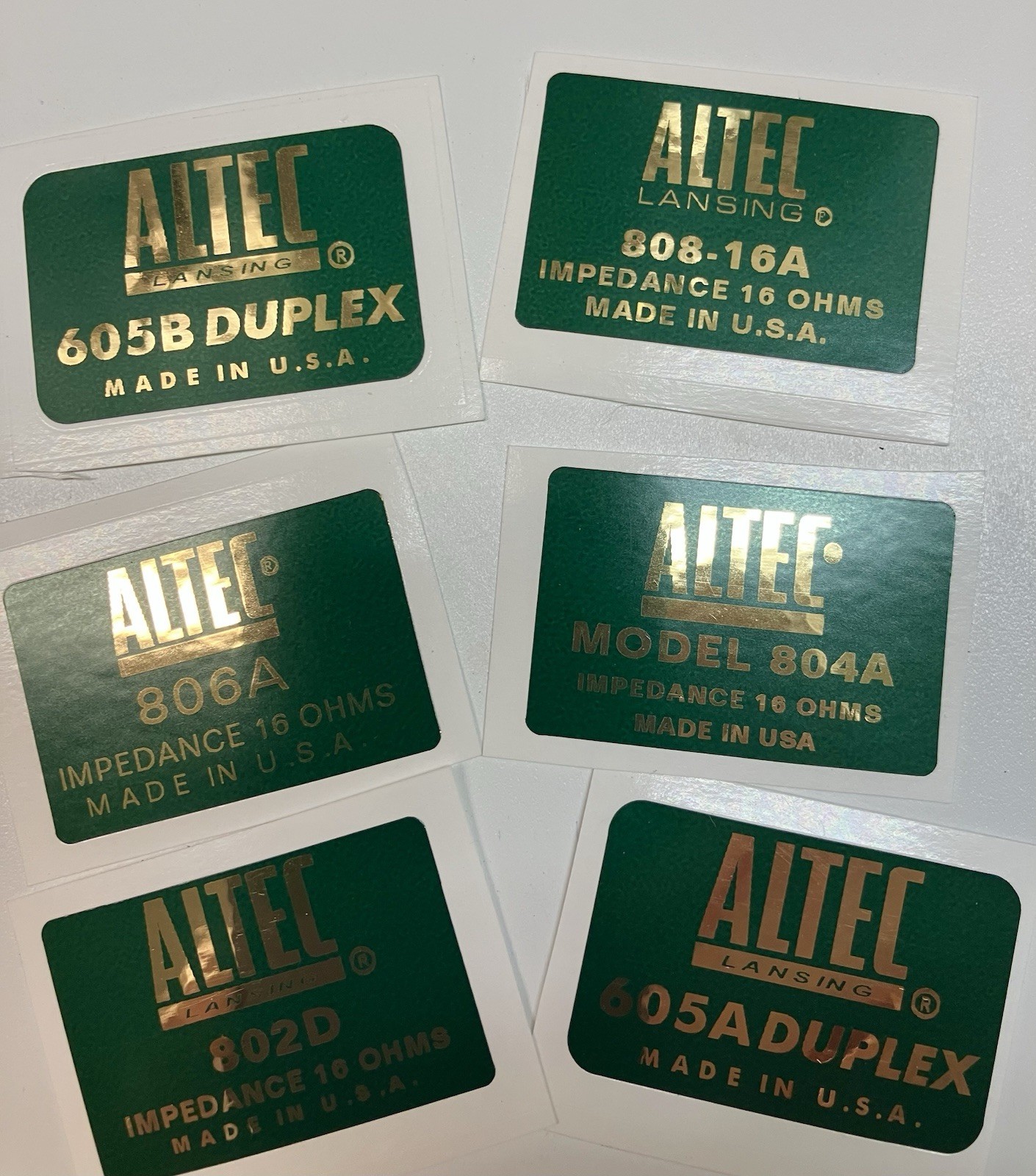

As an eBay Partner, we earn from qualifying purchases. This helps support our independent vintage technology research.
Related Models
- Altec 1221A
- Altec 3000B
- Altec 600B
- Altec 603
- Altec A4X
- Akai AM-2850 (1975)
- Akai AP-206 (1975)
- Nakamichi BX-1 (1985)
- Acoustic Research research-ar-17 (1978)
- Acoustic Research AR-19 (1994)