Altec Lansing 807-8B Compression Driver
The Altec Lansing 807-8B is a legendary high-efficiency compression driver that played a pivotal role in shaping the sound of mid-20th-century professional audio. Revered for its clarity, output capability, and robust construction, the 807-8B was a staple in sound reinforcement, broadcast, and cinema applications. It remains a sought-after component among vintage audio enthusiasts and DIY speaker builders.
Specifications
| Parameter | Specification |
| Model | 807-8B |
| Brand | Altec Lansing |
| Year of Production | 1950s–1970s |
| Power Handling | 50W RMS (music power) |
| Impedance | 16 ohms |
| Sensitivity | 110 dB (1W/1m) |
| Driver Type | 2-inch throat compression driver |
| Diaphragm Material | Aluminum (phenolic in early models) |
| Construction | Cast aluminum body |
| Horn Compatibility | Multicellular horns (e.g., 287-8C) |
| Terminal Type | Screw terminals |
| Weight | 3.5 lbs (1.6 kg) |
Historical Context
Introduced in the 1950s and produced through the 1970s, the Altec 807-8B was a key component in the company's renowned "Voice of the Theatre" (VOTT) speaker systems, particularly the A-7 and 1994 series. These systems became the standard in movie theaters, live sound, and recording studios due to their high output and faithful reproduction.
The 807-8B evolved from earlier 807 models, with the -8B variant featuring an aluminum diaphragm for improved durability and transient response over the original phenolic versions. Its 110 dB sensitivity allowed it to achieve high sound pressure levels with relatively low amplifier power, making it ideal for the tube amplifier era.
Altec's engineering excellence and widespread adoption in professional environments cemented the 807-8B’s status as a foundational driver in audio history. Its influence can still be heard in modern high-efficiency speaker designs.
Sound Signature
The 807-8B delivers a clear, articulate, and dynamic sound with a strong midrange presence. It exhibits a slight upper-midrange emphasis, contributing to its "forward" character that cuts through in live and cinematic applications. When paired with a properly matched multicellular horn, it offers wide dispersion and smooth high-frequency response.
However, due to its high efficiency and brightness, the 807-8B can sound harsh or fatiguing if used with incompatible horns or without proper crossover integration. Careful system design is essential to harness its strengths while mitigating potential tonal imbalances.
Maintenance and Restoration Tips
Given their age, surviving 807-8B units often require inspection or restoration:
- Diaphragm Condition: Check for tears, warping, or corrosion. Aluminum diaphragms can fatigue over time; replacement with period-correct or modern equivalents (e.g., Omega or P-Audio) is common.
- Terminals and Wiring: Clean oxidation from terminals and ensure secure connections. Consider replacing brittle or degraded lead wires.
- Magnet Strength: Over decades, the Alnico magnet may weaken. Re-magnetization by a specialist can restore performance.
- Throat Gasket: Replace hardened or missing gaskets to ensure an airtight seal with the horn.
- Cleaning: Use mild solvents on the cast housing; avoid abrasive materials that could damage original finishes.
Restoration should preserve originality where possible, especially for collectors. Units with original aluminum diaphragms and factory markings command higher value.
Market Value and Collectibility
The Altec 807-8B holds strong appeal among vintage audio collectors and horn speaker enthusiasts. In working condition, prices typically range from $150 to $400 per driver, with higher values for units featuring original aluminum diaphragms, minimal corrosion, and complete hardware.
Collectibility is rated 8/10 due to its historical significance, sonic reputation, and continued use in high-efficiency speaker builds. Drivers from the 1950s and early 1960s, particularly those with phenolic diaphragms, are especially prized for authenticity.
Conclusion
The Altec Lansing 807-8B stands as a milestone in compression driver design. Its combination of efficiency, durability, and sonic clarity made it a workhorse in professional audio for decades. Today, it remains a respected component for restorations, vintage systems, and high-fidelity horn projects, embodying the golden era of American audio engineering.
eBay Listings


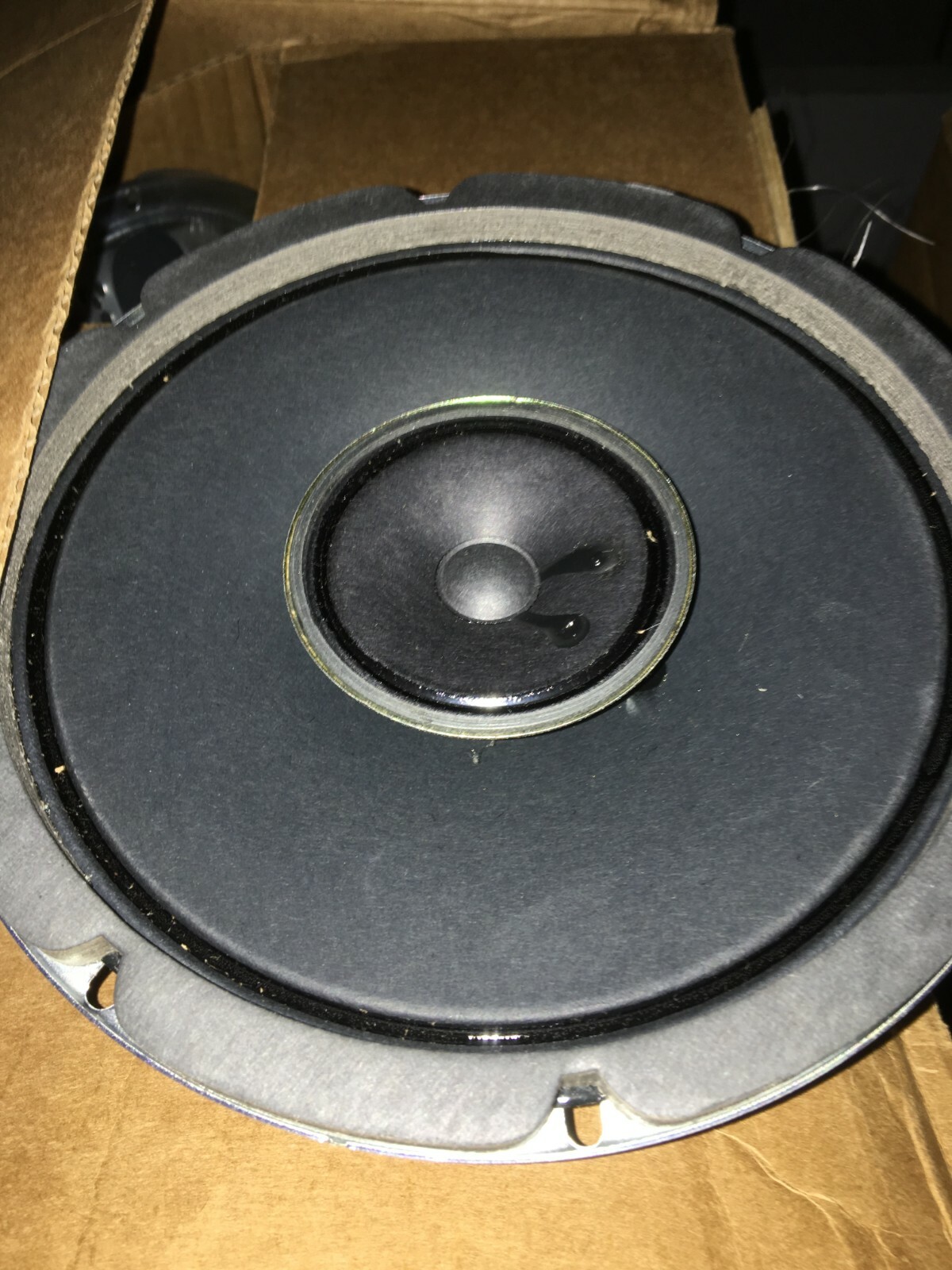
As an eBay Partner, we earn from qualifying purchases. This helps support our independent vintage technology research.
Related Models
- Altec 1224A
- Altec 1592A
- Altec 26420 (1975)
- Altec 288D (1975)
- Altec 288L (1975)
- Luxman L-530 (1975)
- Luxman R-404 (1975)
- Luxman RV-371 (1975)
- Luxman SQ-38U (1975)
- Luxman T-14 (1972)