Altec Lansing 614D Coaxial Loudspeaker
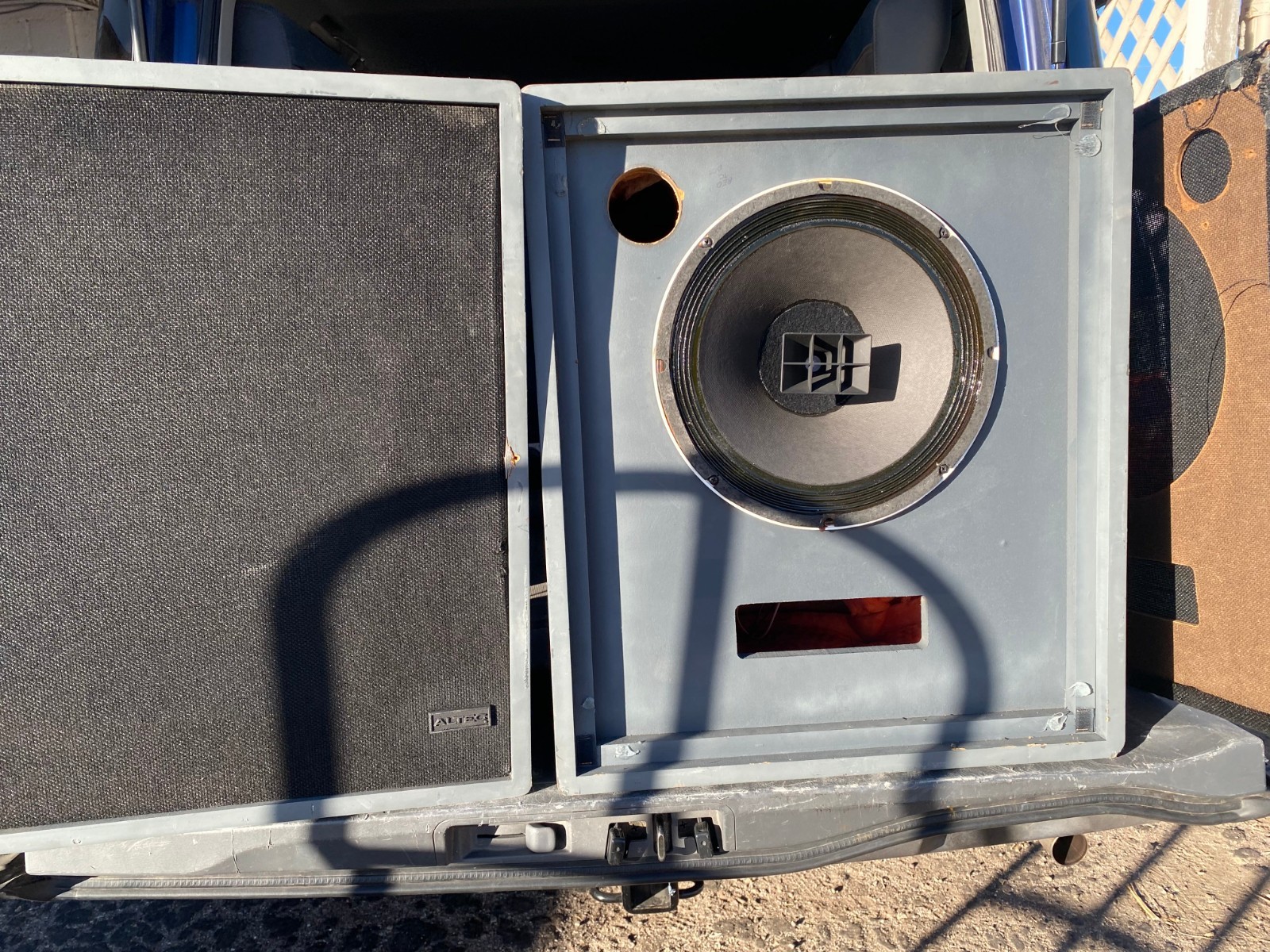
The Altec Lansing 614D is a classic professional loudspeaker developed in the 1960s as part of Altec’s renowned Monitor series. Designed for studio monitoring, broadcast, and public address applications, the 614D exemplifies the high-efficiency engineering philosophy of the tube amplifier era. Its coaxial driver configuration and multicell horn design deliver exceptional clarity and dynamic range, making it a favorite among vintage audio enthusiasts and collectors.
Specifications
| Feature | Specification |
| Manufacturer | Altec Lansing |
| Model | 614D |
| Year of Production | 1960s |
| Category | Passive coaxial loudspeaker |
| Driver Configuration | Coaxial (12-inch woofer + HF compression driver) |
| Woofer Size | 12 inches |
| High-Frequency Driver | Compression driver with multicell horn |
| Impedance | 16 ohms |
| Power Handling | Estimated 25–50W RMS (2 channels) |
| Sensitivity | Estimated 95–98 dB |
| Crossover | Internal passive crossover network |
| Enclosure Type | Bass-reflex with rear port, heavy-duty wood |
| Dimensions (approx.) | 24" H × 14" W × 10" D |
| Weight | ~55 lbs per cabinet |
| Finish Options | Natural wood grain, black paint (studio variants) |
Historical Context
The Altec Lansing 614D was introduced during the golden age of professional audio, a time when reliability, efficiency, and sonic accuracy were paramount. As a member of Altec’s 600-series monitor line, the 614D was engineered for use in recording studios, radio stations, and live sound installations. Its coaxial design—featuring a high-frequency compression driver mounted at the center of a 12-inch woofer—ensured precise time alignment and a coherent soundstage, a significant advantage over conventional two-way systems of the era.
The 614D’s multicell horn provided controlled dispersion and high sensitivity, allowing it to perform effectively with low-powered tube amplifiers. This made it a staple in environments where clean, punchy sound was required without the need for excessive amplification. Its rugged construction and consistent performance cemented its reputation as a workhorse in professional audio circles.
Though eventually superseded by more modern designs, the 614D remains a sought-after vintage speaker for audiophiles who appreciate its dynamic presentation and historical significance.
Sound Signature
The Altec 614D delivers a bold and energetic sound profile characterized by:
- Punchy, articulate bass from the large 12-inch woofer
- Detailed and forward midrange, enhanced by horn loading
- Bright, crisp highs with excellent transient response
- High efficiency and dynamic headroom, ideal for acoustic and vocal clarity
Due to its horn-loaded design, the 614D can sound bright or even harsh when paired with modern solid-state amplifiers or bright source material. Optimal performance is often achieved with tube amplification or careful system matching to tame its upper-midrange presence.
Maintenance and Restoration Tips
Given their age, surviving Altec 614D units often require maintenance to restore full performance and reliability. Common issues and recommended actions include:
1. Crossover Network
- Issue: Aging capacitors and inductors can degrade, leading to muffled highs or distorted bass.
- Solution: Rebuild the crossover with modern, high-quality components. Pay special attention to the series capacitor for the HF driver.
2. Woofer Surrounds
- Issue: Original foam or cloth surrounds often deteriorate, causing bass distortion or mechanical rubbing.
- Solution: Re-cone the woofer or replace with a refurbished driver. Companies specializing in vintage Altec parts offer restoration kits.
3. Horn Driver (HF Compression Driver)
- Issue: Diaphragm fatigue, voice coil degradation, or corrosion on terminals.
- Solution: Inspect the diaphragm under magnification. If damaged, consider reconing or replacement with a compatible vintage-spec driver.
4. Connections and Terminals
- Issue: Oxidized or loose binding posts and internal wiring.
- Solution: Clean terminals, replace outdated wiring with oxygen-free copper, and ensure solid solder joints.
5. Cabinet Integrity
- Issue: Loose joints, veneer damage, or port blockage.
- Solution: Reinforce cabinet joints, clean internal baffles, and ensure the rear port is unobstructed for proper bass response.
Collectibility and Market Value
The Altec Lansing 614D holds a collectibility rating of 7 out of 10, appealing to vintage audio collectors, studio memorabilia enthusiasts, and DIY speaker builders. Its professional heritage and distinctive sound contribute to steady demand.
- Market Value: $300–$800 per pair, depending on condition, originality, and restoration quality.
- High-Value Units: Fully restored pairs with original drivers and rare finishes command premium prices.
- Restoration Potential: Even non-working units have value due to the availability of parts and strong community support.
Conclusion
The Altec Lansing 614D stands as a testament to mid-century professional audio engineering. With its powerful sound, innovative coaxial design, and enduring build quality, it remains a respected name in vintage loudspeaker circles. Whether used in a classic hi-fi setup or restored as a piece of audio history, the 614D continues to deliver a listening experience that modern speakers often struggle to replicate.
eBay Listings


As an eBay Partner, we earn from qualifying purchases. This helps support our independent vintage technology research.
Related Models
- Altec 1221A
- Altec 3000B
- Altec 600B
- Altec 603
- Altec A4X
- Akai AM-2850 (1975)
- Akai AP-206 (1975)
- Nakamichi BX-1 (1985)
- Acoustic Research research-ar-17 (1978)
- Acoustic Research AR-19 (1994)