Altec Lansing 601C
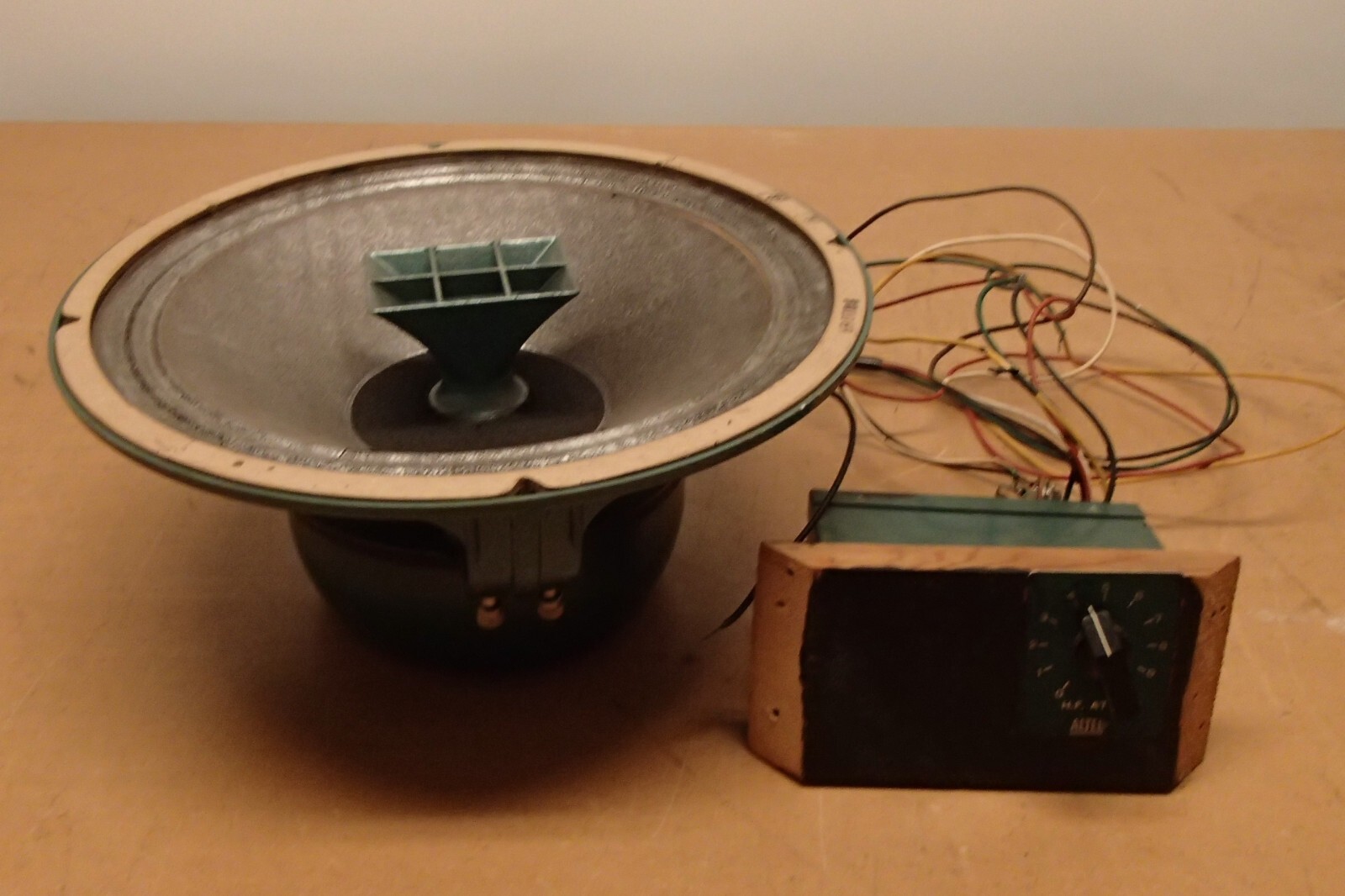
The Altec Lansing 601C is a classic coaxial loudspeaker developed during the mid-20th century as part of Altec’s renowned 600 series. Designed to bridge the gap between professional studio monitoring and high-fidelity home audio, the 601C exemplifies American loudspeaker engineering at its peak. Featuring a high-efficiency coaxial driver configuration derived from the legendary 604 Duplex, this speaker delivers a dynamic, articulate sound with strong midrange clarity and horn-like presence.
Though often overshadowed by its larger sibling, the 604, the 601C carved its own niche as a compact yet powerful option for both broadcast environments and discerning audiophiles. Its design prioritizes vocal intelligibility and transient response, making it ideal for music and voice applications.
Specifications
| Feature | Specification |
| Model | 601C |
| Brand | Altec Lansing |
| Year of Introduction | 1950s (continued production into 1970s) |
| Type | Passive, coaxial, horn-loaded |
| Configuration | 2-way (coaxial driver) |
| Woofer | 12" paper cone with cloth surround |
| Tweeter | Horn-loaded compression driver (integrated coaxially) |
| Driver Design | Based on 604 Duplex technology |
| Power Handling | 15–25W RMS (per speaker) |
| Impedance | 16 ohms |
| Sensitivity | Not officially documented; estimated ~100 dB (high efficiency) |
| Frequency Response | Approximately 60 Hz – 16 kHz (varies with enclosure and condition) |
| Crossover | Internal passive network (first-order, component values vary by revision) |
| Enclosure Type | Ported or sealed (depending on application and mounting) |
| Dimensions | ~24" H × 14" W × 10" D (varies by cabinet design) |
| Weight | ~45 lbs per speaker (without external cabinet) |
Historical Context
The Altec 601C emerged in the 1950s as a compact derivative of the legendary 604 Duplex speaker, which had become a standard in broadcast studios and recording facilities. While the 604 was designed for full-range, high-SPL applications, the 601C offered a more manageable form factor without sacrificing the core sonic characteristics of its predecessor.
Part of Altec’s 600 series, the 601C was engineered for versatility—used in everything from radio stations and movie theaters to high-end home audio systems. Its coaxial design ensured time-aligned delivery of midrange and high frequencies, a significant advantage in critical listening environments. The 601C also served as a technological stepping stone, helping refine the coaxial horn concepts that would define Altec’s professional monitor lineage.
During the 1960s and 1970s, many 601C units were repurposed for home use, often mounted in custom cabinets to enhance bass response. Their durability and sonic character earned them a loyal following, and today they are prized by vintage audio enthusiasts and restorers.
Sound Signature
The 601C delivers a forward, energetic sound with exceptional clarity in the midrange—ideal for vocals and acoustic instruments. The horn-loaded tweeter provides a lively, detailed top end with excellent dispersion, while the 12" woofer offers articulate bass, though with less extension than larger floor-standing models.
Its high sensitivity allows the speaker to perform well with low-power tube amplifiers, making it a favorite among vacuum-tube aficionados. The overall presentation is dynamic and engaging, with a "live" quality characteristic of well-designed horn systems.
Maintenance and Restoration Tips
Due to their age, many 601C units require restoration to perform optimally. Common issues include:
- Crossover Capacitors: Original paper or electrolytic capacitors often degrade. Replace with modern metal-film or polypropylene equivalents to restore clarity and prevent distortion.
- Woofer Surrounds: The cloth or foam surrounds on the 12" woofers may have deteriorated. Re-foaming or full reconing by a specialist is recommended.
- Horn Driver Health: Check the compression driver for corrosion or diaphragm damage. Minor cleaning and proper ventilation can prevent long-term issues.
- Wiring: Inspect internal wiring for brittleness or corrosion. Replace with high-quality stranded copper wire for improved signal integrity.
- Grille and Finish: Original grilles may be damaged or missing. Reproduction parts are available from vintage audio suppliers. Cabinet refinishing should preserve original hardware and labels when possible.
When restoring, prioritize originality where feasible—especially with driver badges and Altec-branded components—to maintain collectibility.
Market Value and Collectibility
The Altec 601C holds steady demand among vintage audio collectors and restorers. As of 2024:
- Market Value: $800–$1,500 per pair, depending on condition, originality, and completeness.
- Collectibility Rating: 7/10 — valued for its lineage, engineering, and sonic character, though less iconic than the 604 series.
Units with original drivers, unmodified crossovers, and matching serial numbers command premium prices. Fully restored pairs with professional-grade workmanship are also highly sought after.
Conclusion
The Altec Lansing 601C stands as a testament to mid-century American loudspeaker innovation. Combining professional-grade components with high-fidelity performance, it remains a compelling choice for vintage audio enthusiasts. Whether used in a restored home system or as a centerpiece of a classic audio collection, the 601C continues to deliver a vivid, engaging listening experience that few modern speakers can replicate.
eBay Listings


As an eBay Partner, we earn from qualifying purchases. This helps support our independent vintage technology research.
Service Manuals & Schematics
- Manual (1957) — archive.org
Related Models
- Altec 1221A
- Altec 3000B
- Altec 600B
- Altec 603
- Altec A4X
- Akai AM-2850 (1975)
- Akai AP-206 (1975)
- Nakamichi BX-1 (1985)
- Acoustic Research research-ar-17 (1978)
- Acoustic Research AR-19 (1994)