Altec Lansing 210
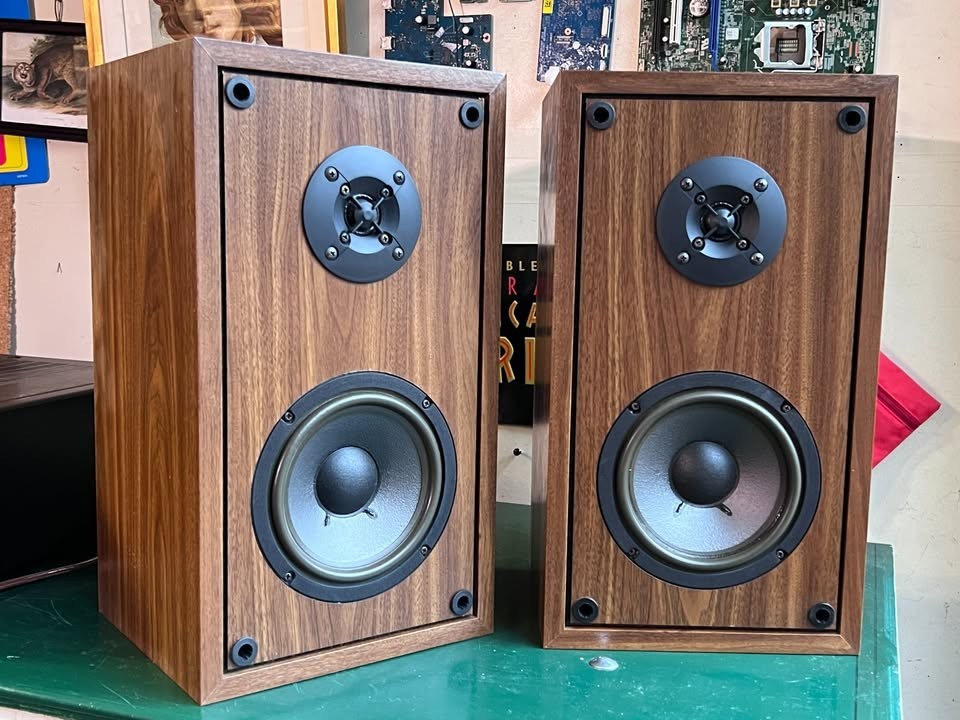
The Altec Lansing 210 is a legendary compression driver and horn combination that became a cornerstone in professional audio and high-fidelity reproduction during the mid-20th century. Though its exact production year is unknown, the 210 series emerged in the 1950s and remained in widespread use through the 1970s. Revered for its exceptional efficiency, clarity, and projection, the 210 was a staple in movie theaters, broadcast studios, and audiophile setups.
Specifications
| Parameter | Specification |
| Driver Model | Altec 802 or 806 compression driver |
| Horn Type | Multicellular (rectangular) horn |
| Impedance | 16 ohms |
| Power Handling | 20–30W RMS |
| Sensitivity | 105–110 dB (1W/1m) |
| Frequency Response | 1.5 kHz – 16 kHz (typical) |
| Diaphragm Material | Aluminum |
| Throat Size | 1 inch |
| Horn Mounting | Bolt-on, with flange and screws |
| Intended Use | Professional sound reinforcement, studio monitoring, hi-fi |
Historical Significance
The Altec Lansing 210 was part of Altec’s renowned "Voice of the Theatre" series, a line of loudspeakers originally developed for cinema sound systems. The 210 paired the high-efficiency 802 or 806 compression driver with a multicellular horn, delivering exceptional clarity and dynamic range. This combination allowed for wide audience coverage with minimal distortion—critical in large venues.
Its adoption quickly spread beyond theaters into recording studios, public address systems, and high-end home audio. Engineers and audiophiles prized the 210 for its transparency and punch, particularly in midrange and high-frequency reproduction. The design influenced countless studio monitors and contributed to the development of modern horn-loaded speaker systems.
Despite being over half a century old, the 210 remains sought after by vintage audio enthusiasts and DIY speaker builders for its raw, uncolored sound and high sensitivity.
Sound Signature
The Altec Lansing 210 delivers a forward and highly detailed sound, with a pronounced presence in the upper mids and treble. Its aluminum diaphragm and multicellular horn produce crisp articulation and excellent transient response, making it ideal for vocals and acoustic instruments.
However, this clarity can border on brightness—especially in modern listening environments. Without proper attenuation or crossover design, the 210 can sound harsh or fatiguing. Pairing it with warm-sounding bass drivers and using a first-order crossover or L-pad attenuation is often recommended for balanced performance.
Maintenance and Restoration Tips
Due to their age, Altec Lansing 210 units often require inspection and maintenance:
- Diaphragm Inspection: Check the aluminum diaphragm for tears, warping, or corrosion. Replacement diaphragms or reconing services are available from specialty audio restoration shops.
- Horn Condition: Look for cracks or damage in the horn, typically made of fiber or phenolic resin. Minor surface cracks may not affect performance, but structural damage can degrade sound.
- Corrosion and Hardware: Inspect mounting bolts and flange hardware for rust or seized threads. Clean with contact cleaner and light lubrication if needed.
- Foam and Damping: Some enclosures or crossover housings may contain deteriorated foam or damping material. Replace as necessary to prevent debris contamination.
- Impedance Matching: Ensure your amplifier can handle 16-ohm loads. Using an impedance-matching transformer may be necessary for compatibility with modern gear.
Collectibility and Market Value
The Altec Lansing 210 is considered moderately collectible, rated 7/10 among vintage audio enthusiasts. Original, well-preserved units with matching driver and horn models command higher prices. Market value typically ranges from $200 to $500 per driver/horn assembly, depending on condition, rarity, and provenance.
Units with the Altec 806 driver are often preferred over the 802 due to improved high-frequency extension and build quality. Original finish, legible labels, and complete hardware also enhance value.
Conclusion
The Altec Lansing 210 stands as a landmark in audio engineering history. Its blend of efficiency, clarity, and durability made it a workhorse in professional environments and a favorite among audiophiles. While it demands careful system matching and occasional restoration, its sonic character remains unmatched for those seeking vintage accuracy and dynamic punch. Whether used in a restored theater system or a modern hi-fi build, the 210 continues to command respect in the world of vintage audio.
eBay Listings



As an eBay Partner, we earn from qualifying purchases. This helps support our independent vintage technology research.
Related Models
- Altec 1224A
- Altec 1592A
- Altec 26420 (1975)
- Altec 288D (1975)
- Altec 288L (1975)
- Luxman L-530 (1975)
- Luxman R-404 (1975)
- Luxman RV-371 (1975)
- Luxman SQ-38U (1975)
- Luxman T-14 (1972)