Altec Lansing 9844 Studio Monitor
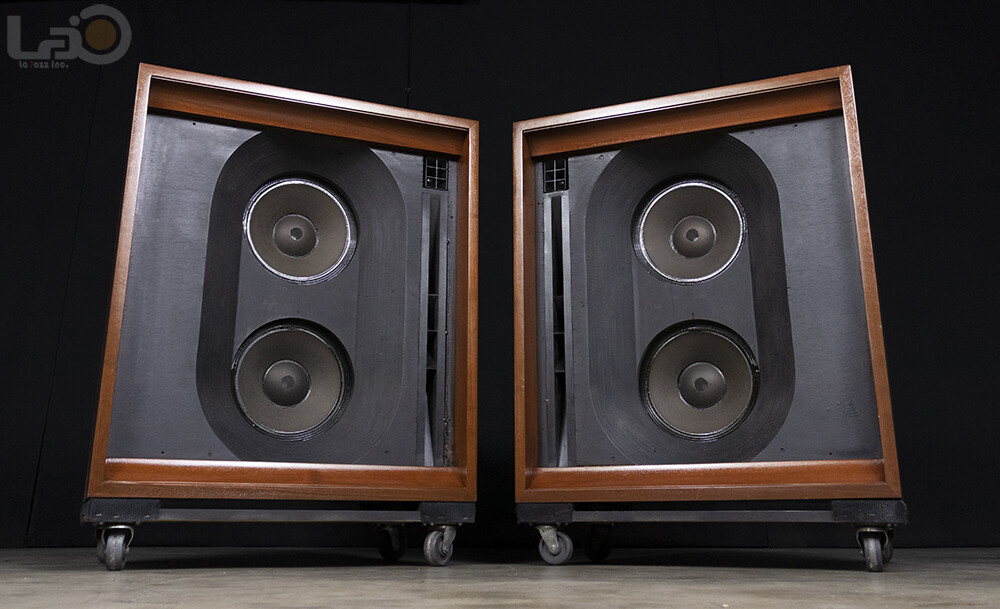
The Altec Lansing 9844 is a high-performance, three-way studio monitor introduced in 1968 as part of Altec’s renowned 900 series. Designed for professional recording and broadcast environments, the 9844 combines efficiency, clarity, and durability, making it a favorite among engineers and audiophiles alike. With its distinctive horn-loaded design and robust power handling, the 9844 delivers a dynamic and transparent sound signature that defined the "West Coast" studio monitor aesthetic.
Specifications
| Feature | Specification |
| Model | Altec Lansing 9844 |
| Production Years | 1968–1974 |
| Configuration | 3-way passive studio monitor |
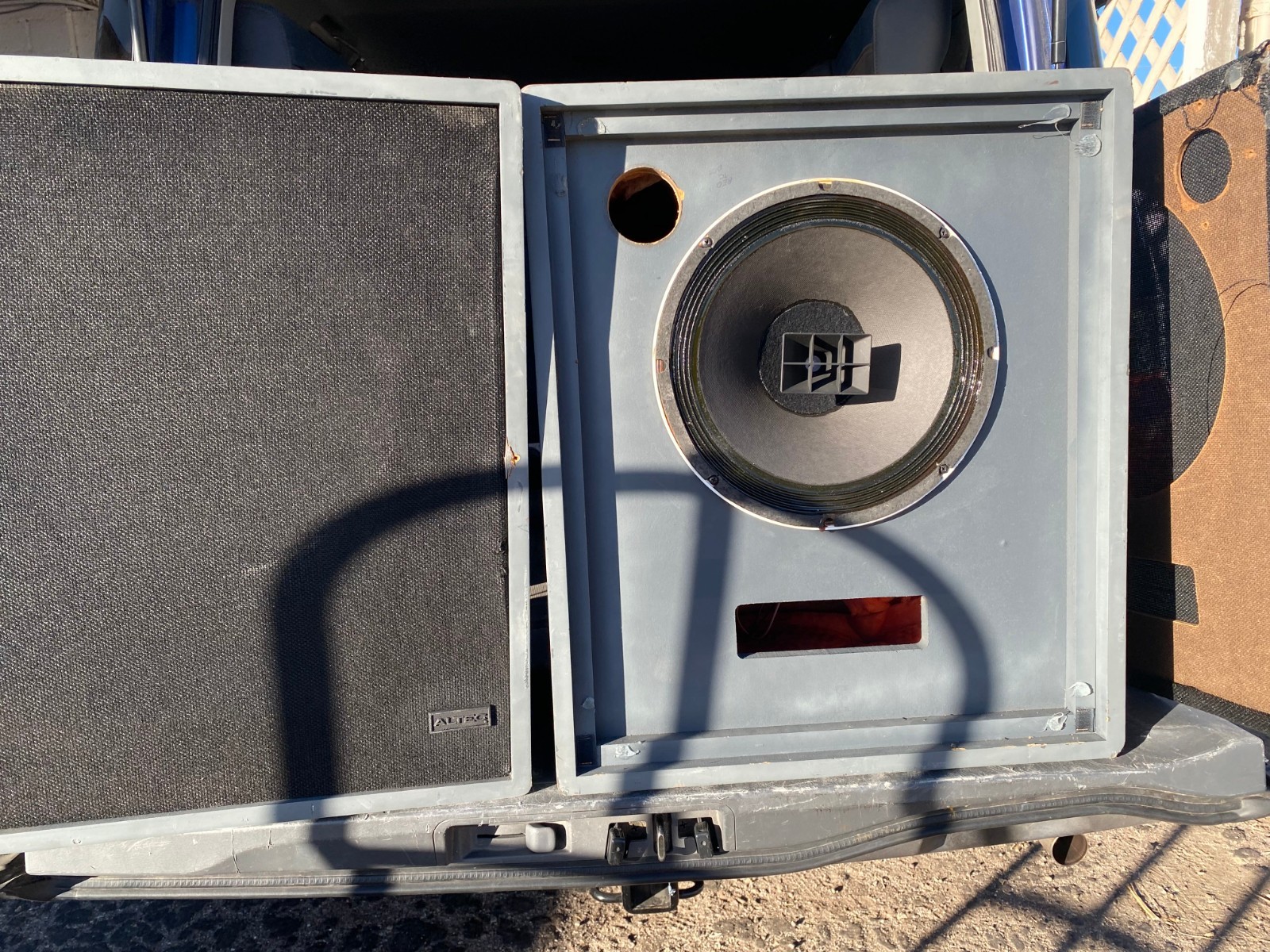
| Woofer | 15-inch paper cone with foam surround |
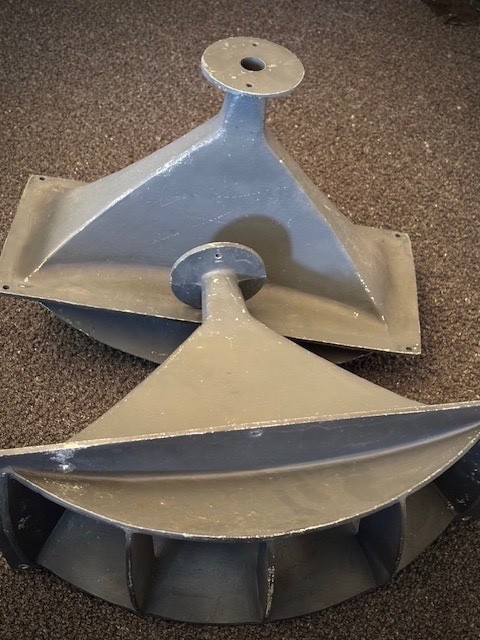
| Midrange Driver | 806A with 811B multicellular horn |
| High-Frequency Driver | 288 compression driver with multicellular horn |
| Power Handling | 50–75W RMS, 2 channels |
| Impedance | 8 ohms |
| Sensitivity | 96 dB (1W/1m) |
| Crossover | Passive network (internal) |
| Frequency Response | 45 Hz – 16 kHz (approximate) |
| Enclosure Type | Bass-reflex with rear port |
| Dimensions (H×W×D) | 32" × 14.5" × 15" (approx.) |
| Weight | 75 lbs per cabinet |
Historical Context
The Altec Lansing 9844 was developed during a pivotal era in audio engineering, marking a transition from massive studio monitoring systems to more compact, high-fidelity enclosures suitable for control rooms and broadcast studios. As a member of the 900 series, the 9844 inherited Altec’s legacy of professional sound reinforcement and studio monitoring excellence.
Originally designed for use in radio stations, recording studios, and post-production facilities, the 9844 offered engineers a reliable and accurate reference tool. Its horn-loaded midrange and high-frequency drivers provided exceptional clarity and projection, essential for critical listening in acoustically challenging environments.
The 9844’s design reflects Altec’s engineering philosophy of efficiency and durability. Unlike many contemporary monitors that relied on direct-radiating tweeters, the 9844 used a multicellular horn system to maximize dispersion control and minimize distortion. This contributed to its reputation for detailed mids and crisp highs, while the 15-inch woofer delivered tight, punchy bass response.
The "West Coast" sound associated with Altec monitors—characterized by forward mids and lively highs—became a hallmark of American studio monitoring during the 1960s and 1970s. The 9844 played a key role in shaping this sonic identity.
Sound Signature
The Altec 9844 is celebrated for its:
- Clear and detailed midrange: Thanks to the 806A/811B horn system, vocals and instruments are rendered with exceptional presence and articulation.
- Efficient high-frequency reproduction: The 288 driver with multicellular horn provides extended highs with low distortion and excellent dispersion.
- Punchy bass response: The 15-inch woofer, though not ultra-deep, delivers fast, dynamic bass with strong transient response.
- High sensitivity: At 96 dB, the 9844 is highly efficient, making it ideal for use with lower-powered tube amplifiers.
The overall sound is lively, engaging, and well-suited for monitoring music with complex textures and dynamic range.
Maintenance and Restoration Tips
Due to their age, Altec 9844 speakers often require maintenance to restore optimal performance. Common issues and recommended actions include:
1. Crossover Network
- Issue: Aging capacitors and resistors can degrade, leading to imbalanced frequency response or driver damage.
- Solution: Rebuild the passive crossover using modern, high-quality components. Pay special attention to the inductors and capacitors serving the mid and high-frequency sections.
2. Woofer Foam Surrounds
- Issue: Original foam surrounds often deteriorate after 40+ years, causing distortion or mechanical failure.
- Solution: Replace with modern foam or butyl rubber surrounds. Kits are available from specialty restoration suppliers.
3. Horn Driver Diaphragms
- Issue: The 288 and 806A drivers can suffer from torn diaphragms, especially if overdriven.
- Solution: Inspect diaphragms carefully. Rebuild or replace with period-correct units if damaged. Avoid high SPLs until drivers are verified.
4. Cabinet and Veneer
- Issue: Original wood veneer may be scratched, worn, or delaminated.
- Solution: Refinish carefully using non-invasive techniques. Maintain original hardware and grilles for collectibility.
5. General Tips
- Always bi-wire or use high-quality speaker cables to preserve signal integrity.
- Place on sturdy, decoupled stands or pads to minimize vibration.
- Break in restored drivers gradually to ensure longevity.
Collectibility and Market Value
The Altec Lansing 9844 holds a collectibility rating of 7/10. Its professional heritage, distinctive sound, and historical significance make it desirable among vintage audio enthusiasts.
- Market Value: $800–$1,500 per pair, depending on condition, originality, and restoration quality.
- High-Value Units: Fully original, unrestored pairs in excellent condition command premium prices.
- Restored Units: Professionally restored systems with upgraded crossovers and drivers are also sought after, especially when documentation is provided.
While not as rare as some Altec models (like the 604 or 605), the 9844 remains a respected and functional piece of audio history.
Conclusion
The Altec Lansing 9844 stands as a testament to American professional audio engineering at its peak. Combining studio-grade accuracy with high efficiency and robust construction, it remains a compelling choice for vintage audio collectors, home studio enthusiasts, and lovers of classic horn-loaded sound. With proper care and restoration, the 9844 continues to deliver the dynamic, clear, and engaging performance that made it a studio standard for decades.
eBay Listings

As an eBay Partner, we earn from qualifying purchases. This helps support our independent vintage technology research.
Related Models
- Altec 1224A
- Altec 1592A
- Altec 26420 (1975)
- Altec 288D (1975)
- Altec 288L (1975)
- Luxman L-530 (1975)
- Luxman R-404 (1975)
- Luxman RV-371 (1975)
- Luxman SQ-38U (1975)
- Luxman T-14 (1972)