Altec Lansing 808-8C Compression Driver
The Altec Lansing 808-8C is a legendary 8-inch compression driver that played a pivotal role in shaping the sound of professional audio from the 1950s through the 1970s. Revered for its high sensitivity, robust construction, and clarity in mid-to-high frequency reproduction, the 808-8C became a staple in cinema sound systems, public address (PA) installations, and high-fidelity monitoring environments. Most famously, it was a key component in the iconic Altec "Voice of the Theatre" speaker systems.
Despite its age, the 808-8C remains highly sought after by vintage audio enthusiasts, restorers, and horn loudspeaker aficionados for its dynamic punch and sonic transparency when properly restored and matched with compatible horns.
Specifications
| Parameter | Specification |
| Model | Altec Lansing 808-8C |
| Type | 8-inch compression driver |
| Power Handling | 50W RMS (recommended), 100W peak |
| Impedance | 16 ohms |
| Sensitivity | 110 dB (1W/1m) |
| Frequency Response | 500 Hz – 15 kHz (when paired with horn) |
| Diaphragm Material | Aluminum (later models), phenolic (early) |
| Horn Compatibility | Multicellular and exponential horns |
| Construction | Cast aluminum body |
| Terminal Type | Screw terminals (prone to corrosion) |
| Recommended Use | Professional audio, cinema, PA, studio monitors |
Historical Significance
Introduced in the early 1950s and produced through the 1970s, the Altec 808-8C was engineered to deliver high sound pressure levels with exceptional efficiency—critical for large venues and outdoor sound reinforcement before the era of high-powered solid-state amplifiers. Its 110 dB sensitivity allowed it to produce loud, clear sound with relatively low amplifier power, making it ideal for use in movie theaters and live sound applications.
The driver was a core component in Altec’s Voice of the Theatre (VOTT) systems, which became the gold standard for cinema audio in the mid-20th century. These systems were renowned for their dynamic range and vocal clarity, influencing generations of loudspeaker design.
The 808-8C also found use in broadcast studios, military communications, and touring PA systems. Its design influenced later drivers from Altec and competitors like JBL and Electro-Voice, cementing its legacy in the evolution of professional audio.
Sound Signature
The 808-8C delivers a bright, articulate sound with a pronounced midrange presence that cuts through dense mixes. Its high efficiency and fast transient response make it excellent for speech intelligibility and dynamic music reproduction. However, the driver can sound harsh or fatiguing if used with mismatched horns or without proper crossover filtering, especially in the upper midrange and lower treble regions.
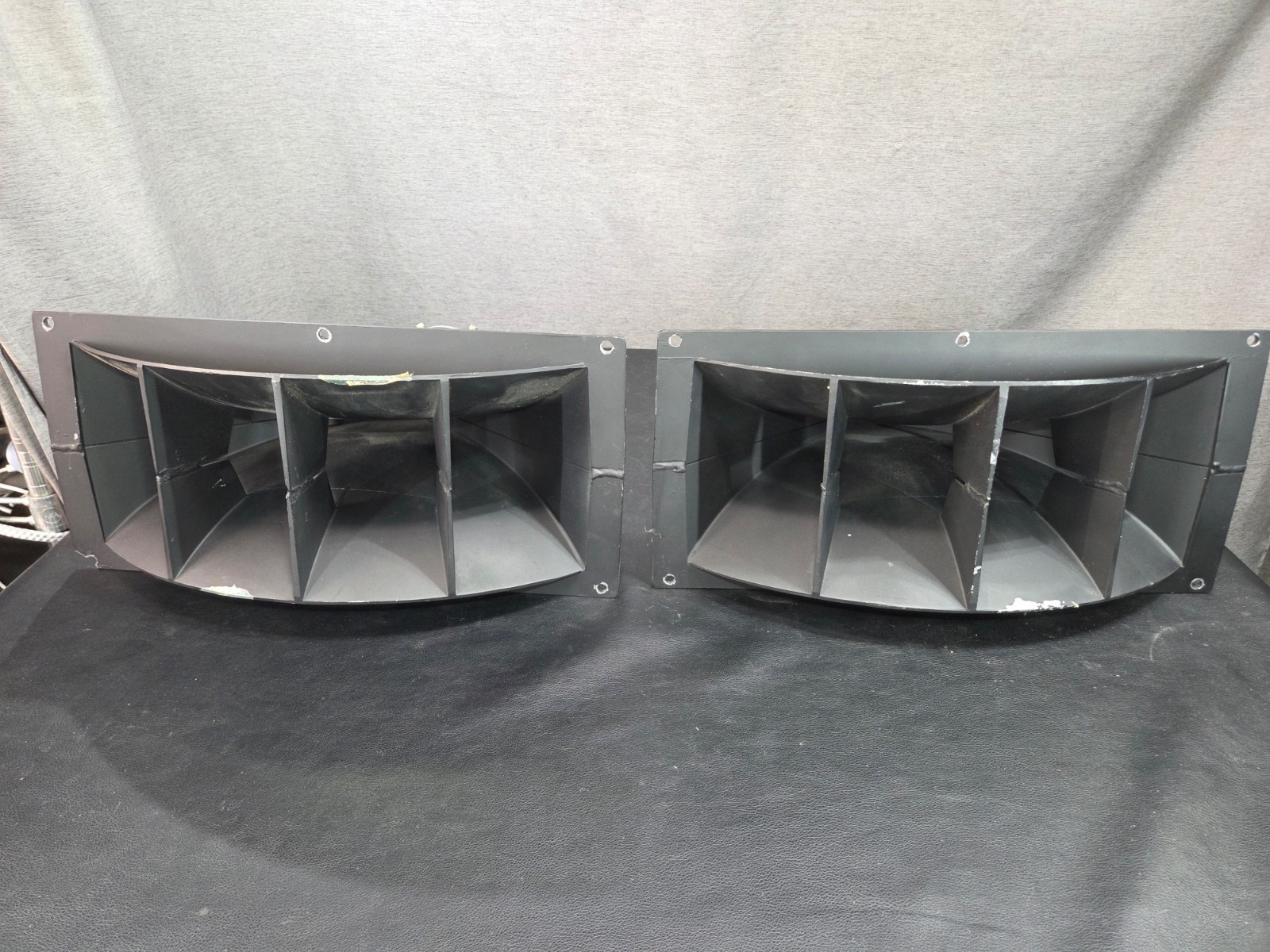
When paired with a well-designed multicellular horn, the 808-8C offers smooth dispersion and a lively, engaging character that many modern drivers struggle to replicate. Audiophiles often praise its "live" quality and dynamic realism.
Maintenance and Restoration Tips
Due to its age, surviving 808-8C units often require inspection and servicing before use:
- Diaphragm Inspection: Check for tears, warping, or fatigue in the diaphragm. Early phenolic domes are more brittle; aluminum versions are preferred for durability. Replacement diaphragms and phase plugs are available from specialty audio restoration suppliers.
- Corrosion Control: Clean terminal connections and remove oxidation from the pole pieces and magnet structure. Use contact cleaner and light sanding if necessary.
- Magnet Recharging: Over decades, the Alnico magnet may weaken. Some technicians offer magnet recharging services to restore full efficiency.
- Horn Matching: Use only compatible horns (e.g., Altec 811, 817, or 288B). Mismatched horns can cause poor dispersion and frequency response anomalies.
- Crossover Considerations: Always use with a high-pass filter set to at least 500 Hz. Avoid driving with excessive high-frequency energy to prevent diaphragm failure.
Collectibility and Market Value
The Altec 808-8C scores an 8/10 on the collectibility scale due to its historical importance, build quality, and continued demand among vintage audio restorers. Units in working condition with original aluminum diaphragms typically command $150–$400 each, with early phenolic-diaphragm versions sometimes fetching higher prices from collectors despite lower reliability.
Complete, unrestored units are common on auction and vintage audio forums, but fully serviced drivers with new diaphragms and tuned horns can exceed $500 in high-end restoration markets.
Conclusion
The Altec Lansing 808-8C stands as a milestone in compression driver design. Its combination of power, efficiency, and sonic clarity made it a workhorse in professional audio for decades. Today, it remains a prized component for those restoring classic systems or building high-efficiency horn speakers with authentic mid-century character. With proper care and matching, the 808-8C continues to deliver a listening experience that is both powerful and profoundly musical.
eBay Listings


As an eBay Partner, we earn from qualifying purchases. This helps support our independent vintage technology research.
Related Models
- Altec 1224A
- Altec 1592A
- Altec 26420 (1975)
- Altec 288D (1975)
- Altec 288L (1975)
- Luxman L-530 (1975)
- Luxman R-404 (1975)
- Luxman RV-371 (1975)
- Luxman SQ-38U (1975)
- Luxman T-14 (1972)