Altec Lansing 802-8D Compression Driver
The Altec Lansing 802-8D is a high-efficiency compression driver used in professional audio and high-fidelity reproduction from the 1950s through the 1970s. It is sensitive and built tough, and vintage audio fans and horn loudspeaker builders still go looking for it.
Specifications
| Parameter | Specification |
| Manufacturer | Altec Lansing |
| Model | 802-8D |
| Year of Production | 1950s–1970s |
| Type | Compression Driver |
| Recommended Amplifier Power | 20–25W RMS |
| Nominal Impedance | 16 ohms |
| Sensitivity | 110 dB (1W/1m) |
| Diaphragm Material | Aluminum (later models), Phenolic (early) |
| Throat Size | 2-inch |
| Voice Coil Diameter | 1.75-inch |
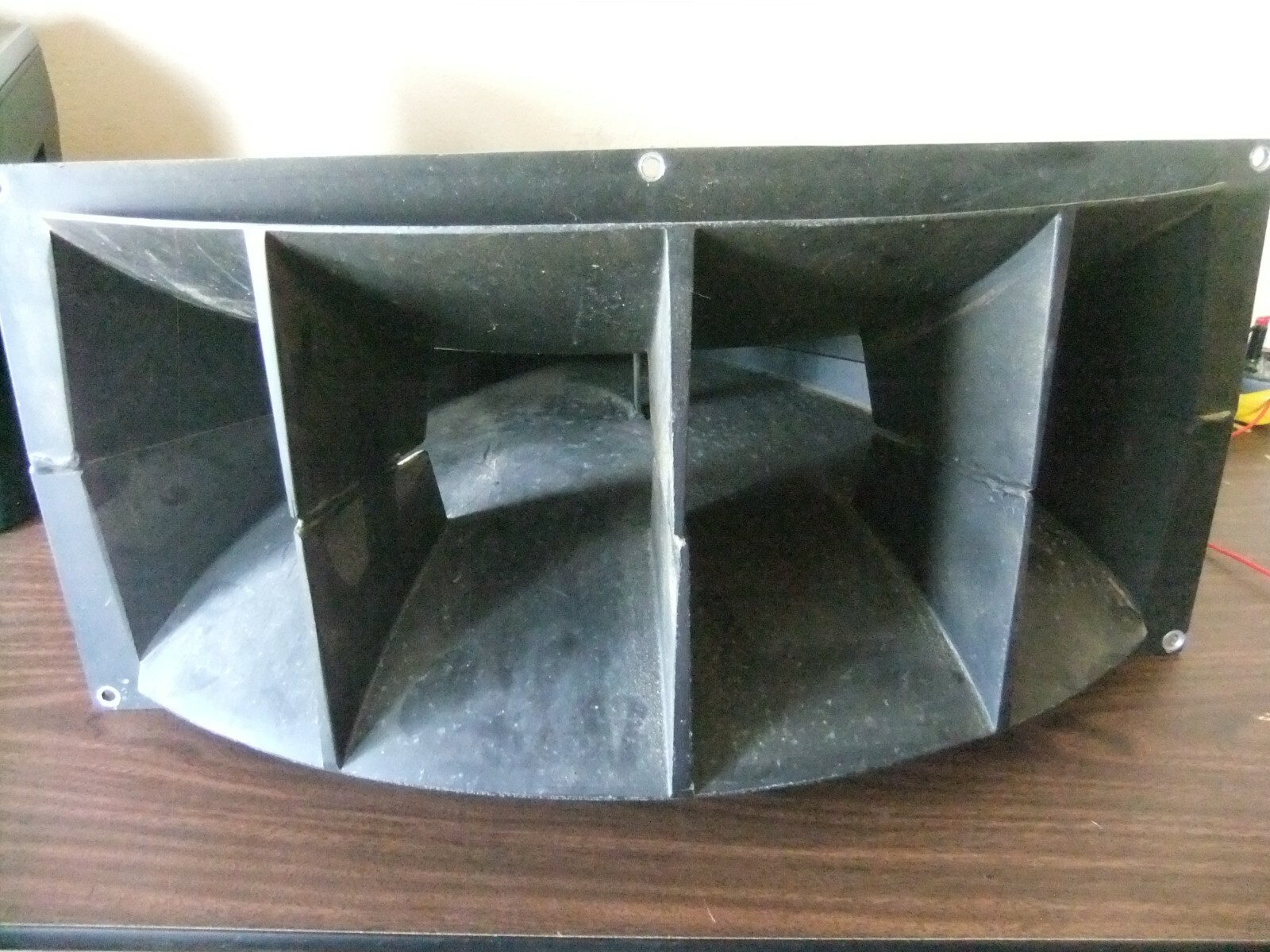
| Horn Compatibility | Multicellular, Sectoral Horns |
| Construction | Cast aluminum body |
| Frequency Response | Designed for high-frequency reproduction |
| Mounting Pattern | Standard 801-series horn interface |
Historical Context
The Altec Lansing 802-8D is a refined version of the original 802 series drivers from Altec Lansing, a company with deep roots in professional audio engineering. The design was originally derived from Western Electric designs after Altec acquired the engineering and manufacturing rights. The 802 series went on to be a cornerstone of both cinema sound systems and high-end home audio setups.
The 802-8D was commonly paired with multicellular or sectoral horns such as the Altec 817 or 811. It was used in broadcast studios, live sound reinforcement, and audiophile-grade speaker systems. Its high efficiency let it perform exceptionally well even with low-power tube amplifiers.
Durability, performance, and precision were prioritized over cost-cutting in this driver. Later models, including the 8D variant, moved from phenolic to aluminum diaphragms. That improved transient response and high-frequency extension, and it made the driver a preferred choice for critical listening environments.
Sound Characteristics
While precise subjective sound signature descriptions are scarce due to the driver’s dependency on horn loading and system integration, the 802-8D is generally described as detailed, dynamic, and authoritative in the mid and high frequencies. When mated with an appropriate horn, it delivers a powerful and coherent soundstage with excellent projection and low distortion at high output levels.
Its 110 dB sensitivity gives effortless volume, which suits passive crossover systems and vintage amplifier pairings.
Maintenance and Usage Tips
Despite their rugged build, vintage 802-8D drivers need careful handling and periodic inspection:
- Inspect the Diaphragm: Check for tears, warping, or corrosion, especially in units stored in humid environments. Early phenolic diaphragms are more prone to degradation.
- Voice Coil Clearance: Ensure the voice coil is centered and free of rubbing. Re-coning may be necessary for heavily used units.
- Magnet Structure: The 802-8D uses a large permanent magnet. Avoid strong external magnetic fields and physical impacts that could demagnetize or misalign the structure.
- Horn Matching: For optimal performance, pair with original Altec multicellular horns (e.g., 817A/B) or compatible sectoral designs. Improper loading can lead to frequency response anomalies.
- Crossover Considerations: When integrating into modern systems, use a high-pass filter typically set at 600 Hz–1 kHz depending on horn roll-off characteristics.
- Cleaning: Use a soft brush and compressed air to clean dust from the phase plug and throat. Avoid liquids or solvents.
Collectibility and Legacy
The Altec 802-8D scores highly in collectibility because of its historical significance, build quality, and lasting performance. Market value data is limited, but working units in good condition are prized by restorers and DIY audio builders.
Collectibility Rating: 9/10
Its influence can still be felt in modern high-efficiency speaker designs, and many consider the 802-8D a benchmark in compression driver engineering. It has been used in restored Altec A-7 "Voice of the Theatre" systems and in custom horn projects.
Market Value
┌──────────────────────────────────────────────────────────────────────────┐
│ ALTEC 802-8D                                                    Nov 2026 │
├──────────────────────────────────────────────────────────────────────────┤
│ High      $947                                    Latest            $240 │
│ Median    $240                                    Trend                — │
│ Low       $105                                    Volume           ~1/mo │
├──────────────────────────────────────────────────────────────────────────┤
│ $1,000 ┤                                                                 │
│        │                                   .                             │
│        │.                                                                │
│   $614 ┤                                                                 │
│        │                                                                 │
│        │                                                                 │
│        │                                                                .│
│   $100 ┤                                                 .    .          │
│        ├─────────────────────────────────────────────────────────────────│
│    vol │█                                  █             █    █         █│
│        └─────────────────────────────────────────────────────────────────│
│         2026-03                      2026-05                      2026-07│
└──────────────────────────────────────────────────────────────────────────┘
eBay completed sales. Excludes accessories, parts, and non-working units. Hover points for details.
eBay Listings
Recently sold on eBay: $105–$947 (median $240, based on 5 completed sales, past 12 months)


As an eBay Partner, we earn from qualifying purchases. This helps support our independent vintage technology research.
Related Models
- Altec 1214A
- Altec 1224A
- Altec 1590B
- Altec 1592A
- Altec 1594A
- Eico 3150 (1967)
- Fisher CUSTOM-ELECTRA-I (K-14/K-15) (1957)
- Fisher CUSTOM-ELECTRA IV (E33/E44) (1960)
- Akai AM-2400 (1978)
- Akai AM-2600 (1977)