Altec Lansing 601D
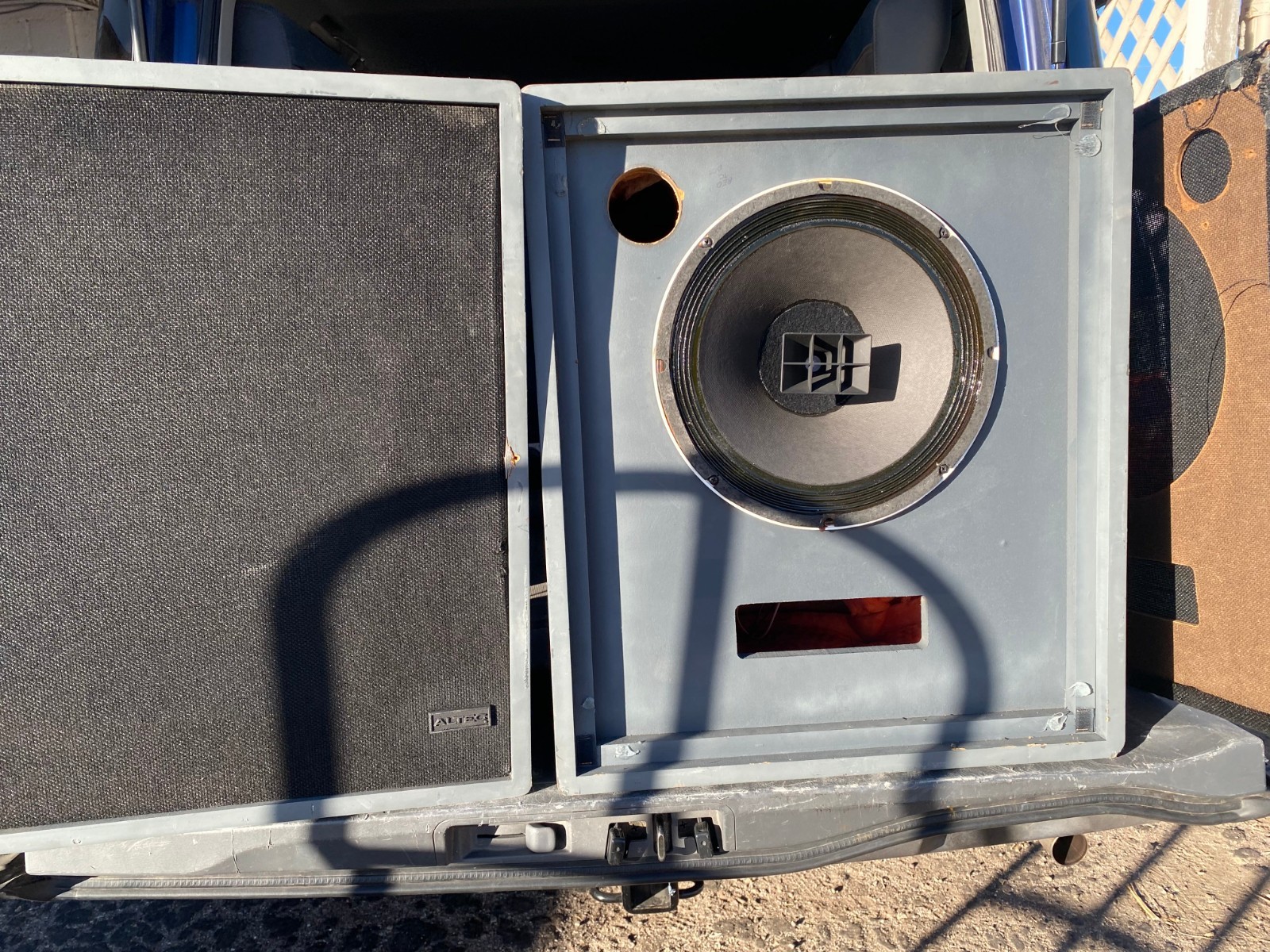
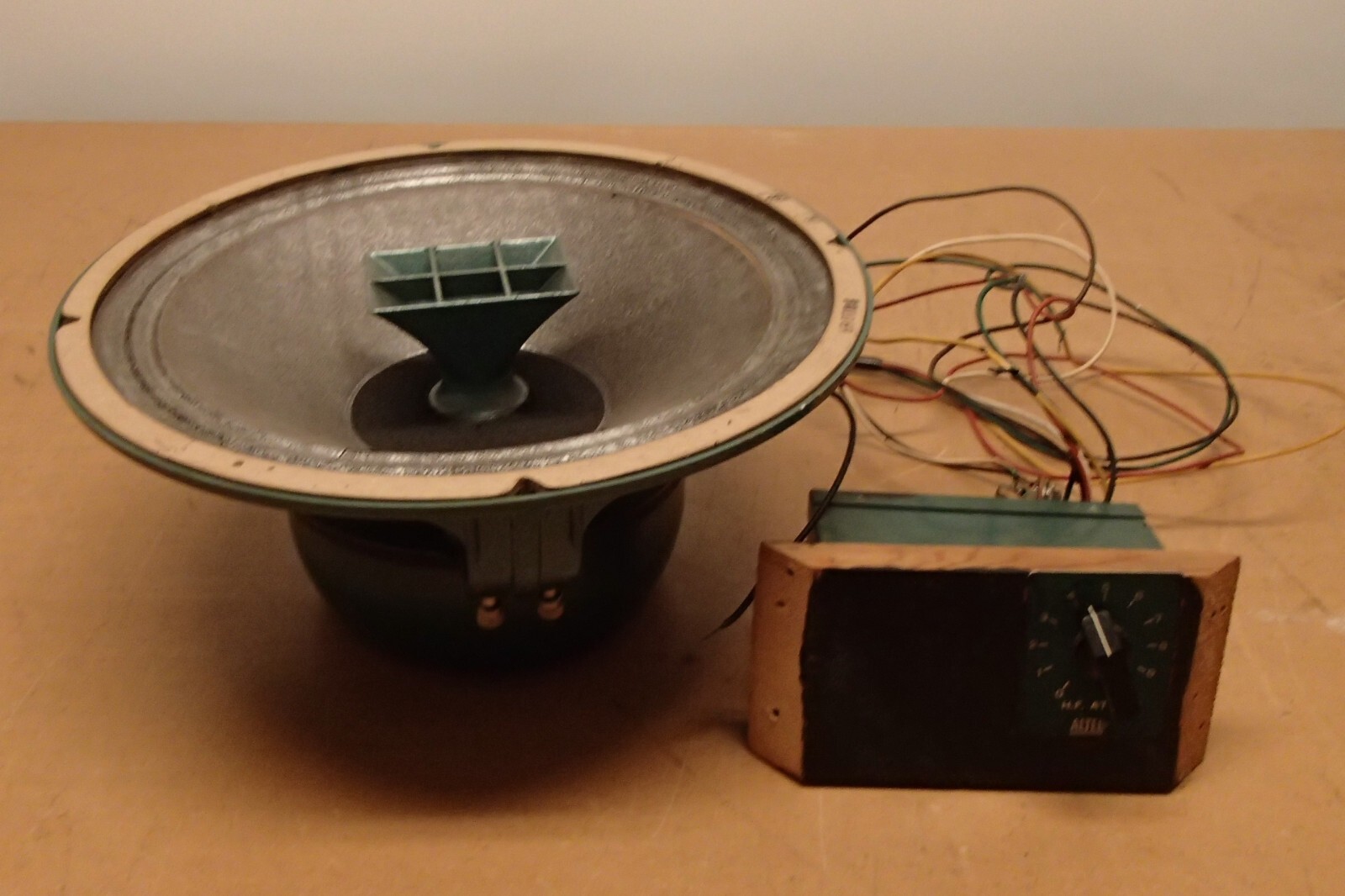
The Altec Lansing 601D is a classic professional monitor speaker developed in the 1950s as part of Altec's renowned 600 series. Designed for use in recording studios, broadcast facilities, and movie theaters, the 601D exemplifies the golden era of high-fidelity audio engineering. Featuring a dual-concentric driver layout centered around a variant of the legendary 604 Duplex driver, this speaker delivers a balanced, accurate sound signature with vintage warmth and clarity.
Despite being phased out in favor of later models like the 604E and 605, the 601D remains a sought-after collector’s item and a favorite among audiophiles who appreciate its studio-monitor heritage and robust construction.
Specifications
| Feature | Specification |
| Model | Lansing 601D |
| Brand | Altec |
| Year of Production | 1950s |
| Driver Configuration | Dual-concentric (15" woofer + horn tweeter) |
| Woofer | 15-inch paper cone with field coil or permanent magnet (depending on variant) |
| Tweeter | Large horn-loaded compression driver |
| Impedance | 16 ohms |
| Power Handling | 15–30 watts (optimized for tube amplifiers) |
| Sensitivity | ~95–98 dB (estimated) |
| Crossover | Built-in passive crossover |
| Enclosure | Solid wood cabinet with flared front baffle |
| Dimensions | Approx. 24" H × 16" W × 12" D |
| Weight | ~60 lbs per cabinet |
Historical Context
The Altec Lansing 601D was introduced during the early days of professional audio monitoring, serving as a direct predecessor to the legendary 604 series. It was engineered to meet the demanding requirements of broadcast and film sound reproduction, where accuracy and durability were paramount. The 601D utilized a refined version of the dual-concentric 604 driver technology, which placed the high-frequency compression driver at the center of the woofer’s pole piece, ensuring coherent wavefronts and precise imaging.
These speakers were commonly found in mid-century recording studios, radio stations, and movie theaters, where their ability to deliver clear midrange and extended highs made them an industry standard. The 601D’s design influenced generations of studio monitors and laid the foundation for Altec’s reputation in professional audio.
Sound Signature
The 601D is known for its:
- Clear and dynamic midrange: Ideal for vocal and instrumental clarity
- Detailed highs: Thanks to the large horn-loaded tweeter, delivering crisp yet non-fatiguing treble
- Warm, natural bass: The 15-inch woofer provides deep, resonant low end with vintage character
- Balanced overall response: With a slightly forward presence region, enhancing intelligibility
When paired with vintage tube amplifiers, the 601D produces a rich, organic sound that modern speakers often struggle to replicate. Its coherence and time alignment make it especially effective for critical listening and music reproduction from the 1950s–1970s.
Maintenance and Restoration Tips
Due to their age, Altec 601D speakers often require restoration to perform optimally. Common issues include:
- Aging crossover components: Paper capacitors and resistors may degrade. Consider replacing with modern equivalents while preserving original form factor.
- Worn foam surrounds: The woofer’s foam may disintegrate over time. Re-foaming or reconing by a specialist is recommended.
- Tweeter diaphragm fatigue: Inspect the compression driver for tears or distortion; reconing may be necessary.
- Cabinet integrity: Check for wood warping, veneer lifting, or insect damage. Refinishing or structural repair may be needed.
- Magnet weakening: Some early models used field-coil designs. Verify proper operation or consider conversion to permanent magnet if needed.
Pro Tips:
- Always use a tube amplifier with appropriate output impedance to match the 16-ohm load.
- Store in a dry, stable environment to prevent further aging.
- Retain original parts during restoration to preserve collectibility and value.
Collectibility and Market Value
The Altec Lansing 601D scores an 8/10 in collectibility due to its historical significance, limited production numbers, and strong reputation among vintage audio enthusiasts. Well-restored pairs in original condition can command premium prices.
- Market Value: $800–$1,500 per pair, depending on condition, originality, and provenance
- High-value units: Those with original drivers, untouched crossovers, and studio history may exceed $1,800
Collectors and audiophiles alike prize the 601D not only for its sound but also as a tangible piece of audio engineering history.
Conclusion
The Altec Lansing 601D stands as a milestone in professional loudspeaker design. Its innovative dual-concentric driver, studio-grade accuracy, and enduring build quality make it a timeless classic. Whether used as a vintage monitor, restored showpiece, or centerpiece of a classic audio system, the 601D continues to deliver a listening experience that bridges technical precision with musical soul.
eBay Listings


As an eBay Partner, we earn from qualifying purchases. This helps support our independent vintage technology research.
Related Models
- Altec 1224A
- Altec 1592A
- Altec 26420 (1975)
- Altec 288D (1975)
- Altec 288L (1975)
- Luxman L-530 (1975)
- Luxman R-404 (1975)
- Luxman RV-371 (1975)
- Luxman SQ-38U (1975)
- Luxman T-14 (1972)