Altec Lansing 808-8A (1970)
A high-power compression driver unit with a symbiotic diaphragm design, released in 1970 for professional audio applications.
Overview
The Altec Lansing 808-8A is a driver unit introduced in 1970, designed for use with high-efficiency horn systems. It features an advanced diaphragm assembly called Symbiotik, combining polyimide film and aluminum alloy for improved durability and performance. With an allowable input of 50W—about twice that of earlier models—it was built to handle demanding audio environments. The unit pairs specifically with the 511B and uses the N501-8A adaptive network to optimize response. It was adopted in systems like the A7 500, supporting wide-band playback when properly configured.
Specifications
| Frequency characteristic | 500 Hz to 20 kHz |
| Allowable input | 50W |
| Impedance | 8 Ω |
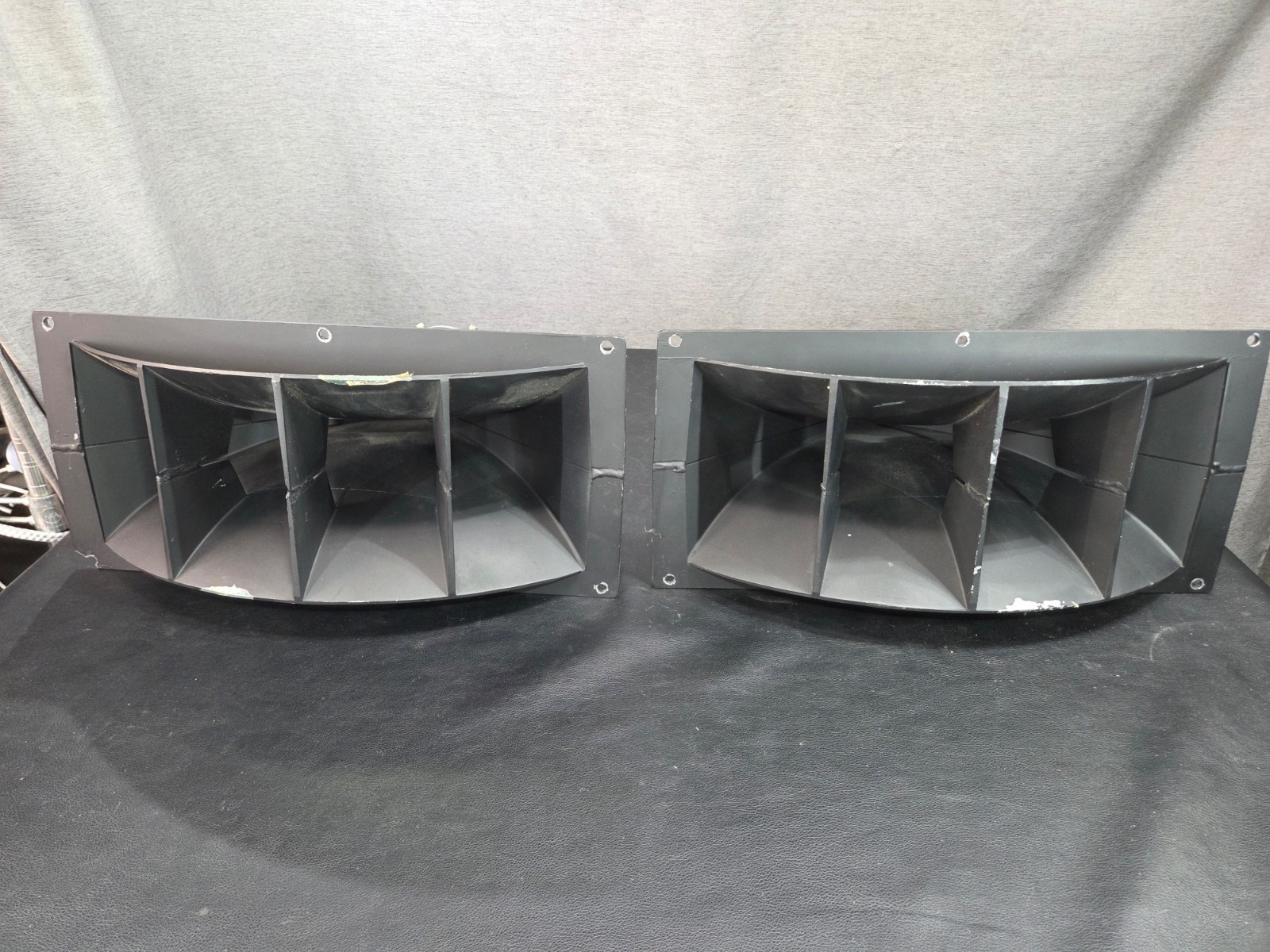
| Applicable Horn | 511B |
| Adaptive network | N501-8A Network |
| External dimensions Depth | 94 mm |
| Production years | Released in 1970 |
| Original price | ¥ 58,700 (1 unit) |
Design
The 808-8A uses a newly developed Symbiotik diaphragm, a composite assembly of polyimide film and aluminum alloy, designed for greater thermal and mechanical resilience. Its voice coil employs an edge-wise wound flat aluminum ribbon, contributing to higher power handling. The design allows approximately twice the input capacity of conventional drivers of its time, making it suitable for high-output applications.
Context
This driver unit was adopted in systems such as the A7 500, where it enabled wide-band playback when used with the 511B. Its integration into professional-grade setups highlights its role in high-fidelity sound reinforcement during the early 1970s.
Reception
eBay Listings


As an eBay Partner, we earn from qualifying purchases. This helps support our independent vintage technology research.