Akai GXC-325D: A Compact Workhorse of the Cassette Era
The mid-1980s were peak cassette—tape decks humming in living rooms, mixtapes passed like love letters, and home recording within reach of anyone with a turntable and a blank tape. Akai, already a trusted name in audio and video gear, didn’t try to win audiophiles with the GXC-325D. Instead, they built something better for most people: a no-frills, dual cassette deck that just worked. Reliable, straightforward, and built to last, the GXC-325D became the quiet backbone of countless bedroom studios and family entertainment centers.
Released in 1985, this unassuming machine arrived when cassette duplication was practically a cultural ritual. No Dolby, no quartz lock, no flashy displays—just two tape transports, a handful of buttons, and the satisfying mechanical clunk of a deck doing its job. It wasn’t competing with Nakamichi’s precision or Tandberg’s elegance. It was for students copying albums, parents recording kids’ piano recitals, or teens crafting the perfect mixtape. And in that role, it excelled.
Akai’s engineering shines in its simplicity. The GXC-325D feels solid without being flashy—a steel chassis under a rugged plastic shell, manual tape compartments that slide open with purpose, and a layout that puts function first. It’s the kind of device you could use daily for years and never think twice about—until you realized you’d made dozens of tapes without a single jam.
Technical Specifications
The GXC-325D is a true dual cassette deck: one transport for playback, one for recording, ready to copy tapes straight across with no external gear. It’s firmly positioned as an entry-level to mid-tier model, skipping high-end touches like noise reduction or precision motors in favor of affordability and reliability.
| Specification | Detail |
| Model | GXC-325D |
| Year of Release | 1985 |
| Type | Dual cassette deck |
| Tape Speed | 4.76 cm/s (1⅞ ips) |
| Recording System | AC bias |
| Playback/Recording Heads | Fixed single-layer ferrite |
| Erase Method | AC erase |
| Noise Reduction | None (no Dolby or dbx) |
| Motor Type | DC servo motor (single capstan) |
| Transport Controls | Manual (mechanical buttons) |
| Display | None (basic LED indicators only) |
| Inputs | 1 × Line In (RCA) |
| Outputs | 1 × Line Out (RCA) |
| Power Requirements | 120V AC, 60Hz (North American version) |
| Dimensions | Approx. 430 × 140 × 300 mm |
| Weight | 5.2 kg (11.5 lbs) |
| Build Quality | Steel chassis, plastic casing |
It handles standard Type I (Ferric) cassettes without issue but lacks the head alignment or circuitry for Type II (Chrome) or Type IV (Metal) tapes. Recording and playback support both mono and stereo, though stereo performance is modest—fixed head alignment and no calibration options keep fidelity functional rather than refined.
Sound Characteristics and Performance
Let’s be clear: the GXC-325D isn’t for audiophiles chasing flat frequency response or razor-sharp imaging. Its sound is clear, balanced, and honest—perfectly adequate for home use. Without Dolby or dbx, tape hiss is present, especially during quiet passages. Bass stays controlled but doesn’t punch; treble is smooth but not detailed. The single capstan and fixed head mean speed stability depends heavily on well-maintained belts and pinch rollers.
Yet in practice, it delivers. Play a commercial cassette, and the music comes through with warmth and presence. Record from a turntable, and the transfer captures the essence of the performance—no more, no less. Stereo separation is average, but not distractingly so. For the tasks it was built for—dubbing, radio recording, casual listening—it holds up remarkably well, especially when cleaned and serviced.
This wasn’t meant for critical listening. It was meant to work. And that it does, with a quiet consistency that made it a staple in homes where music mattered, but perfection didn’t.
Notable Features and Innovations
The GXC-325D doesn’t dazzle with specs, but its design speaks to real-world usability:
- Tape-to-Tape Dubbing: Drop a master tape in the left deck, a blank in the right, hit record and play—done.
- Manual Transport Controls: Tactile, clicky buttons for play, record, stop, and rewind. No flimsy touchpads, no auto-shutdown surprises.
- LED Indicators: Simple power and record lights—no guesswork.
- Line Input/Output: RCA jacks let you connect a turntable, tuner, or even a boombox.
- Compact Footprint: Fits neatly on a shelf or between a receiver and a CD player, even in tight setups.
The build reinforces the promise of durability. Steel internal framing resists warping and vibration, while the plastic casing absorbs bumps. Tape compartments open with a firm slide—no fragile motorized trays to strip gears. There’s no auto-reverse, pitch control, or timer programming, but that’s not the point. The GXC-325D does the basics, and it does them well.
Common Issues and Maintenance
Decades of shelf time take their toll. The GXC-325D, like any vintage deck, needs attention to run smoothly today. The usual suspects:
- Worn Drive Belts: Rubber degrades into sticky goo or brittle crumbs. Silicone replacements restore proper tension and speed.
- Pinch Roller Hardening: A glazed or hardened roller slips, causing wow or slow playback. Clean with alcohol or replace.
- Dirty or Clogged Heads: Oxide buildup mutes highs and dulls clarity. Clean regularly with isopropyl and a swab.
- Capstan Wear: The single capstan can develop grooves, affecting tape speed. Inspect and polish if needed.
- Mechanical Sticking: Dried lubricant gums up transport mechanisms. A careful re-lube keeps things moving freely.
The good news? The GXC-325D is a tinkerer’s friend. Its layout is logical, service access is straightforward, and replacement belts are easy to find. A full cleaning, demagnetization, and belt swap can bring a dusty unit back to life in an afternoon.
Current Market Value and Collectibility
This isn’t a grail machine. The Akai GXC-325D doesn’t command high prices or spark bidding wars. But it has its fans. Working units typically sell for $40 to $80, depending on condition and location.
Its value lies in nostalgia and utility. For those who grew up recording Top 40 hits off the radio or making mixtapes for long drives, the GXC-325D is a time capsule. For retro-tech hobbyists, it’s a repairable, functional piece of analog history—no rare parts, no proprietary nonsense.
It may not turn heads at a hi-fi show, but as an affordable, dependable entry into vintage cassette culture, the GXC-325D remains a smart pick.
Conclusion and Legacy
The Akai GXC-325D wasn’t built to impress. It was built to work. In an era before streaming, before digital playlists, it gave everyday people the power to record, share, and preserve music on their own terms. No studio needed. No expertise required.
It stands as a quiet symbol of accessible technology—unfussy, durable, and deeply human. For collectors, restorers, or anyone who remembers the click of a cassette snapping into place, the GXC-325D isn’t just a relic. It’s a working piece of memory, ready to spin another tape, make another copy, and keep the analog spirit alive.
eBay Listings

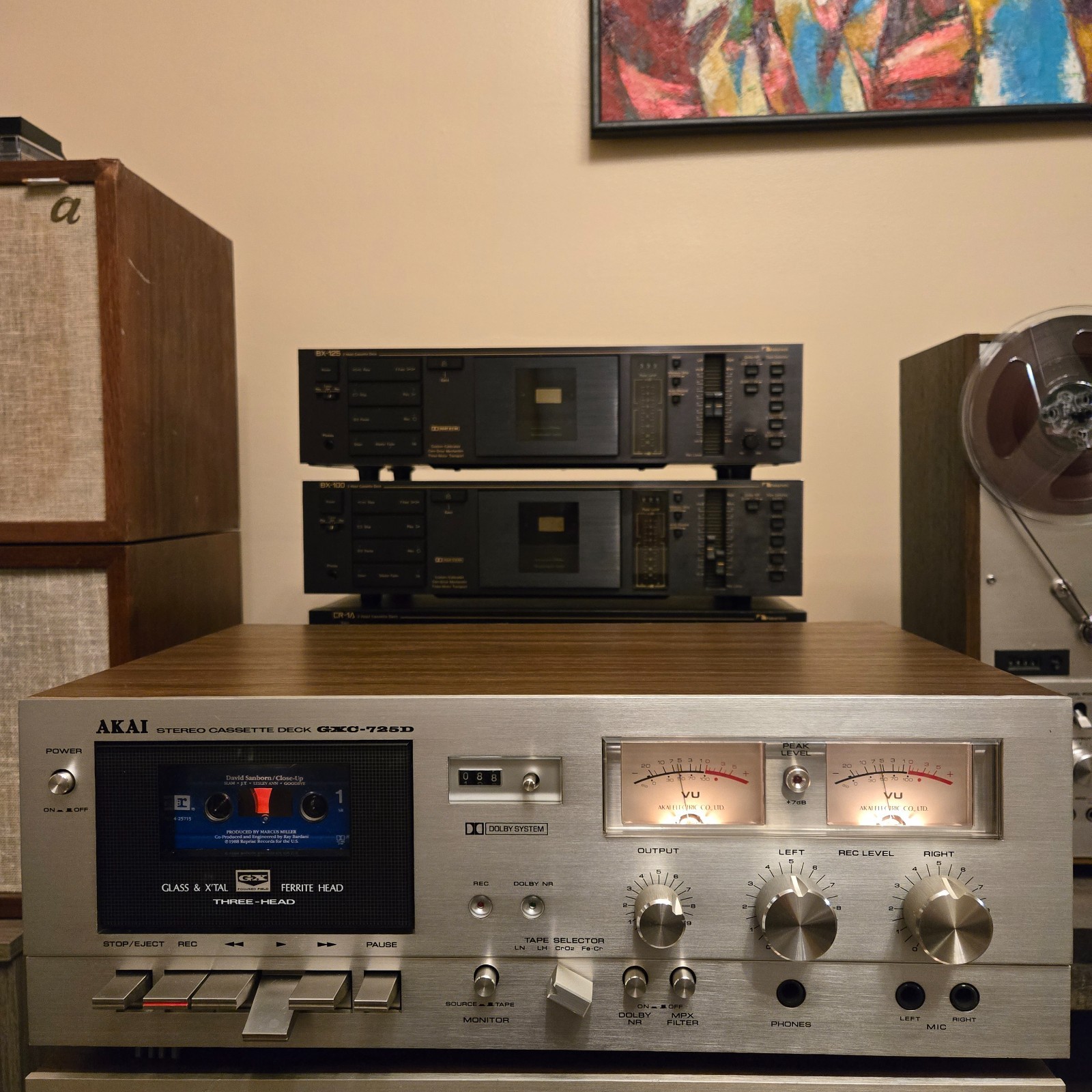
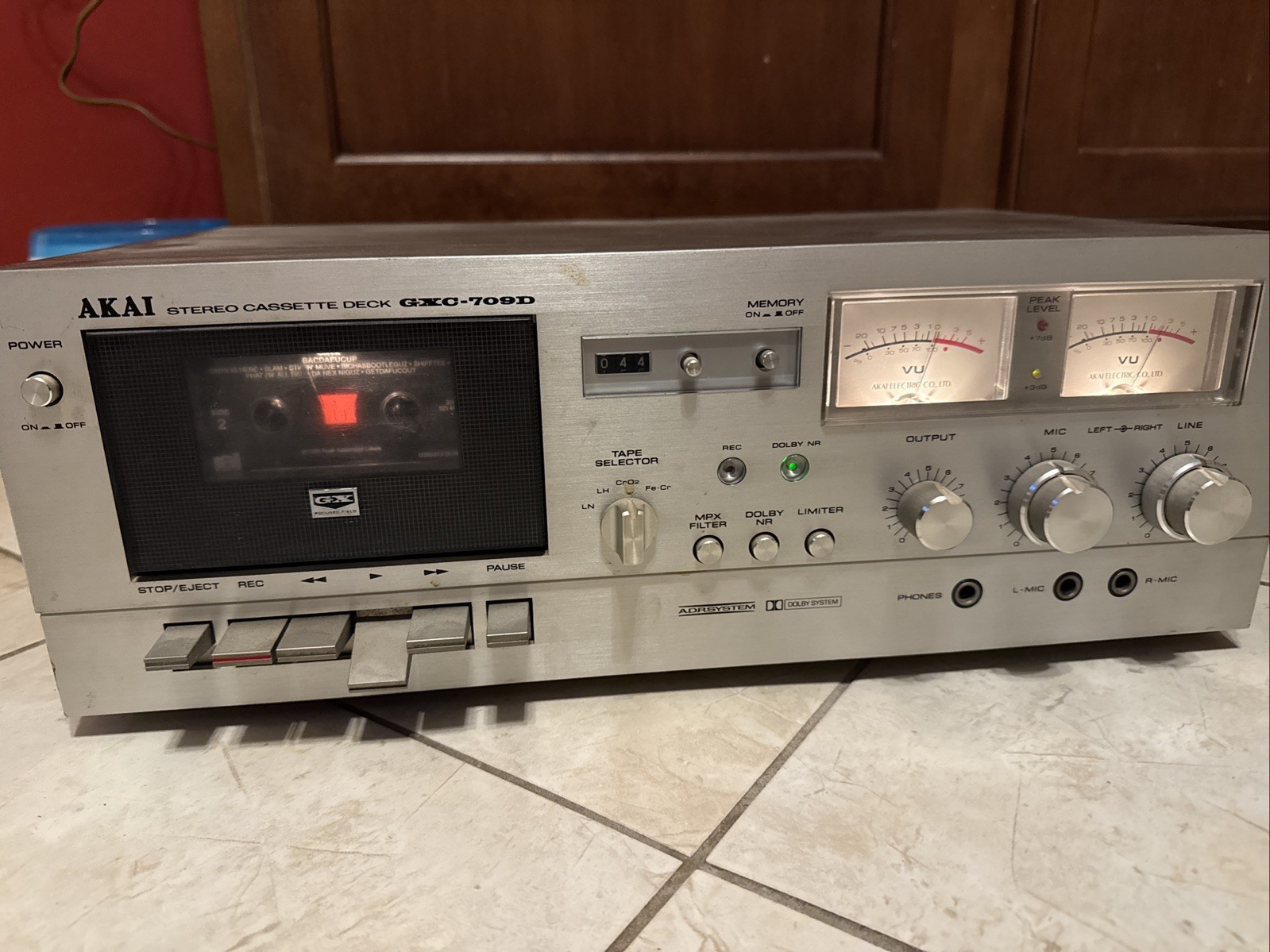
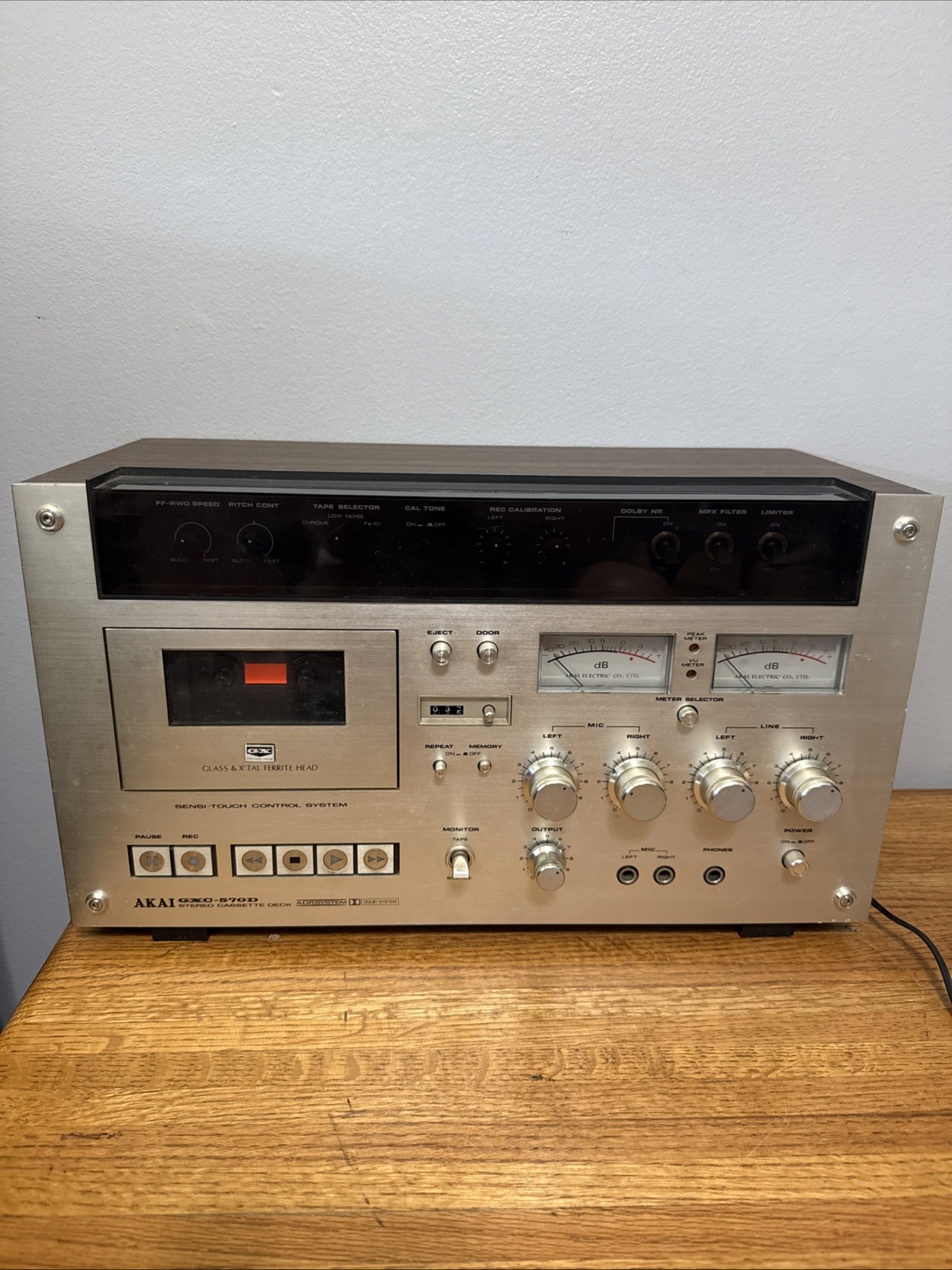
As an eBay Partner, we earn from qualifying purchases. This helps support our independent vintage technology research.
Related Models
- Akai CS-F33R (1985)
- Akai DX-59 (1983)
- Akai GX-280D-SS (1979)
- Akai DX-57 (1978)
- Akai AA-5200 (1978)
- Sony TC-2050SD (1978)
- Aiwa AD-F990 (1993)
- Kenwood KX-3060 (1982)
- Sony TC-2130A (1974)
- Sony TC-2220 (1972)