Akai AM-2400 Open-Reel Tape Head Demagnetizer: Preserving Analog Fidelity
In the golden era of analog audio, when reel-to-reel tape recorders were the benchmark for high-fidelity sound reproduction and professional recording, maintaining equipment was as crucial as the gear itself. Among the unsung heroes of tape deck maintenance stands the Akai AM-2400, a specialized open-reel tape head demagnetizer introduced by the Japanese electronics company Akai in the late 1970s. Though not a playback or recording device, the AM-2400 played a vital role in preserving the sonic integrity of reel-to-reel systems—making it an essential tool for audiophiles, broadcasters, and studio engineers of its time.
Historical Context: Akai and the Reel-to-Reel Era
Akai, founded in 1946, became a major force in the consumer and professional audio markets during the 1960s through the 1980s. Best known for its high-quality reel-to-reel tape recorders like the Akai GX-61D and M-8, Akai catered to both serious hobbyists and semi-professional users. As tape heads in these machines were made of magnetically permeable materials, they were prone to accumulating residual magnetism from repeated use. This buildup could distort audio signals, dull high frequencies, and introduce noise—degrading the very fidelity these machines were designed to deliver.
To combat this, demagnetizers—often called "degaussers"—were developed. The Akai AM-2400, released around 1978, was Akai’s dedicated solution for safely and effectively demagnetizing tape heads, capstans, and other metallic components in reel-to-reel decks. Unlike generic screwdriver-style demagnetizers, the AM-2400 was engineered specifically for audio applications, with controlled magnetic fields and ergonomic design to prevent accidental damage to sensitive tape heads.
Technical Specifications
The Akai AM-2400 is a mains-powered demagnetizing tool designed for precision and safety in audio equipment maintenance.
| Specification | Detail |
| Model | AM-2400 |
| Manufacturer | Akai Corporation, Japan |
| Year Introduced | 1978 |
| Type | Tape head demagnetizer (degausser) |
| Power Source | AC mains (110V or 220V, depending on region) |
| Magnetic Field Output | Low-frequency alternating field |
| Tip Design | Slim, tapered plastic-coated tip |
| Safety Features | Gradual field decay, non-magnetic housing |
| Weight | Approx. 250g (0.55 lbs) |
| Dimensions | 18 cm (L) × 3 cm (W) × 2.5 cm (H) |
| Compatible With | Reel-to-reel tape recorder heads, capstans, guides |
The device operates on standard household voltage and uses a coiled wire within a plastic housing to generate a diminishing alternating magnetic field. When powered, the user slowly brings the AM-2400 close to the tape head, moves it in small circular motions, and then slowly withdraws it—allowing the decaying field to neutralize residual magnetism without re-magnetizing components.
How It Works: The Science of Degaussing
Tape heads are typically made from ferrite or permalloy, materials that can retain magnetic charge over time. As analog tape passes over the head, it leaves behind microscopic magnetic residues. Over weeks or months, this buildup can cause:
- Loss of high-frequency response
- Increased print-through and crosstalk
- Uneven channel balance
- Audible distortion
The Akai AM-2400 counteracts this by applying a strong, alternating magnetic field that randomizes the magnetic domains in the head’s core. As the user slowly pulls the demagnetizer away, the field strength decreases in a controlled manner, leaving the head in a neutral magnetic state—like hitting a "reset" button for magnetic alignment.
Its plastic-coated tip ensures no physical contact or scratching of delicate head surfaces, while the ergonomic shape allows for precise handling. The AM-2400 was often used in conjunction with Akai’s own reel-to-reel decks, though it was equally effective on machines from Sony, TEAC, Tandberg, and Revox.
Notable Features and Design
While simple in function, the AM-2400 stands out for its thoughtful engineering:
- Controlled Field Decay: Unlike cheaper demagnetizers that could leave components magnetized if withdrawn too quickly, the AM-2400’s internal circuitry ensures a smooth decay of the magnetic field, minimizing risk.
- Region-Specific Voltage Compatibility: Units were produced for both 110V (North America/Japan) and 220V (Europe/UK) markets, often indicated by labeling on the base.
- Durable Build Quality: Housed in high-impact plastic with a reinforced cord, the AM-2400 was built to last in both home and studio environments.
- Visual Indicator: A small pilot light confirms when the unit is powered and active, helping users time the demagnetization process correctly.
Despite its utilitarian purpose, the AM-2400 carries the clean, functional aesthetic typical of Akai’s late-1970s design language—sleek, minimalist, and clearly labeled.
Common Issues and Maintenance
Given its simple construction, the Akai AM-2400 is remarkably reliable. However, a few issues may arise with age:
- Frayed Power Cord: After decades of use, the insulated cord can crack or expose wires. Replacement with a modern, polarized cord is recommended for safety.
- Failed Internal Coil: Rare, but possible. If the unit powers on but produces no magnetic effect, the coil may be broken.
- Loss of Pilot Light: The small indicator bulb may burn out, though this doesn’t affect functionality.
Safety Note: Always ensure the reel-to-reel deck is powered off and disconnected before using the AM-2400. Never pass the demagnetizer over a powered machine, as this can induce currents and damage electronics.
For best results, demagnetize tape heads every 50–100 hours of playback or recording. The process takes less than a minute and can dramatically restore clarity and dynamic range.
Market Value and Collectibility
The Akai AM-2400 is not a mainstream collectible like a vintage receiver or turntable, but it holds niche value among analog audio enthusiasts. As reel-to-reel machines experience a resurgence—driven by vinyl revival and interest in analog warmth—tools like the AM-2400 are increasingly sought after.
- Current Market Value: $40–$80 USD, depending on condition and region
- Rarity: Moderate—more common in Japan and Europe than in North America
- Collector Appeal: High among reel-to-reel owners and restoration specialists
- Modern Alternatives: While modern degaussers exist, many prefer vintage tools like the AM-2400 for their proven reliability and period-correct authenticity
Units with original packaging, manuals, or matching voltage for the buyer’s region command premium prices.
Legacy and Final Thoughts
The Akai AM-2400 may not produce sound, but it plays a critical role in ensuring that vintage audio gear sounds its best. In an age where every component of a playback chain is scrutinized for fidelity, the humble demagnetizer is often overlooked—yet its impact is profound. A well-demagnetized tape head can restore brilliance to cymbals, clarity to vocals, and depth to bass lines, breathing new life into classic recordings.
For owners of Akai, TEAC, or other high-end reel-to-reel decks, the AM-2400 is more than a maintenance tool—it’s a guardian of analog purity. Its presence in a studio or listening room speaks to a dedication to detail, a respect for the medium, and an understanding that true high fidelity begins not just with playback, but with preparation.
Today, the Akai AM-2400 stands as a quiet testament to Akai’s commitment to the entire analog ecosystem—not just the machines that record and play, but the tools that preserve them. For those keeping reel-to-reel alive, it remains a trusted companion, silently ensuring that every tape spins with the clarity it deserves.
eBay Listings
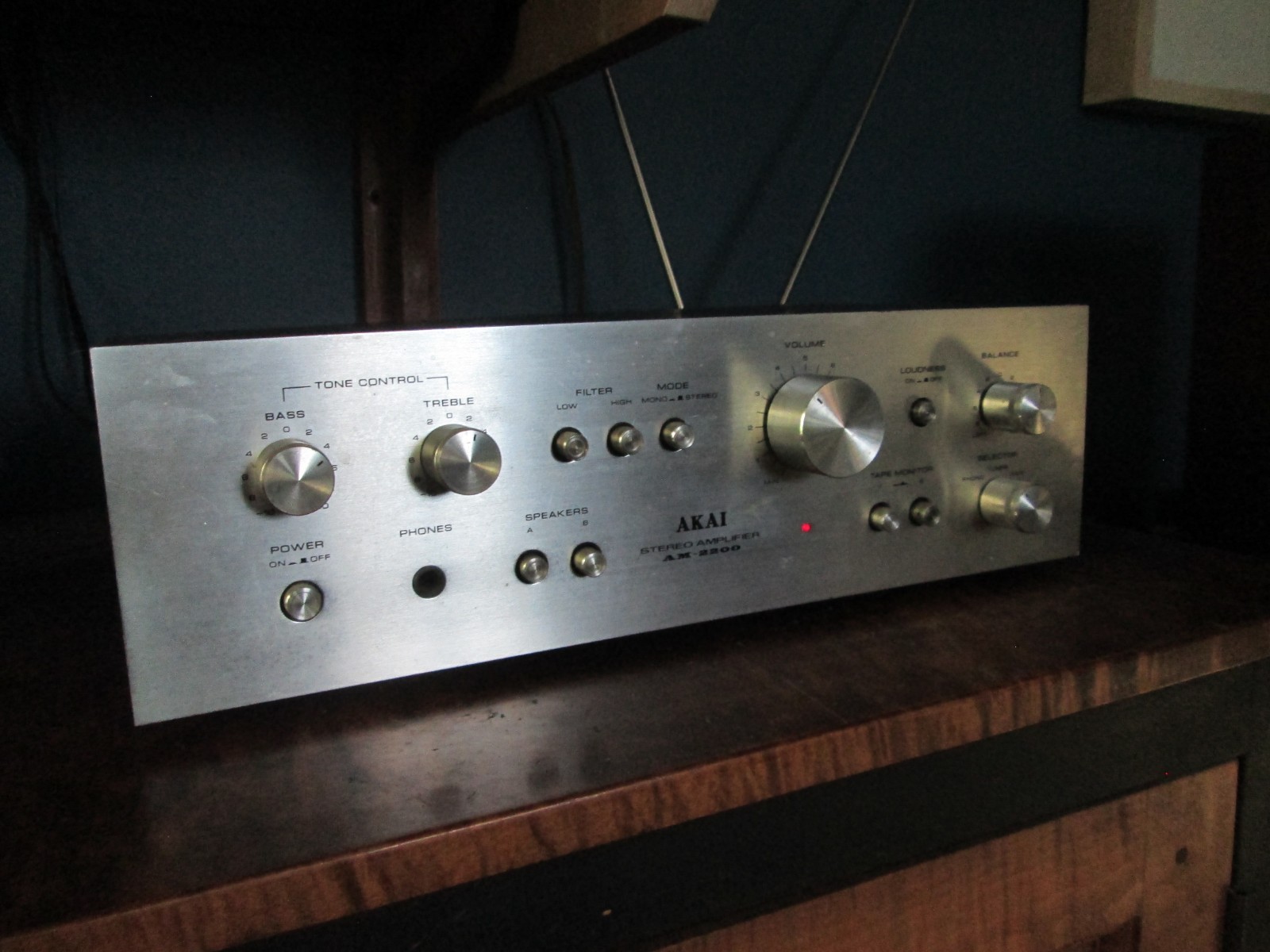
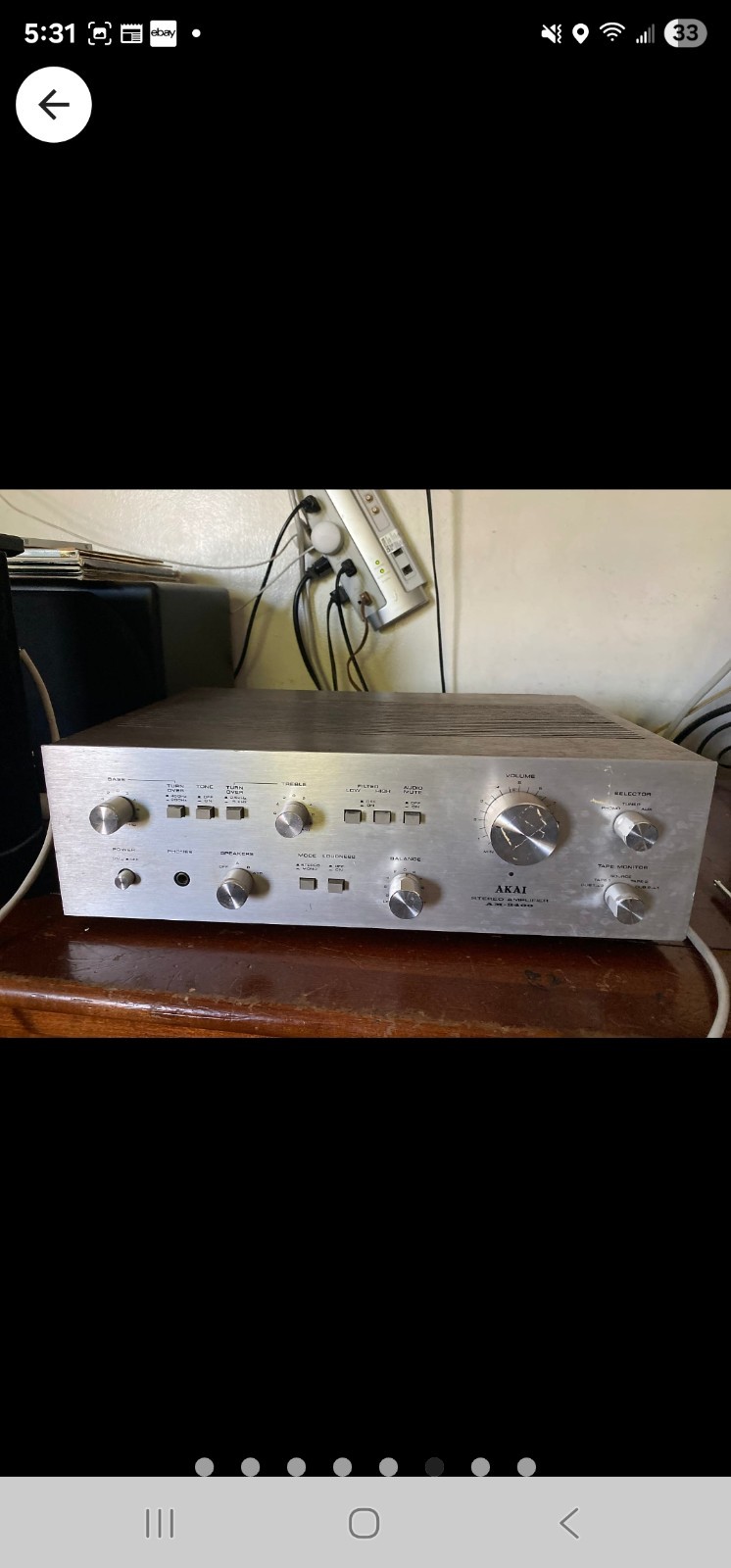
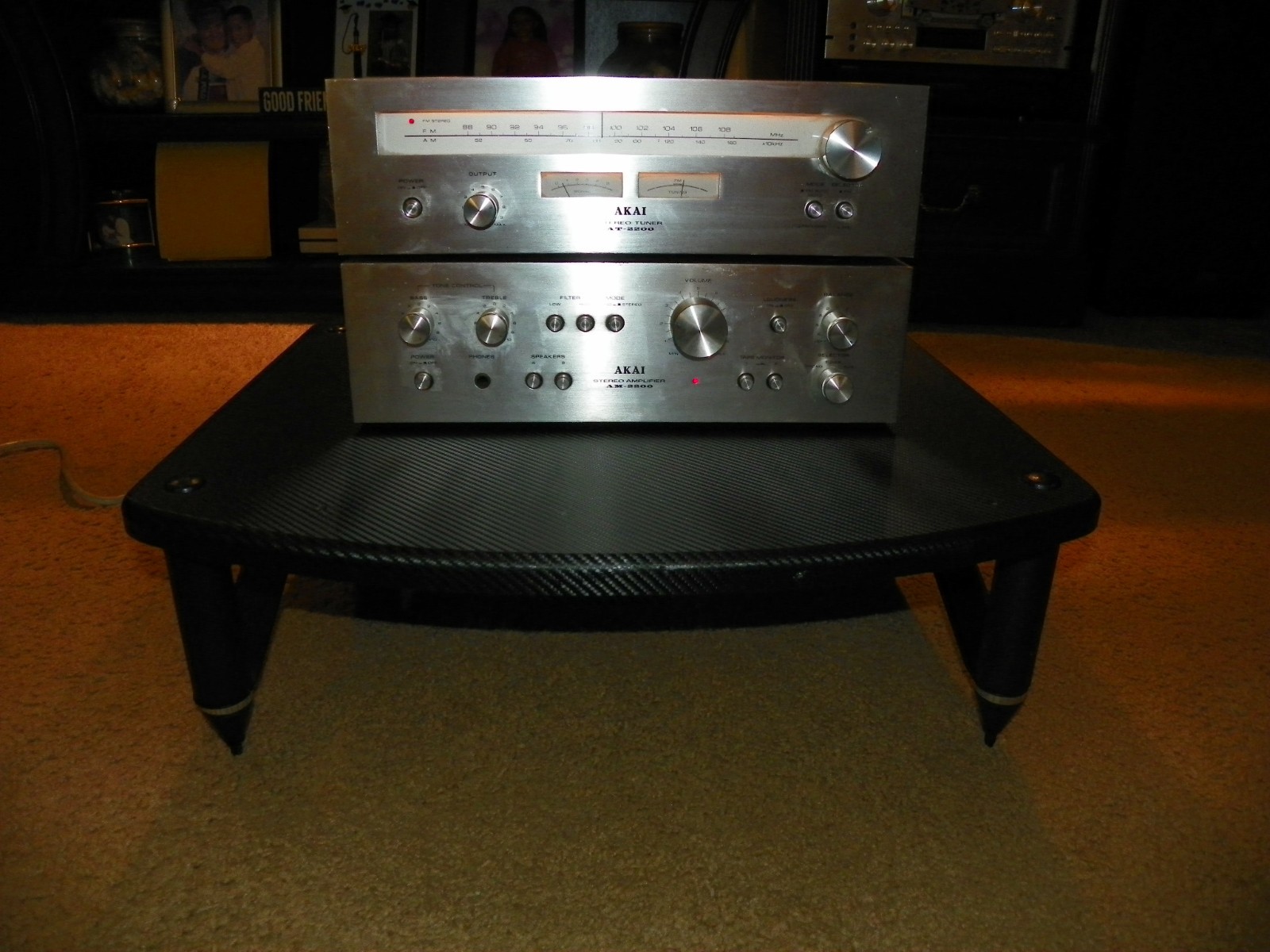
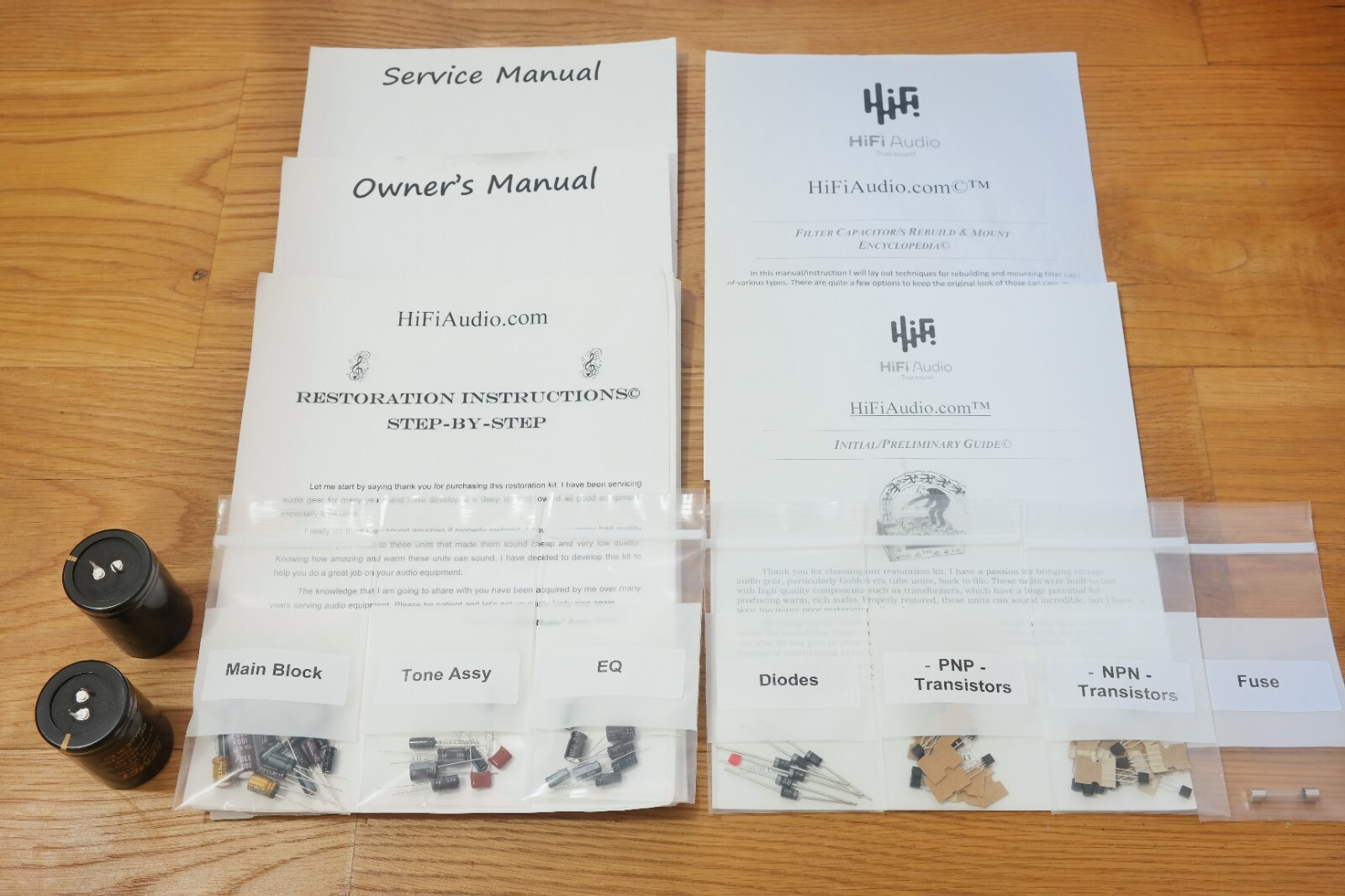
As an eBay Partner, we earn from qualifying purchases. This helps support our independent vintage technology research.
Service Manuals & Schematics
- Schematic — archive.org
Related Models
- Akai AM-2850 (1975)
- Akai AP-206 (1975)
- Akai AM-2450 (1978)
- Akai CS-M40R (1983)
- Akai GX-F66RC (1981)
- Nakamichi BX-1 (1985)
- Acoustic Research research-ar-17 (1978)
- Acoustic Research AR-19 (1994)
- Acoustic Research AR-1W (1954)
- Acoustic Research AR-28S (1992)