Akai AA-R30: The Forgotten Gem of 1970s Active Speaker Design
In the late 1970s, Japanese electronics manufacturers were pushing the boundaries of audio innovation, experimenting with new form factors, integrated systems, and forward-thinking designs. Among these pioneers was Akai, a company better known for its reel-to-reel tape recorders and later, cassette decks. Yet nestled within their diverse product catalog lies a lesser-known but fascinating piece of audio history: the Akai AA-R30, a compact active speaker system that stands out as an early example of integrated amplifier and driver design in a bookshelf format.
Though not as widely recognized as contemporaries from Technics, Sony, or Pioneer, the AA-R30 represents a bold step in the evolution of active speaker technology. At a time when passive bookshelf speakers dominated the market, Akai dared to integrate amplification directly into the speaker enclosure—foreshadowing trends that wouldn’t become mainstream for decades.
Technical Specifications
The Akai AA-R30 was designed as a self-contained active speaker, meaning each unit housed its own built-in amplifier. This configuration allowed for optimized driver-amplifier matching and eliminated the need for an external receiver in certain setups. While detailed service manuals and schematics are scarce today, surviving units and user reports have allowed for a reconstruction of its core specifications.
| Specification | Detail |
| Model | Akai AA-R30 |
| Year of Release | 1978 |
| Type | Active bookshelf speaker (single unit) |
| Configuration | Single-driver with passive radiator |
| Driver Size | 4.5 inches (115 mm) |
| Amplifier Output | ~8 watts RMS per speaker (estimated) |
| Frequency Response | 80 Hz – 18 kHz (approximate) |
| Inputs | RCA line-level input |
| Power Source | AC mains (110V/220V, region-dependent) |
| Enclosure Material | Medium-density fiberboard (MDF) with woodgrain vinyl |
| Dimensions (H×W×D) | 23 cm × 15 cm × 16 cm (9.1" × 5.9" × 6.3") |
| Weight | ~3.5 kg (7.7 lbs) per unit |
| Special Features | Built-in crossover, passive radiator, dual-position bass switch |
One of the most notable aspects of the AA-R30 is its use of a passive radiator—a design choice uncommon in consumer speakers of the era, especially at this size and price point. This allowed for enhanced bass response without the need for a port, reducing wind noise and enabling tighter enclosure design.
Each speaker operated independently, requiring its own power connection and line-level input. This meant users needed two units and a preamp or source with dual outputs to achieve stereo sound—a setup that was somewhat ahead of its time but limited in practicality for average consumers.
Sound Characteristics and Performance
The AA-R30 delivers a warm, intimate sound signature that reflects the audio aesthetic of the late 1970s. With its modest 8-watt amplifier and 4.5-inch driver, it’s not built for high volume or deep sub-bass, but it excels in near-field listening environments—perfect for a bedroom, study, or small apartment.
The frequency response is naturally rolled off below 80 Hz, but the passive radiator helps extend bass presence in a surprisingly full way for such a compact cabinet. Midrange clarity is a standout feature, with vocals and acoustic instruments rendered with a smooth, slightly lush character. Highs are rolled off gently above 15 kHz, avoiding harshness and contributing to a fatigue-free listening experience.
Because the amplifier is built directly into the speaker, the AA-R30 benefits from direct driver control and minimized signal path—resulting in tight transient response and good imaging for a single-driver system. However, the lack of a dedicated tweeter means stereo imaging lacks the precision of modern two-way designs.
These speakers were likely intended to be paired with Akai’s own tuners or tape decks of the era, creating a cohesive, space-saving audio system for younger buyers or those with limited living space.
Notable Features and Innovations
The AA-R30 was more than just a speaker—it was a statement of integrated design philosophy. At a time when most consumers relied on separate components, Akai’s decision to build amplification into the speaker enclosure was forward-thinking. This approach anticipated the modern era of powered monitors and active speakers now common in studio and hi-fi environments.
Other innovative features include:
- Dual-position bass switch: A small toggle on the rear panel allows users to adjust bass response depending on placement (e.g., near-wall vs. free-standing), a rare feature in consumer speakers of the 1970s.
- RCA line input: Unlike later powered speakers that sometimes used proprietary connections, the AA-R30 used standard RCA, ensuring compatibility with a wide range of sources.
- Minimalist aesthetic: The AA-R30 features clean lines, a simple front baffle, and a woodgrain vinyl finish typical of the era. Its compact size made it ideal for shelf or desktop use.
While not marketed as a “studio monitor,” the AA-R30’s design principles—direct amplification, compact size, and clarity—echo those of professional near-field monitors, suggesting Akai may have drawn inspiration from their professional audio lineage.
Common Issues and Maintenance
Due to their age and relative rarity, surviving AA-R30 units require careful evaluation before use. Common issues include:
- Capacitor degradation: The internal amplifier uses electrolytic capacitors that degrade over time, potentially causing hum, distortion, or complete failure. A full recapping is recommended for long-term reliability.
- Driver surround disintegration: The foam surrounds on the 4.5-inch drivers are prone to drying and crumbling after 40+ years. Replacement foam kits are not commercially available, but custom restoration is possible.
- Power supply compatibility: Units originally sold in Japan used 100V AC, while export models used 110V or 220V. Using a step-down transformer may be necessary for safe operation outside their original market.
- RCA input wear: The input jacks can become loose or intermittent; resoldering or replacement is often needed.
Enthusiasts are advised to inspect units thoroughly and consider professional restoration, especially if used regularly. Given the lack of official service documentation, troubleshooting often requires reverse-engineering.
Current Market Value and Collectibility
The Akai AA-R30 remains a niche item with limited presence in the vintage audio market. It is not widely collected, but interest is growing among enthusiasts of obscure Japanese audio gear and early active speaker designs.
In working condition, a single AA-R30 typically sells for $75–$120, with complete stereo pairs commanding $180–$250. Units with original packaging, cables, or matching serial numbers are rare and may fetch higher prices among completists.
While not a high-value collectible like vintage receivers or tube amplifiers, the AA-R30 holds appeal for:
- Design historians interested in 1970s Japanese industrial design
- Audiophiles exploring early active speaker technology
- Restorers seeking unique challenges
Its scarcity and innovative nature make it a conversation piece and a testament to Akai’s willingness to experiment beyond their core product lines.
Conclusion and Legacy
The Akai AA-R30 may not have been a commercial blockbuster, but it occupies a unique space in audio history. As one of the earliest consumer active speakers from a major Japanese brand, it represents a bridge between the component era and the integrated systems that would later dominate home and studio audio.
Though overshadowed by Akai’s more famous tape recorders, the AA-R30 deserves recognition for its thoughtful engineering, compact elegance, and forward-looking design. For the vintage audio enthusiast, it offers not just sound, but a glimpse into a moment of quiet innovation—when a company best known for recording technology dared to rethink how we listen.
Today, the AA-R30 stands as a quiet pioneer: unassuming, rare, and full of character—a true hidden gem of the late 1970s audio landscape.
eBay Listings
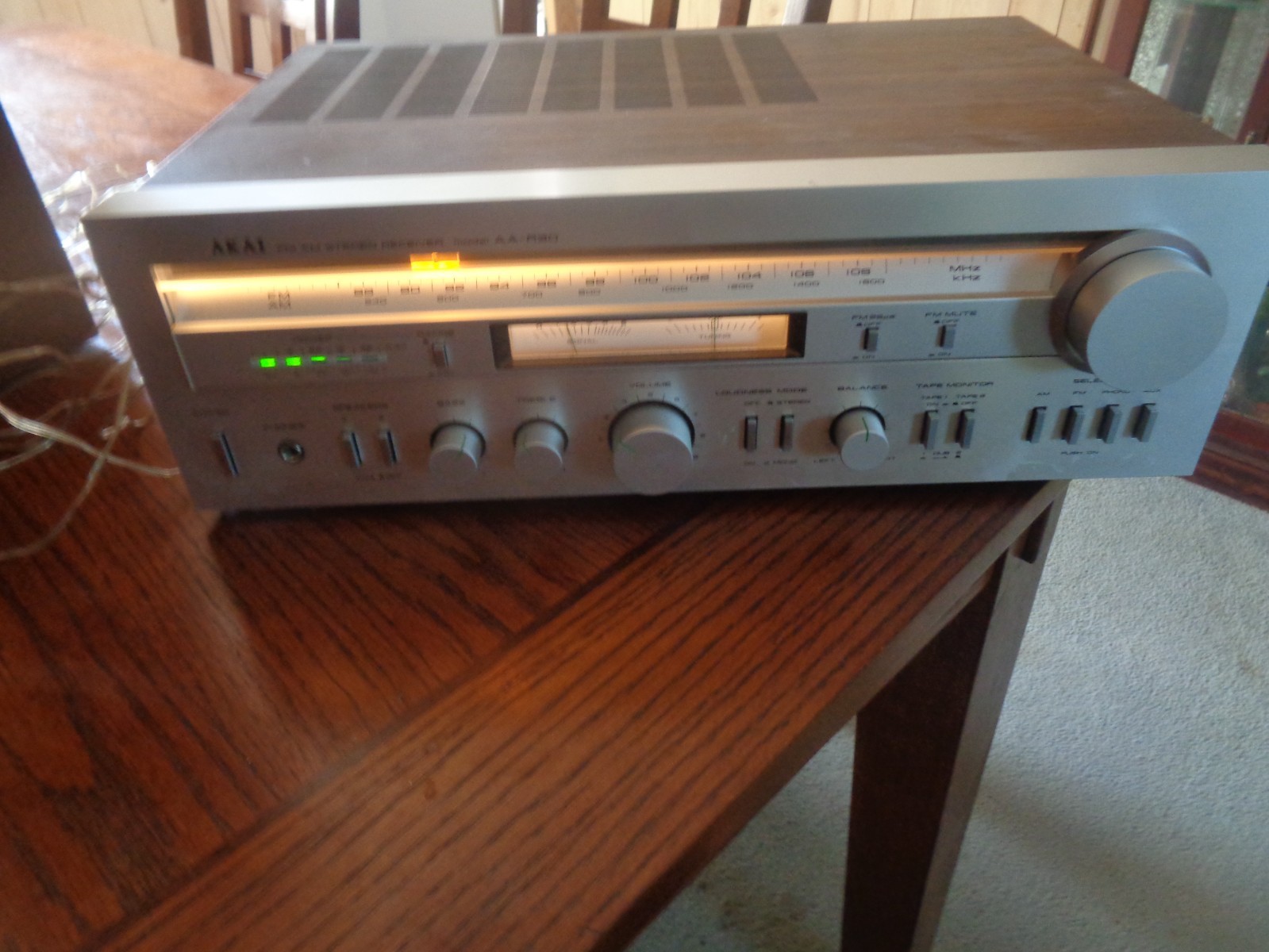
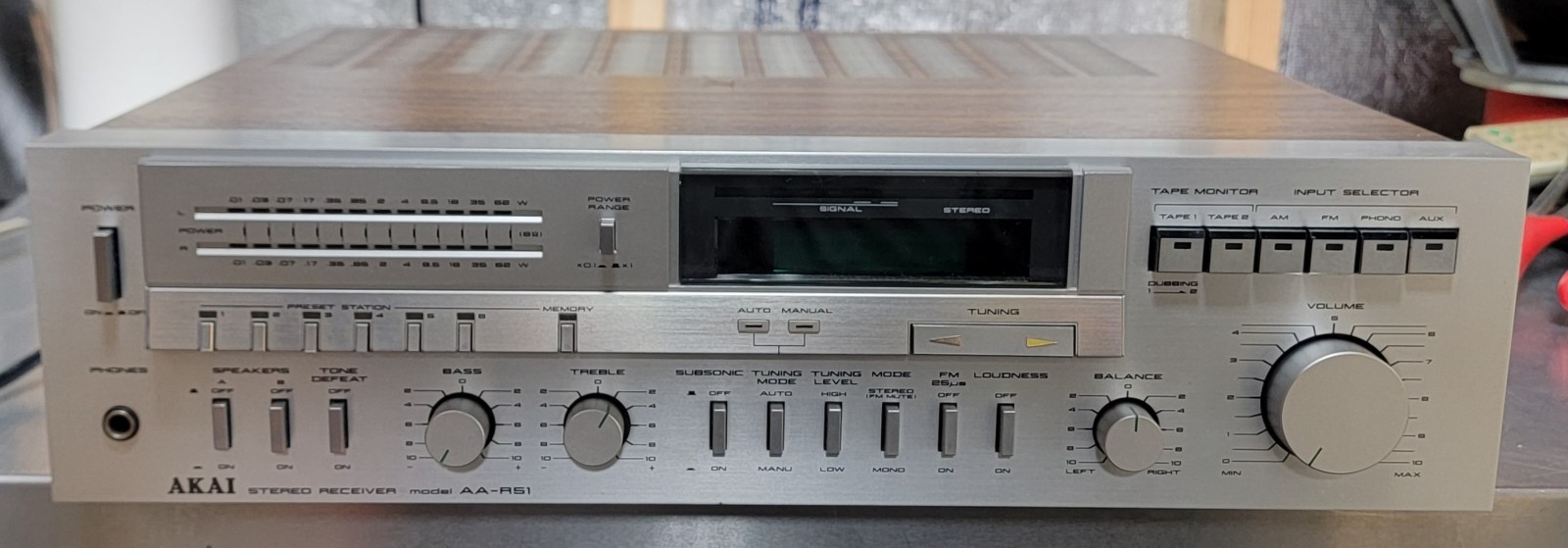

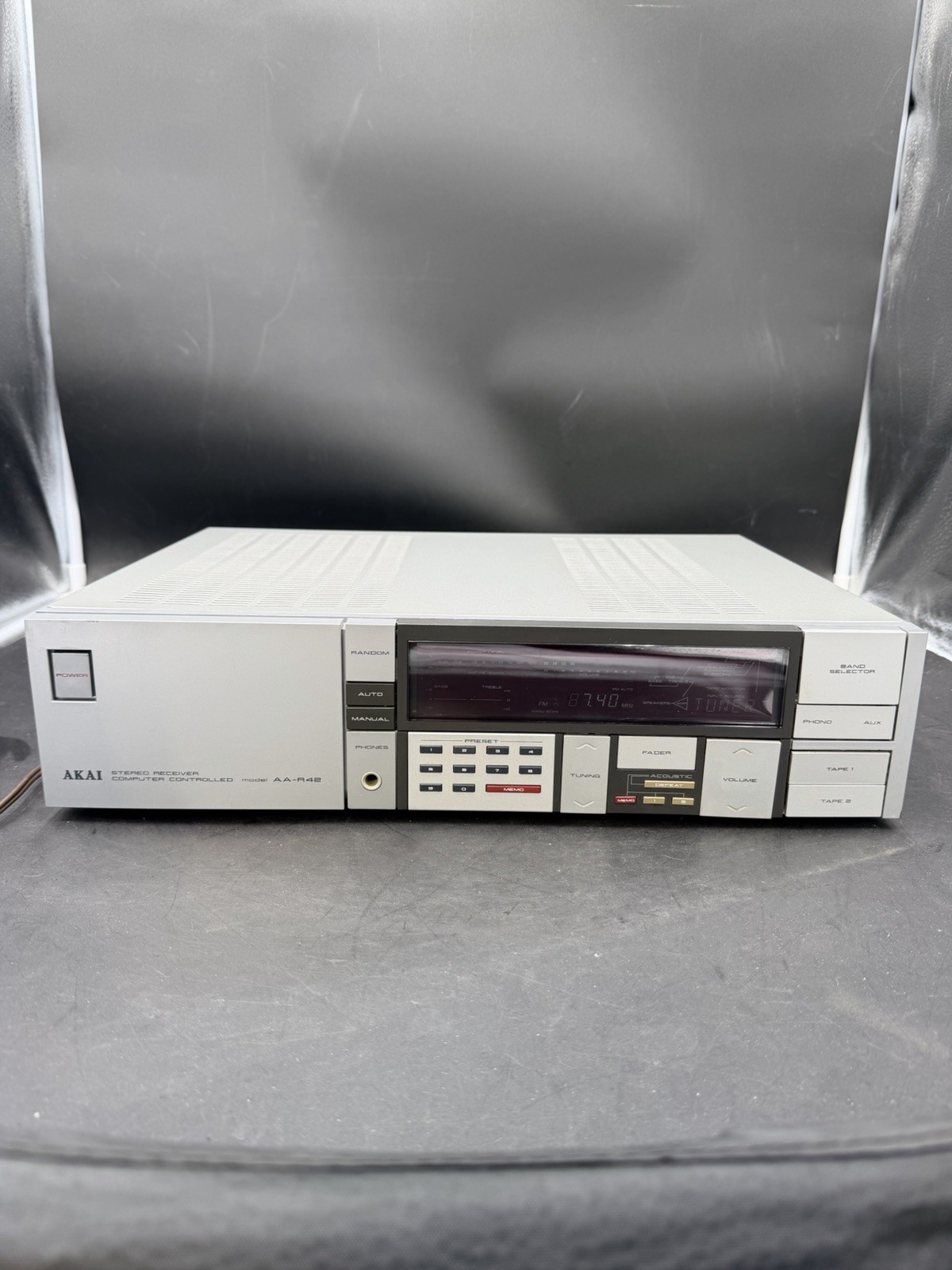
As an eBay Partner, we earn from qualifying purchases. This helps support our independent vintage technology research.
Service Manuals & Schematics
- Schematic — archive.org
Related Models
- Akai AM-2850 (1975)
- Akai AP-206 (1975)
- Akai AM-2450 (1978)
- Akai CS-M40R (1983)
- Akai GX-F66RC (1981)
- Nakamichi BX-1 (1985)
- Acoustic Research research-ar-17 (1978)
- Acoustic Research AR-19 (1994)
- Acoustic Research AR-1W (1954)
- Acoustic Research AR-28S (1992)