Akai AA-6100: The Unsung Workhorse of 1970s Cassette Fidelity
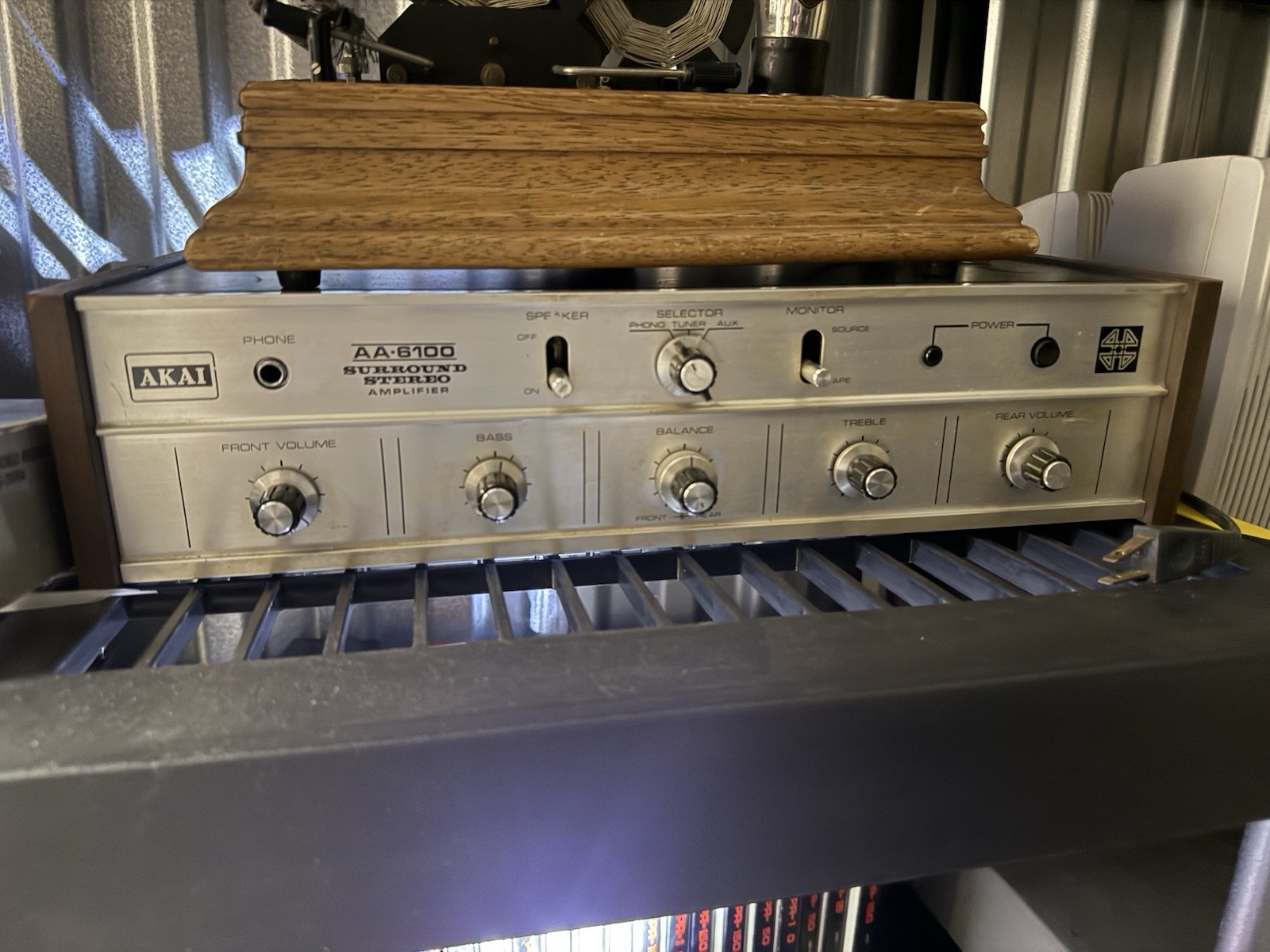
In the late 1970s, as cassette technology matured from a portable dictation format into a serious medium for high-fidelity home audio, Japanese manufacturers like Akai, Sony, and TEAC were at the forefront of innovation. Among Akai’s lineup of cassette decks, the AA-6100 stands as a quiet achiever—a dual-tray, auto-reverse cassette deck that brought convenience, solid engineering, and warm analog performance to the living rooms of audiophiles and casual listeners alike. While not as celebrated as some of its contemporaries from Nakamichi or Revox, the Akai AA-6100 carved out a niche as a reliable, user-friendly machine built for everyday enjoyment.
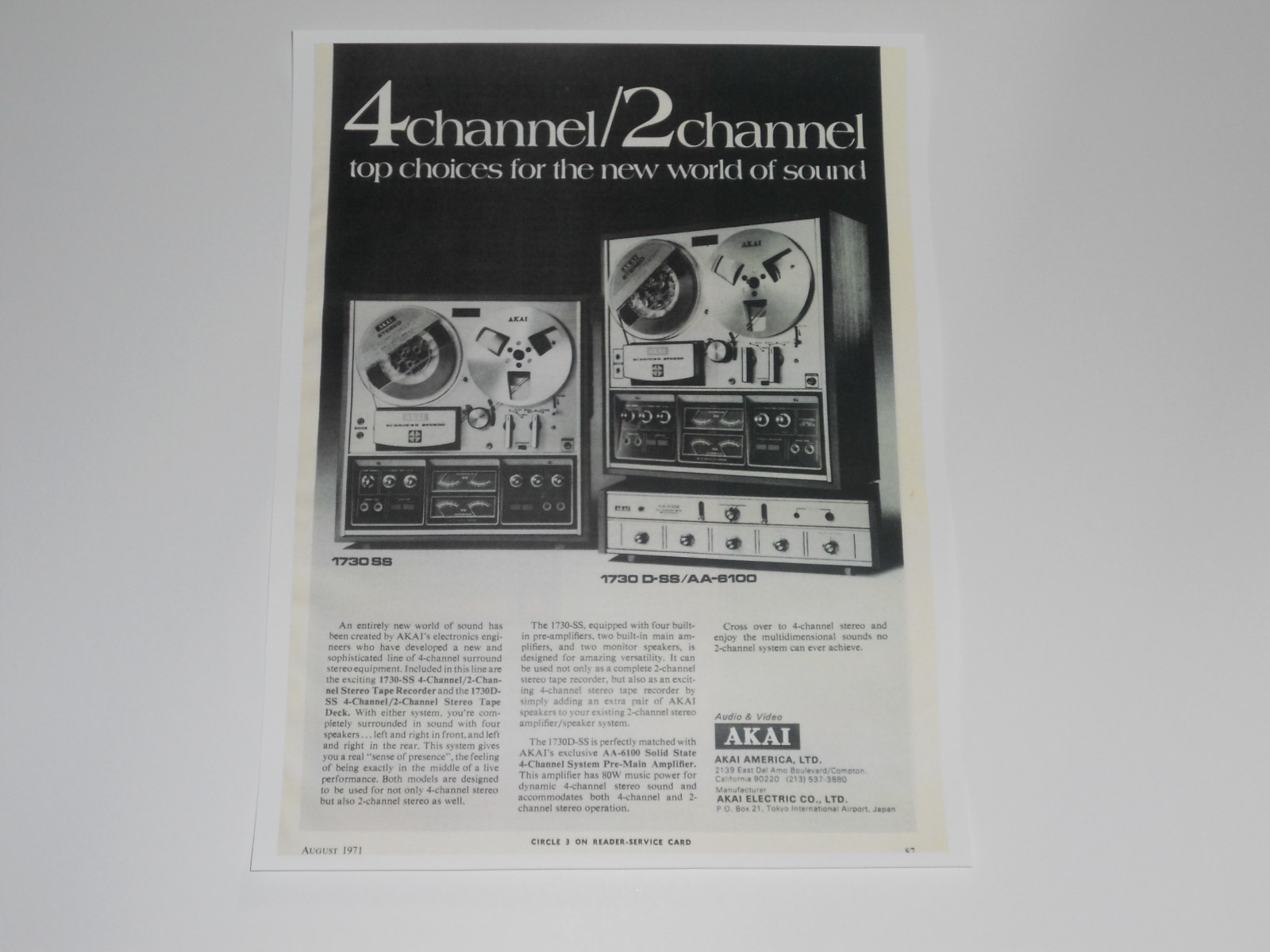
Though detailed technical documentation on the AA-6100 is scarce today, surviving units and user recollections paint a picture of a well-constructed deck designed for durability and ease of use. Released around 1978, the AA-6100 arrived during a golden era for cassette decks—when Dolby B noise reduction was becoming standard, tape formulations were improving, and consumers were beginning to trust cassettes as a legitimate format for music reproduction.
Unlike Akai’s more professional or high-end models like the GX-635D or the legendary GXC-65, the AA-6100 was positioned as a consumer-grade dual-deck recorder, ideal for tape duplication, radio time-shifting, and building personal music libraries. Its dual-tray design allowed users to copy tapes without flipping or swapping machines—a feature that was both practical and ahead of its time for home users.
Technical Specifications
| Specification | Detail |
| Model | Akai AA-6100 |
| Year Introduced | 1978 |
| Type | Dual-tray cassette deck |
| Recording Tracks | 2-track, stereo |
| Tape Speed | 1⅞ ips (4.76 cm/s) |
| Playback Modes | Play, Record, Stop, Rewind, Fast Forward |
| Noise Reduction | Dolby B (likely) |
| Auto-Reverse | Yes (per tray) |
| Recording Bias | Normal (Type I tape) |
| Head Configuration | Single play/record head per deck? |
| Motor Type | Likely DC servo or dual capstan |
| Display | Basic mechanical counter, LED indicators |
| Inputs/Outputs | Line In (RCA), Line Out (RCA) |
| Power Requirements | 120V AC, 60Hz (North American version) |
| Dimensions | Approx. 430 x 140 x 330 mm (WxHxD) |
| Weight | Approx. 8.5 kg (18.7 lbs) |
Note: Due to limited surviving documentation, some specifications are inferred based on typical design practices for Akai dual-deck units of this era.
The AA-6100 featured two independent cassette trays, each capable of playback and recording, with auto-reverse functionality—meaning each side of a tape could be played or recorded without manual intervention. This was a significant convenience for users creating mixtapes or copying LPs to cassette. While the exact head configuration is unclear (some dual-deck units used a single head per deck, others had separate erase and record heads), the sound quality was typical of Akai’s engineering: clean, warm, and well-balanced, with good midrange presence.
Sound Characteristics and Performance
The Akai AA-6100 was not designed to compete with the ultra-high-end decks of its day in terms of measured performance, but it delivered pleasing, musical sound that suited the analog warmth of the era. With Dolby B noise reduction (standard for the time), tape hiss was kept under reasonable control, especially on higher-quality Type I tapes. Bass response was solid for a consumer deck, and highs were smooth without being overly bright.
Users report that recordings made on the AA-6100 have a natural, slightly rounded tonality—not clinical, but engaging. This makes it well-suited for jazz, rock, and vocal recordings, where tonal balance matters more than absolute precision. The dual-deck design allowed for near real-time copying, and while generation loss was inevitable, the AA-6100 minimized it with decent level stability and wow & flutter performance for its class.
Notable Features and Innovations
What set the AA-6100 apart in its market segment was its dual-tray convenience and user-centric design:
- Auto-reverse on both decks: Each tray could play or record both sides of a cassette automatically, doubling recording efficiency.
- Tape dubbing function: One deck could play while the other recorded, enabling fast tape-to-tape copying.
- Mechanical tape counter: While not a time counter, it helped users locate sections of tape.
- Durable transport mechanism: Akai was known for robust mechanical design, and the AA-6100’s transport reflects that heritage.
- Simple, intuitive controls: Front-panel buttons for record, play, stop, and transport functions made it accessible to non-technical users.
While it lacked advanced features like quartz-lock speed control, azimuth adjustment, or manual bias calibration, the AA-6100 wasn’t meant for studio use. It was built for reliability, ease of use, and consistent performance in a home environment.
Common Issues and Maintenance
Like all vintage cassette decks, the Akai AA-6100 requires attention after decades of dormancy. Common issues include:
- Deteriorated rubber parts: Pinch rollers and drive belts (if used) can harden or crumble. These should be replaced during servicing.
- Dirty or oxidized tape heads: Playback quality suffers if heads are not cleaned. Demagnetizing is also recommended before regular use.
- Sticky transport mechanisms: Lubrication of sliding parts and gears may be needed after long storage.
- Capstan wear or rust: The capstan shaft should be inspected and cleaned to ensure proper tape speed.
- Capacitor aging: Power supply or audio path capacitors may need replacement to prevent hum or distortion.
Servicing the AA-6100 is feasible for experienced hobbyists or professional technicians familiar with vintage tape gear. Replacement rubber parts and cleaning supplies are widely available, and the mechanical layout appears to follow Akai’s modular design principles, making disassembly relatively straightforward.
Current Market Value and Collectibility
The Akai AA-6100 is not a high-value collector’s item, but it holds appeal for enthusiasts of vintage audio, cassette culture, and analog archiving. Units in working condition typically sell for $100–$200 USD, depending on cosmetic condition and functionality. Fully serviced examples with replaced belts and cleaned heads may command slightly more.
It’s not as sought-after as rare Nakamichi or high-end Revox decks, but the AA-6100 offers practical value for those who want to digitize old tapes or enjoy cassette playback without investing in ultra-premium gear. Its dual-deck functionality makes it particularly useful for archivists or DJs working with cassette libraries.
Conclusion and Legacy
The Akai AA-6100 may not have made headlines in audiophile magazines, but it represents an important chapter in the democratization of high-quality audio recording. At a time when cassettes were becoming a mainstream format, the AA-6100 gave average consumers the tools to record, preserve, and share music with unprecedented ease.
It embodies Akai’s commitment to functional design, durability, and musical sound—values that carried through their entire product line. While overshadowed by more glamorous models, the AA-6100 remains a testament to the quiet reliability of well-made 1970s Japanese electronics.
Today, as analog formats enjoy a nostalgic resurgence, the Akai AA-6100 stands ready—not as a showpiece, but as a working machine that connects us to the tactile, hands-on experience of tape-based music. For those willing to restore it, the AA-6100 offers a rewarding blend of utility and vintage charm, proving that sometimes, the most unsung gear is the most enduring.
eBay Listings

As an eBay Partner, we earn from qualifying purchases. This helps support our independent vintage technology research.
Related Models
- Akai CS-F33R (1985)
- Akai DX-59 (1983)
- Akai GX-280D-SS (1979)
- Akai DX-57 (1978)
- Akai AA-5200 (1978)
- Sony TC-2050SD (1978)
- Aiwa AD-F990 (1993)
- Kenwood KX-3060 (1982)
- Sony TC-2130A (1974)
- Sony TC-2220 (1972)