Aiwa AD-F70: The Compact Cassette Workhorse of the Mid-80s
In the mid-1980s, cassette decks were no longer just accessories—they were central to how people listened to, shared, and recorded music. The Aiwa AD-F70, released around 1985, arrived during the golden era of cassette culture, a time when mixtapes ruled, home dubbing was a ritual, and portability met performance. While not as powerful or feature-rich as Aiwa’s high-end models like the AD-S990, the AD-F70 carved out a niche as a compact, reliable, and attractively designed dual cassette deck aimed at casual listeners, students, and bedroom audiophiles.
Part of Aiwa’s broader push into the consumer electronics market with stylish, functional gear, the AD-F70 embodied the company’s philosophy of delivering solid engineering at accessible price points. With its dual-deck configuration, it allowed users to record from one cassette to another—perfect for copying tapes, making mixtapes, or archiving vinyl collections. Though modest in specs, the AD-F70 reflected the era’s emphasis on convenience, durability, and clean aesthetics.
Technical Specifications
The Aiwa AD-F70 was built for simplicity and everyday use. While it lacked the advanced tape bias controls, quartz-locked motors, or full logic transport of Aiwa’s flagship decks, it offered dependable performance with essential features for the average user.
| Specification | Detail |
| Model | AD-F70 |
| Year of Release | 1985 |
| Type | Dual cassette deck |
| Recording Capability | One-side dubbing (copy from A to B) |
| Playback Capability | Both decks play independently |
| Tape Speed | 4.76 cm/s (standard speed) |
| Noise Reduction | Dolby B only |
| Head Type | Ferrite playback/recording head |
| Motor Type | Single capstan motor with rubber drive |
| Wow and Flutter | 0.08% (unweighted, typical) |
| Frequency Response | 60 Hz – 13 kHz (at 1% THD) |
| Signal-to-Noise Ratio | 56 dB (Dolby B off), 65 dB (Dolby B on) |
| Input/Output | Line In, Line Out (RCA jacks) |
| Power Supply | AC adapter (12V DC, 500mA) |
| Dimensions (W×H×D) | 250 × 90 × 230 mm |
| Weight | 2.1 kg |
| Color Options | Silver with black accents |
| Impedance | 47k ohms |
| Years Produced | 1978-1980 |
The AD-F70 featured a straightforward front panel layout: two cassette wells, basic VU meters (often shared or simplified), transport controls for each deck, and Dolby B toggle. Its compact size made it ideal for small shelves, dorm rooms, or use with portable record players and boomboxes.
Sound Characteristics and Performance
The AD-F70 wasn’t designed to compete with high-fidelity audiophile decks, but it delivered respectable sound quality for its class. Using a fixed-bias ferrite head, it handled standard Type I (ferric) tapes reliably, with clean highs and a warm midrange typical of mid-tier 1980s cassette technology. Bass response was adequate, though not particularly deep or tight—common for decks in this price range.
With Dolby B noise reduction engaged, tape hiss was significantly reduced, making it well-suited for listening to pre-recorded music cassettes or carefully dubbed tapes. The frequency response, while not extending to the full 15–16 kHz range of premium decks, was sufficient for pop, rock, and spoken word content. Users reported that the AD-F70 excelled at making listenable mixtapes, especially when copying from well-maintained source tapes.
The single motor design meant that only one deck could operate at a time during recording, which limited real-time dubbing flexibility. However, for casual users who weren’t demanding professional-grade sync or high-speed duplication, this was a minor trade-off for cost and size savings.
Notable Features and Design
One of the AD-F70’s standout qualities was its compact, space-saving design. Unlike bulkier dual decks from Sony or Technics, the AD-F70 was engineered to fit into smaller living spaces without sacrificing usability. Its silver-and-black finish gave it a modern, clean look that matched other Aiwa components of the era.
Key features included:
- One-touch dubbing: A dedicated button allowed quick start of copying from Deck A to Deck B.
- Auto-reverse playback (Deck B only): Some later variants may have included this, but the standard AD-F70 typically played only in one direction per deck.
- Tape type selector: Manual switch for Type I (normal) tapes.
- Line In/Out RCA jacks: Enabled connection to turntables, tuners, or other audio sources.
- AC adapter powered: Reduced internal heat and allowed for lighter construction, though some users later upgraded to regulated DC power supplies for improved stability.
The transport mechanism used rubber drive belts and idler wheels, common for the time, and while not as precise as direct-drive systems, it was generally reliable with proper maintenance.
Common Issues and Maintenance
Like most cassette decks from the 1980s, the Aiwa AD-F70 is now approaching 40 years of age, and several maintenance issues are common in surviving units:
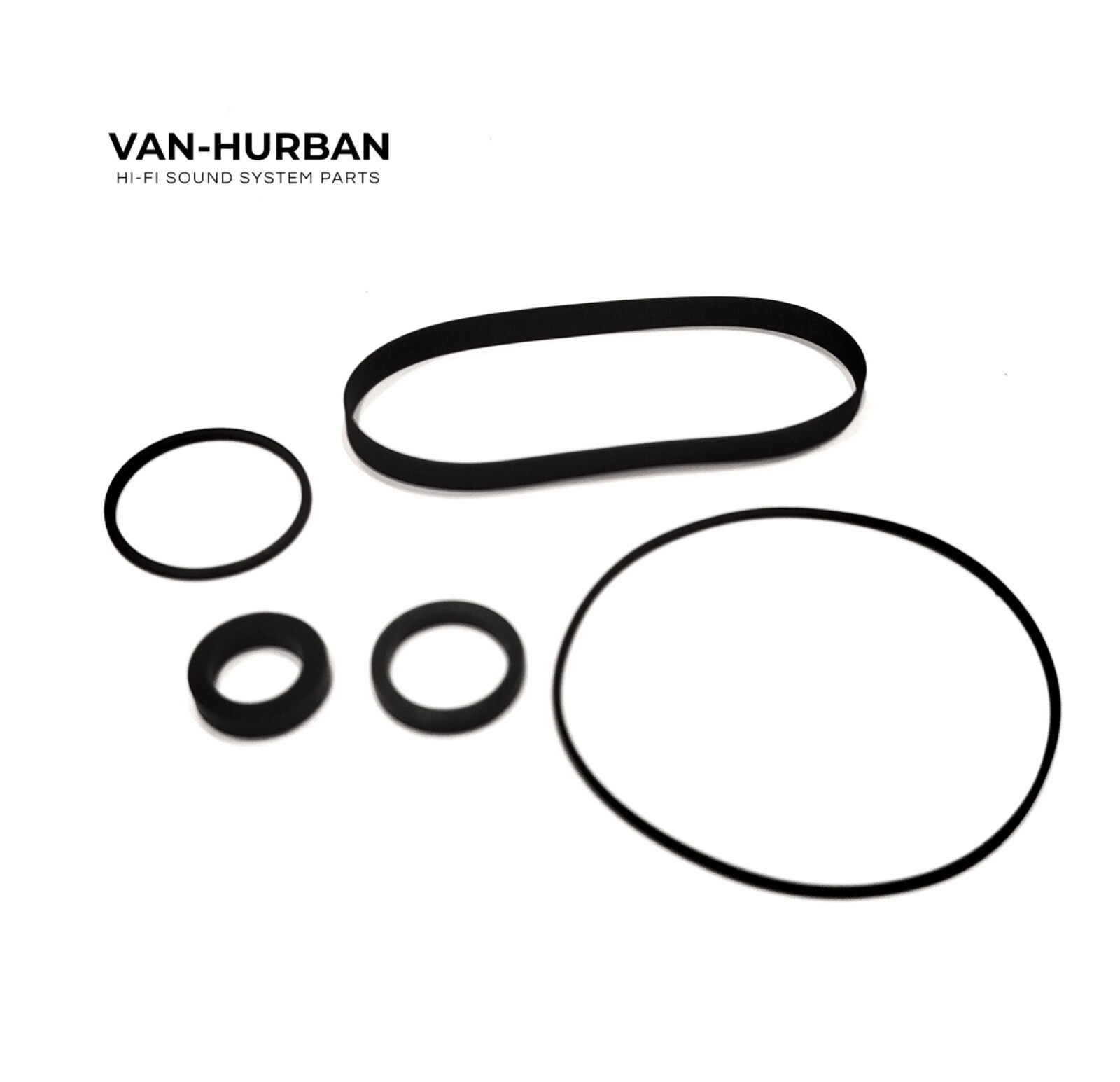
- Worn or hardened rubber belts: The most frequent failure point. Belts can crack or lose elasticity, causing sluggish tape transport, failure to eject, or inconsistent speed.
- Dirty or oxidized tape heads: Over time, head surfaces accumulate oxide residue, leading to muffled sound or dropouts. Cleaning with isopropyl alcohol and cotton swabs is essential.
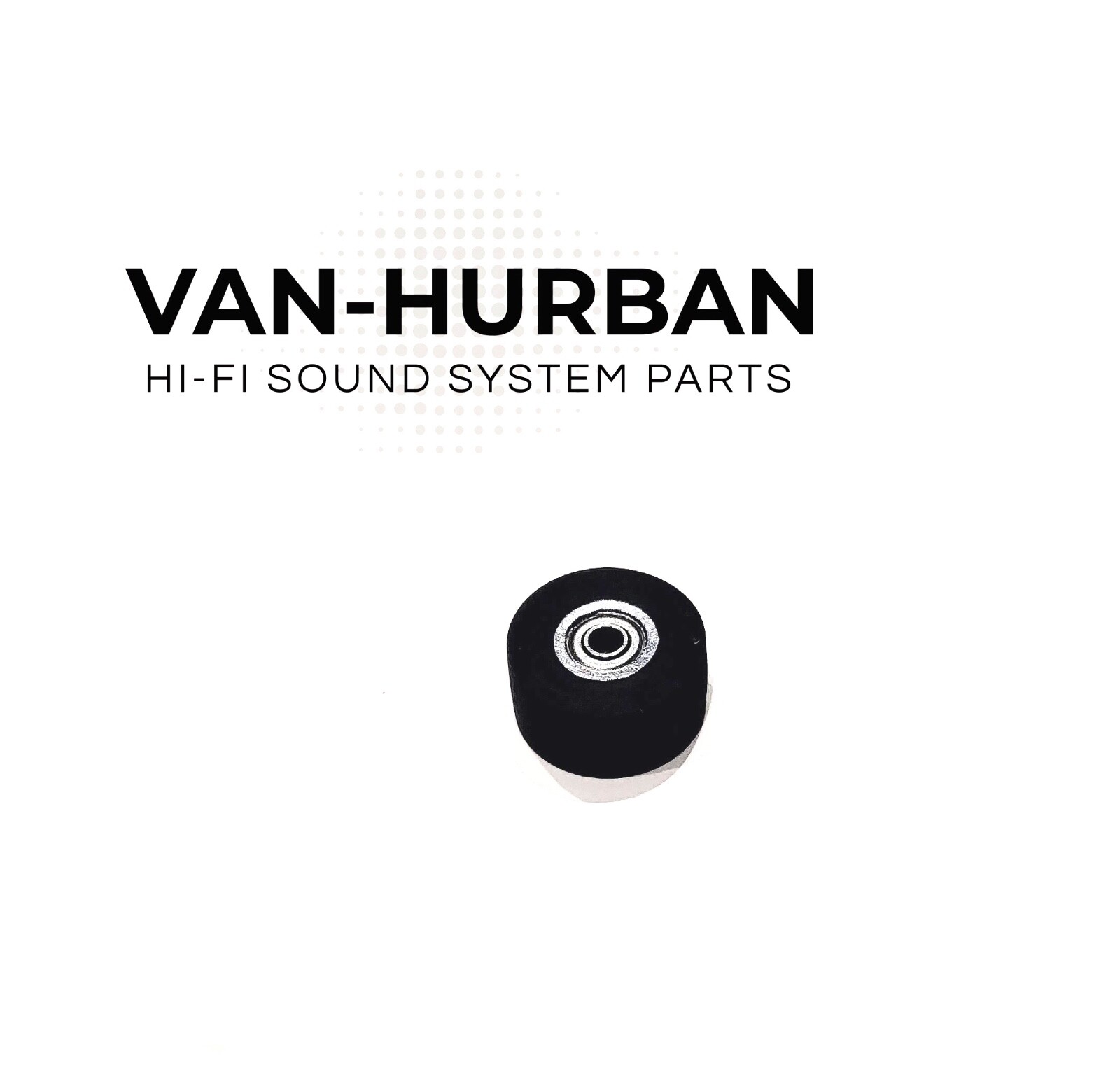
- Sticky pinch rollers: These can gum up and fail to engage properly, affecting tape tension and speed accuracy.
- Capstan wear: Less common, but possible in heavily used units, leading to wow and flutter.
- Capacitor degradation: Electrolytic capacitors in the power circuit or audio path may leak or dry out, potentially causing noise or power issues.
Restoration typically involves a full cleaning, demagnetization, belt replacement (available from specialty vintage audio suppliers), and inspection of capacitors. Due to its simple electronics, the AD-F70 is relatively easy to service compared to more complex decks.
Current Market Value and Collectibility
The Aiwa AD-F70 is not a high-collectibility item like Aiwa’s revered AD-S series or rare Japanese-market decks, but it holds nostalgic value for those who grew up with 1980s cassette culture. In working condition, it typically sells for $40–$80 on online marketplaces like eBay or Reverb, depending on cosmetic condition and included accessories.
Fully restored units with new belts and cleaned heads may command slightly higher prices, especially when bundled with original manuals or power supplies. While not a “holy grail” deck, it’s appreciated for its charm, compact size, and functionality as a simple tape copier or retro audio component.
It’s also found a second life among lo-fi musicians and analog enthusiasts who enjoy the warm, slightly compressed sound of cassette duplication for artistic purposes.
Conclusion and Legacy
The Aiwa AD-F70 may not have been a technical marvel, but it was a practical, well-built cassette deck that served countless users during the height of the mixtape era. It represents a time when music ownership meant physical effort—recording, labeling, rewinding—and personal curation was an art form.
While overshadowed by more advanced models, the AD-F70 remains a charming example of Aiwa’s commitment to accessible, stylish audio technology. For collectors of 1980s consumer electronics, bedroom audiophiles, or anyone nostalgic for the hiss and whir of cassette tapes, the AD-F70 is a modest but meaningful piece of audio history—a quiet workhorse that helped shape how a generation shared music, one tape at a time.
eBay Listings


As an eBay Partner, we earn from qualifying purchases. This helps support our independent vintage technology research.
Related Models
- Aiwa AD-F990 (1993)
- Aiwa AA-8700 (1981)
- Aiwa AA-8900 (1982)
- Aiwa AD-1200 (1980)
- Aiwa AD-1250 (1982)
- Sony TC-2050SD (1978)
- Kenwood KX-3060 (1982)
- Sony TC-2130A (1974)
- Sony TC-2220 (1972)
- Sony TC-FX6 (1982)