Aiwa AD-F60: Compact Cassette Convenience with Classic Japanese Engineering
In the mid-1980s, as home audio systems evolved and space-saving designs gained popularity, Aiwa—a brand synonymous with reliable, well-engineered consumer electronics—introduced the AD-F60, a compact dual cassette deck that blended practicality with solid performance. While not as widely celebrated as some of its larger, higher-end contemporaries from Nakamichi or Technics, the AD-F60 carved out a niche as an affordable, user-friendly solution for tape duplication, music recording, and casual listening. Designed with the average consumer in mind, this compact deck exemplified Aiwa’s commitment to delivering quality audio technology at accessible price points.
Though the AD-F60 didn’t boast the high-speed motors or advanced tape bias systems of professional-grade decks, it offered dependable functionality, clean aesthetics, and the convenience of dual-cassette operation—all in a sleek, space-conscious chassis. It became a common fixture in bedroom stereos, dorm rooms, and secondary audio setups where space and budget were key considerations.
Technical Specifications
The Aiwa AD-F60 was engineered to deliver reliable performance without the complexity or cost of high-fidelity flagship models. It featured a straightforward dual-cassette layout with basic but effective controls and a clean front-panel design typical of mid-1980s consumer electronics.
| Specification | Detail |
| Model | AD-F60 |
| Manufacturer | Aiwa Corporation |
| Year Introduced | 1985 |
| Type | Dual cassette deck |
| Cassette Compartments | Two (left and right) |
| Recording Function | Yes (both sides) |
| Playback Function | Yes (both sides) |
| Noise Reduction | Dolby B |
| Tape Speed | 4.76 cm/s (1⅞ ips) |
| Motor Type | Single capstan, rubber pinch roller |
| Display | Basic LED or fluorescent VU meters |
| Inputs | 1x Line In (RCA) |
| Outputs | 1x Line Out (RCA) |
| Power Requirement | 120V AC, 60Hz (North American version) |
| Dimensions (W×H×D) | Approx. 420 × 120 × 280 mm |
| Weight | 4.1 kg (9.0 lbs) |
| Finish | Black or silver metallic |
| Frequency Response | 20 Hz ~ 16 kHz (LH Tape, -20VU recording) |
The AD-F60 used a single-capstan transport system with a rubber pinch roller, which was standard for budget and mid-tier decks of the era. While not as precise as dual-capstan designs, it provided stable playback with minimal wow and flutter for casual use. The inclusion of Dolby B noise reduction helped reduce tape hiss during playback of pre-recorded tapes or recordings made on compatible equipment.
Sound Characteristics and Performance
The AD-F60 was never marketed as a high-fidelity audiophile deck, and its sound reflects that positioning. Audio performance is best described as clean, balanced, and consistent, with a slightly warm tonal character typical of many Japanese cassette decks from the 1980s. Bass response is modest but present, mids are clear, and highs are smooth—though not particularly detailed or extended.
The deck performs well with standard chrome or Type II tapes, especially when Dolby B is engaged. Users report that recordings made on the AD-F60 are suitable for personal use, such as making mixtapes or dubbing LPs to cassette. However, due to its single-capstan mechanism and plastic tape guides, it lacks the dynamic range and stereo imaging of higher-end models.
That said, for its intended purpose—casual listening and tape copying—the AD-F60 delivers more than adequate sound quality. It’s particularly appreciated today by retro audio enthusiasts who value its nostalgic charm and functional simplicity.
Notable Features and Innovations
While not groundbreaking, the AD-F60 included several thoughtful features that enhanced its usability:
- Dual Cassette Operation: Enabled easy tape-to-tape copying without external equipment, a major selling point before digital media.
- Auto-Reverse (on some variants): Certain regional versions of the AD-F60 included auto-reverse on one or both decks, allowing uninterrupted playback or recording across both sides of a tape.
- Direct Dubbing: The ability to record from one cassette to another with the push of a button made it a favorite among mixtape creators.
- VU Meters: Analog-style VU meters provided visual feedback during recording, helping users avoid distortion from over-modulation.
- Compact Design: Its smaller footprint made it ideal for shelf systems, portable setups, or space-limited environments.
Aiwa also emphasized user-friendly ergonomics, with clearly labeled buttons, intuitive layout, and a smooth tape loading mechanism. The build quality, while not luxurious, was sturdy for a consumer-grade unit, with a metal chassis and durable plastic casing.
Common Issues and Maintenance
Like all vintage cassette equipment, the Aiwa AD-F60 requires attention to remain functional. Common issues include:
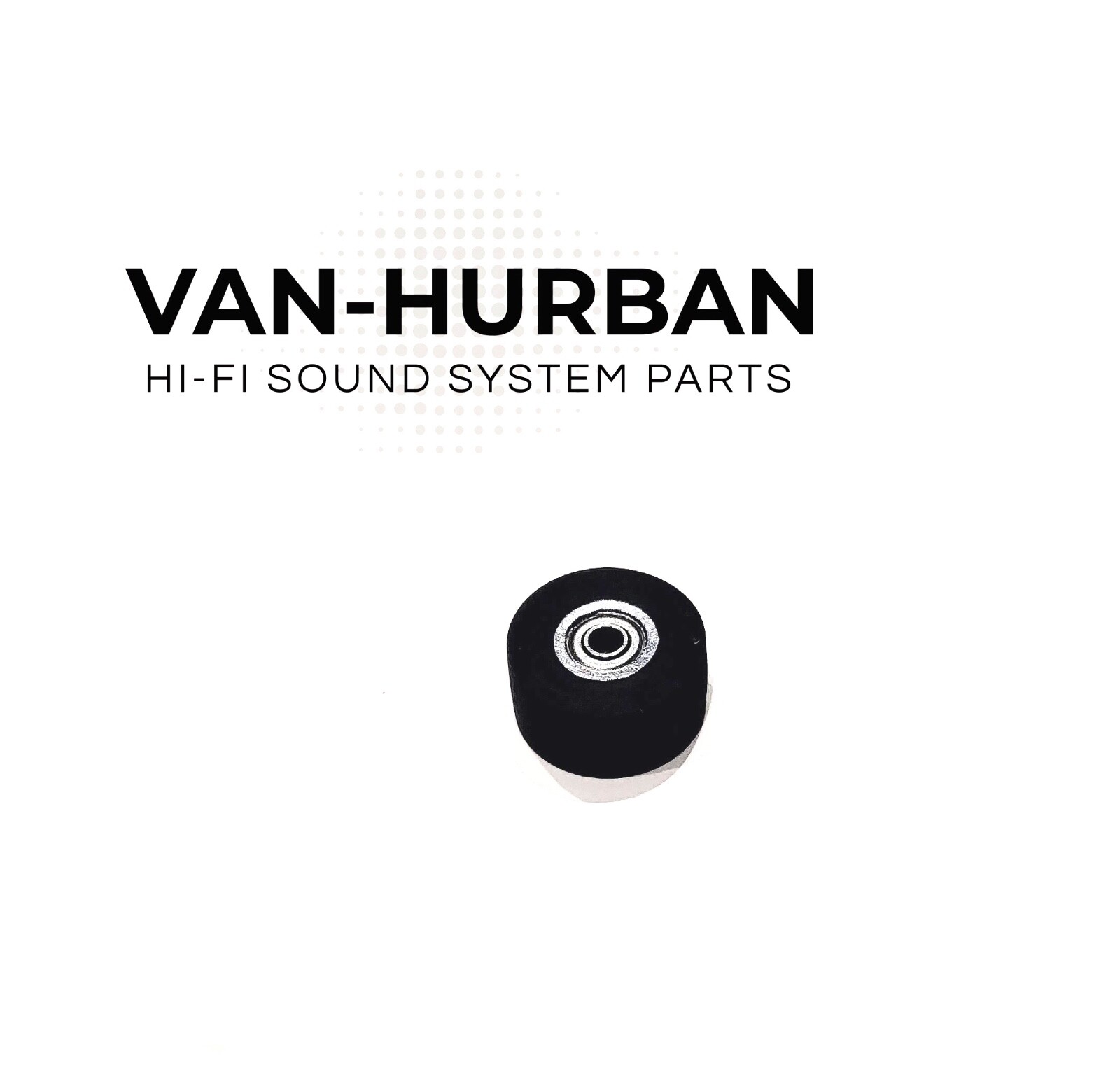
- Worn pinch rollers: Over time, the rubber rollers harden or become glazed, leading to speed instability or tape slippage. Replacement or cleaning with isopropyl alcohol is recommended.
- Deteriorated belts (if applicable): Some internal mechanisms may use rubber belts that degrade after decades. These should be replaced with modern equivalents.
- Dirty tape heads and guides: Oxide buildup from tapes can muffle sound or cause dropouts. Regular cleaning with a cotton swab and head cleaner is essential.
- Capacitor aging: Electrolytic capacitors in the power supply or audio circuits may leak or fail, potentially causing hum or no power. A recap by a technician can restore reliability.
- Sticky mode switches or buttons: Oxidation on internal switches can cause erratic behavior. Contact cleaner can often resolve this.
For long-term preservation, it’s advisable to have the deck professionally serviced if it hasn’t been used in years. Using demagnetizers on the heads periodically will also help maintain recording clarity.
Current Market Value and Collectibility
The Aiwa AD-F60 is not a high-value collector’s item, but it holds nostalgic appeal for retro audio enthusiasts, mixtape lovers, and those restoring vintage stereo systems. As of 2024, working units typically sell for $30–$70 USD, depending on condition, included accessories, and regional rarity.
Units with auto-reverse functionality, original packaging, or in mint cosmetic condition may command slightly higher prices. While not rare, the AD-F60 is increasingly harder to find in fully operational condition due to age-related wear.
Its value lies more in practical use than investment potential. Many users integrate it into modern setups via line-out connections to capture old tapes or create analog dubs. It’s also popular in “retro tech” displays and among YouTubers documenting vintage audio gear.
Conclusion and Legacy
The Aiwa AD-F60 may not have redefined cassette technology, but it exemplified the democratization of home audio in the 1980s. It brought dual-cassette functionality—once a luxury feature—into the reach of everyday consumers. For a generation that grew up making mixtapes, recording radio shows, or archiving vinyl collections, the AD-F60 was a trusted companion.
Today, it stands as a symbol of an era when analog tape was the primary medium for personal music curation. While overshadowed by more prestigious models, the AD-F60 remains a reliable, charming, and functional piece of audio history. For collectors, restorers, or anyone with a fondness for cassette culture, the Aiwa AD-F60 is a worthy addition to any vintage setup—proof that sometimes, simplicity and reliability matter more than specs on paper.
eBay Listings


As an eBay Partner, we earn from qualifying purchases. This helps support our independent vintage technology research.
Related Models
- Aiwa AD-F990 (1993)
- Aiwa AA-8700 (1981)
- Aiwa AA-8900 (1982)
- Aiwa AD-1200 (1980)
- Aiwa AD-1250 (1982)
- Sony TC-2050SD (1978)
- Kenwood KX-3060 (1982)
- Sony TC-2130A (1974)
- Sony TC-2220 (1972)
- Sony TC-FX6 (1982)