Advent Prodigy Speakers
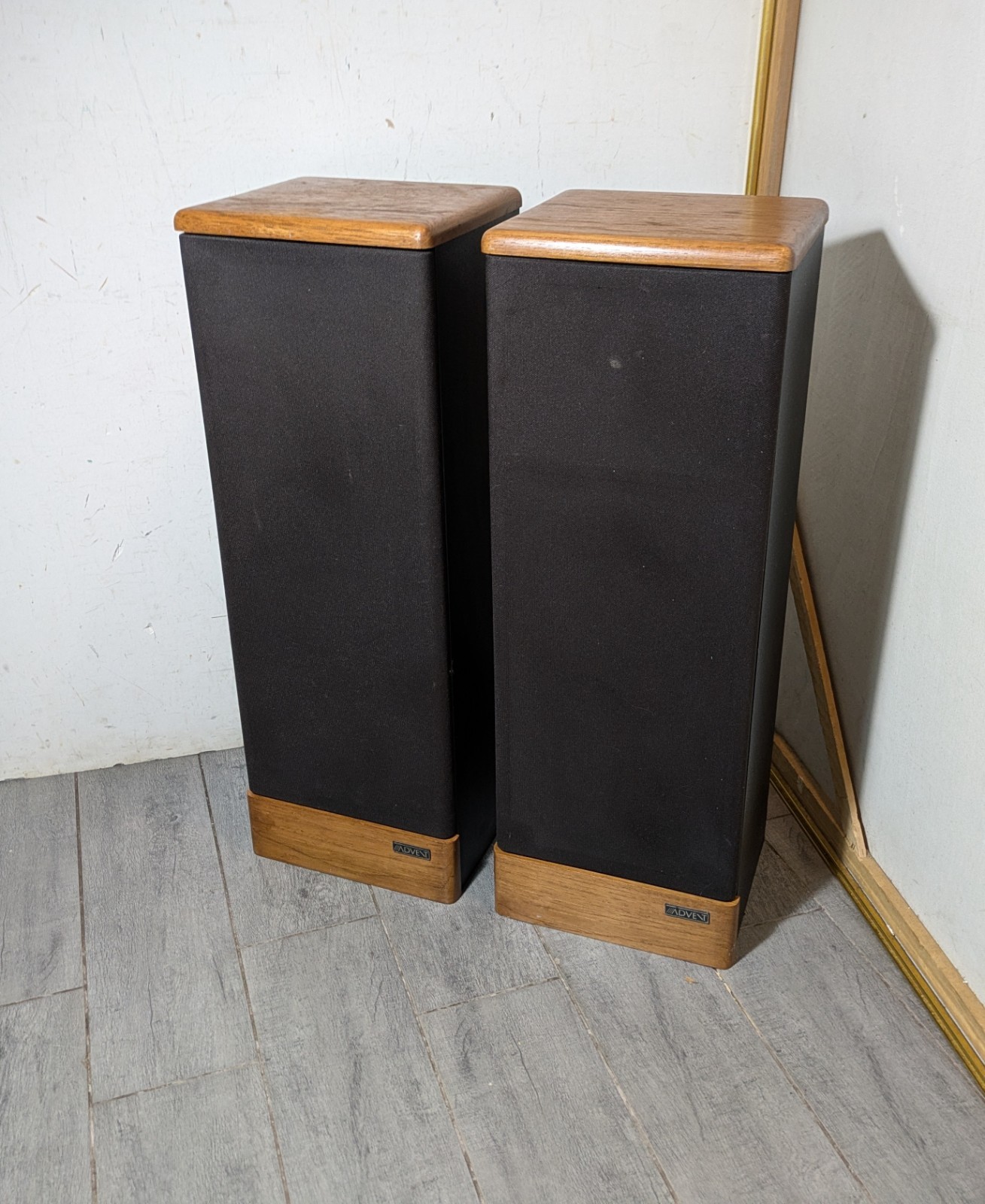
The Advent Prodigy is a compact 2-way bookshelf speaker introduced in the early 1980s as part of Advent's Prodigy series. Designed for budget-conscious audiophiles, these speakers deliver the warm, smooth sound signature that Advent became known for, combining solid midrange clarity with a balanced tonal presentation. With their acoustic suspension design and modest 8-ohm impedance, the Prodigy models were engineered to perform well with a wide range of receivers and amplifiers of the era.
Though not as powerful or bass-rich as their larger siblings like the Large Advent, the Prodigy speakers offered a compelling entry point into high-fidelity audio, making them a popular choice for small to medium-sized listening environments.
Specifications
| Feature | Specification |
| Type | Passive 2-way bookshelf speaker |
| Driver Configuration | 1 x Polypropylene woofer, 1 x Soft dome tweeter |
| Enclosure | Acoustic suspension (sealed) |
| Impedance | 8 ohms (nominal) |
| Frequency Response | Not officially documented |
| Sensitivity | Unknown (not widely published) |
| Power Handling | Not officially specified |
| Crossover | 2nd-order passive crossover (internal) |
| Cabinet Finish | Walnut vinyl or black vinyl veneer |
| Dimensions (each) | Approx. 12" H x 7" W x 8" D (varies slightly) |
| Weight | Approx. 12 lbs per speaker |
Historical Context
The Advent Prodigy was released during a period when Advent Corporation was solidifying its reputation for delivering high-performance audio products at accessible price points. Founded by audio pioneer Henry Kloss, Advent was known for innovation and value, most famously with the original Large Advent speaker in the 1970s.
The Prodigy series, launched in the early 1980s, extended that philosophy to a broader market. These speakers were designed to offer a taste of high-fidelity sound without the premium price tag. While not as technically ambitious as the Large Advent, the Prodigy models benefited from Advent's expertise in acoustic suspension design and careful voicing.
The use of a polypropylene woofer and soft dome tweeter was typical of the era's mid-tier speakers, balancing durability and smooth high-frequency response. The Prodigy's warm, laid-back sound signature made it well-suited for vinyl playback and AM/FM radio—common sources at the time—and remains appealing to listeners who prefer a non-fatiguing, natural presentation.
Sound Signature
The Advent Prodigy delivers a warm, smooth, and balanced sound with a particular strength in the midrange. Vocals and acoustic instruments are rendered with clarity and presence, making these speakers excellent for jazz, folk, and classic rock. The soft dome tweeter ensures a non-harsh high end, while the sealed enclosure provides tight, controlled bass—though not deep or powerful by modern standards.
Compared to the larger Advent models, the Prodigy lacks the bass weight and dynamic punch, but it compensates with excellent imaging and a cohesive soundstage for its size. They perform best when placed on stands or shelves with some room to breathe and benefit from being broken in over time.
Maintenance and Restoration Tips
Like many vintage speakers from the 1980s, the Advent Prodigy is prone to age-related wear. However, with proper care and restoration, these speakers can continue to deliver enjoyable performance.
Common Issues and Solutions:
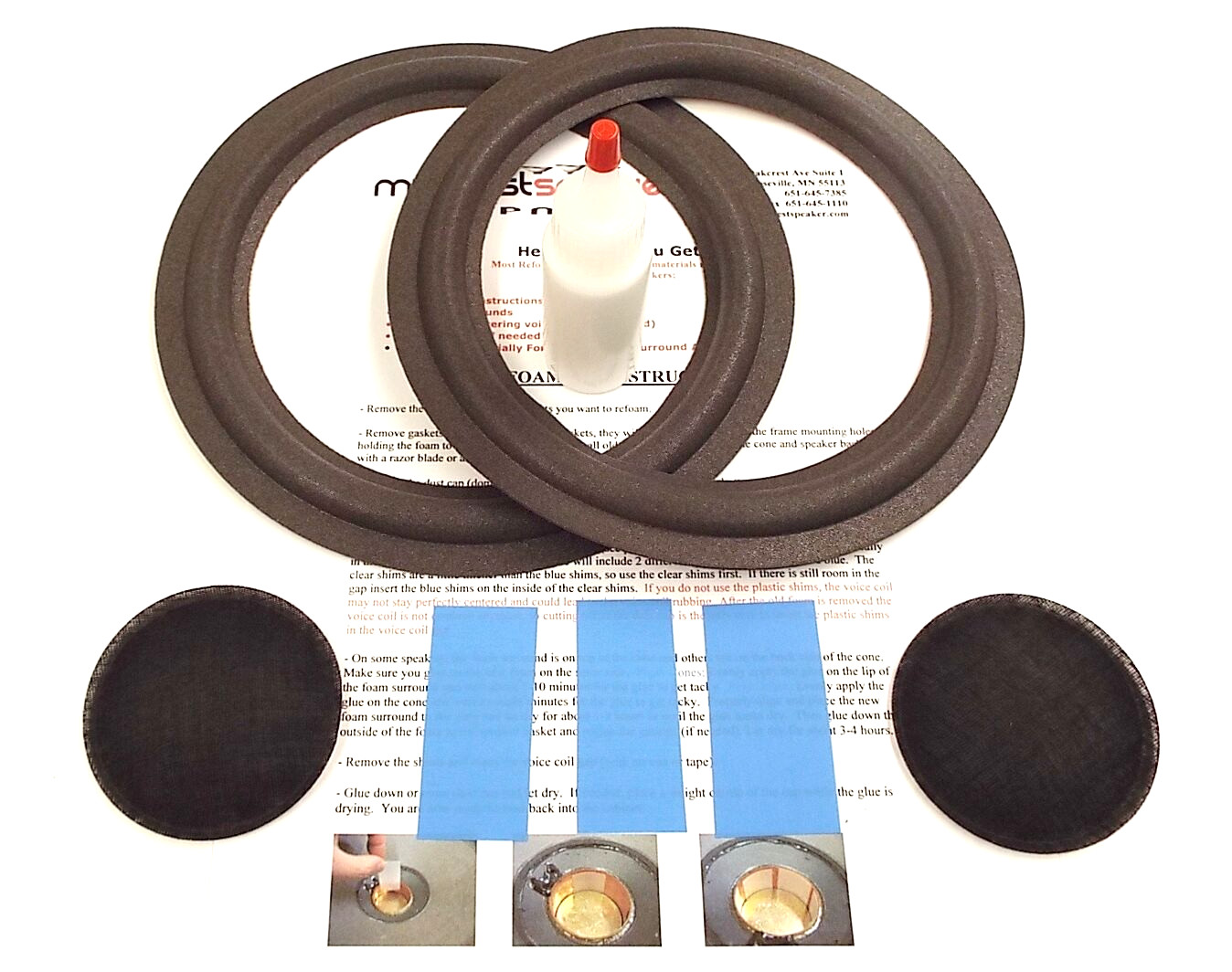
- Foam Surround Deterioration: The polypropylene woofer uses foam surrounds that typically degrade after 30–40 years. Symptoms include distorted bass, rattling, or complete disintegration.
Solution: Refoaming is highly recommended. DIY refoam kits are available and relatively easy to install with basic tools.
- Aging Crossover Components: Capacitors in the crossover network may dry out or drift in value over time, affecting tonal balance and efficiency.
Solution: Replace electrolytic and film capacitors in the crossover. This improves clarity and restores original performance.
- Grille Fabric and Cabinet Finish: The vinyl finish is generally durable, but edges may peel. Grille cloth often yellows or tears.
Solution: Clean vinyl with a mild cleaner; consider replacing grilles with custom-cut modern fabric for a refreshed look.
- Binding Posts: Original posts may become loose or corroded.
Solution: Upgrade to modern 5-way binding posts for better connectivity and durability.
Market Value and Collectibility
The Advent Prodigy is not a high-collectibility item but holds steady appeal among vintage audio enthusiasts and DIY restorers.
- Market Value: $50–$150 per pair, depending on condition and whether they’ve been refoamed and recapped.
- Collectibility Rating: 5/10 — Moderate interest due to brand legacy and restoration potential, but not rare or highly sought after.
- Best Use Today: Ideal for vintage stereo setups, secondary listening rooms, or as part of a retro audio display.
Final Thoughts
The Advent Prodigy may not be the most powerful or technically advanced speaker of its time, but it embodies the spirit of accessible high-fidelity audio that defined Advent’s legacy. With a warm, musical character and solid build quality, these speakers remain a rewarding project for those willing to invest in a little restoration.
For listeners seeking a vintage sound with classic American voicing, the Prodigy offers a nostalgic yet satisfying listening experience—proof that great sound doesn’t always require a big price tag.
eBay Listings


As an eBay Partner, we earn from qualifying purchases. This helps support our independent vintage technology research.
Related Models
- Advent New Advent
- Advent ADVENT/1 (1970)
- Advent ADVENT/2 (1979)
- Advent ADVENT/3 (1970)
- Advent advent-4002 (1975)
- Akai AM-2850 (1975)
- Akai AP-206 (1975)
- Nakamichi BX-1 (1985)
- Acoustic Research research-ar-17 (1978)
- Acoustic Research AR-19 (1994)