Advent Mini Bookshelf Speakers
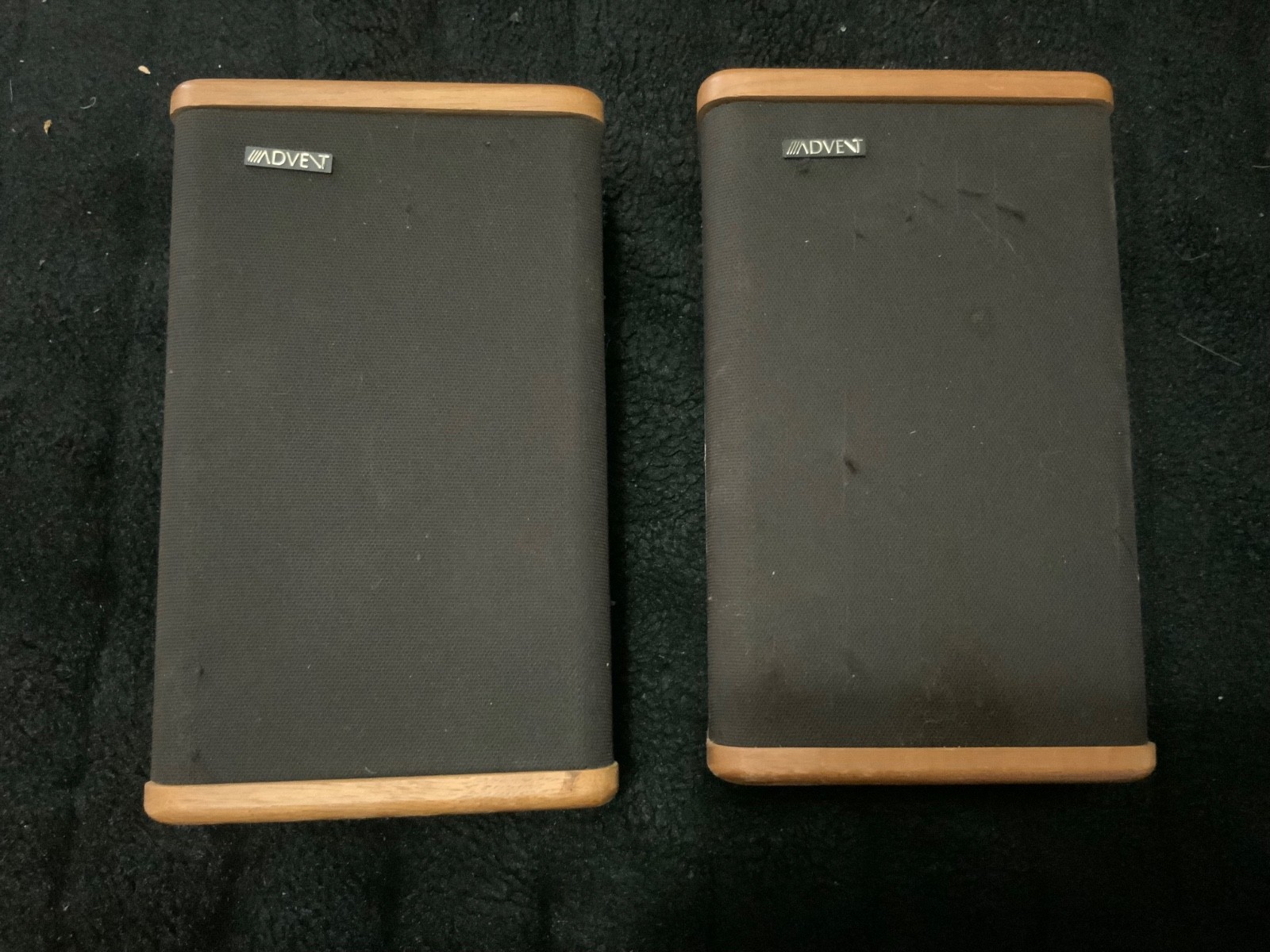
The Advent Mini is a compact bookshelf speaker introduced in the early 1970s by Advent Corporation, a brand founded by audio pioneer Henry Kloss. Designed as an affordable entry into high-fidelity sound, the Mini model brought solid performance and thoughtful engineering to budget-conscious audiophiles. With its acoustic suspension woofer, dome tweeter, and classic walnut veneer cabinet, the Advent Mini remains a nostalgic favorite among vintage audio enthusiasts.
Specifications
| Feature | Specification |
| Year of Production | 1970s (circa 1970–1975) |
| Configuration | 2-way bookshelf speaker |
| Woofer | Acoustic suspension design |
| Tweeter | Dome tweeter |
| Impedance | 8 ohms |
| Power Handling | Estimated 10–50W RMS |
| Sensitivity | Estimated 85–89 dB |
| Crossover | Passive 2-way (exact frequency unknown) |
| Enclosure | Sealed (acoustic suspension) |
| Cabinet Finish | Walnut veneer with foam grille |
| Dimensions (each) | Compact; typical mini bookshelf size |
| Weight | Lightweight; approximately 8–10 lbs each |
| Frequency Response | 110-21,000 Hz -3dB |
Historical Context
The Advent Mini was part of a broader movement in the 1970s to make high-fidelity audio accessible to the average consumer. Advent, founded in 1967 by Henry Kloss after his tenure at Acoustic Research, quickly gained a reputation for delivering excellent sound quality at competitive prices. The Mini model was positioned as a compact, space-saving alternative to larger floor-standing speakers, ideal for small rooms, dorms, or secondary listening environments.
Leveraging the acoustic suspension principle popularized by AR, the Advent Mini offered tight, controlled bass despite its small cabinet size. Its balanced sound signature—warm mids, clear highs, and surprisingly full bass—made it a standout in its price range. The use of a dome tweeter was also notable for the time, contributing to smooth high-frequency reproduction without harshness.
While not as iconic as the larger Advent speakers like the Model 300, the Mini played a key role in expanding the brand’s reach. It helped introduce a generation to serious stereo sound without requiring a large investment, embodying the democratic spirit of the era’s audio revolution.
Sound Signature
The Advent Mini delivers a well-balanced sonic profile typical of well-engineered acoustic suspension speakers from the 1970s. The midrange is slightly warm and natural, making it ideal for vocals and acoustic instruments. Bass response is tight and articulate for the cabinet size, though not deep by modern standards. The dome tweeter provides clear, non-fatiguing highs, avoiding the sibilance sometimes found in early horn or cone tweeters.
These speakers perform best when placed on stands or shelves with some room clearance, and they pair well with vintage tube or solid-state receivers of the era. While not suited for high-volume or bass-heavy modern music, they excel at reproducing jazz, classical, and classic rock with engaging realism.
Maintenance and Restoration Tips
Like many vintage speakers from the 1970s, the Advent Mini is prone to age-related wear. However, with proper care, these speakers can deliver many more years of enjoyable listening.
Common Issues and Solutions:
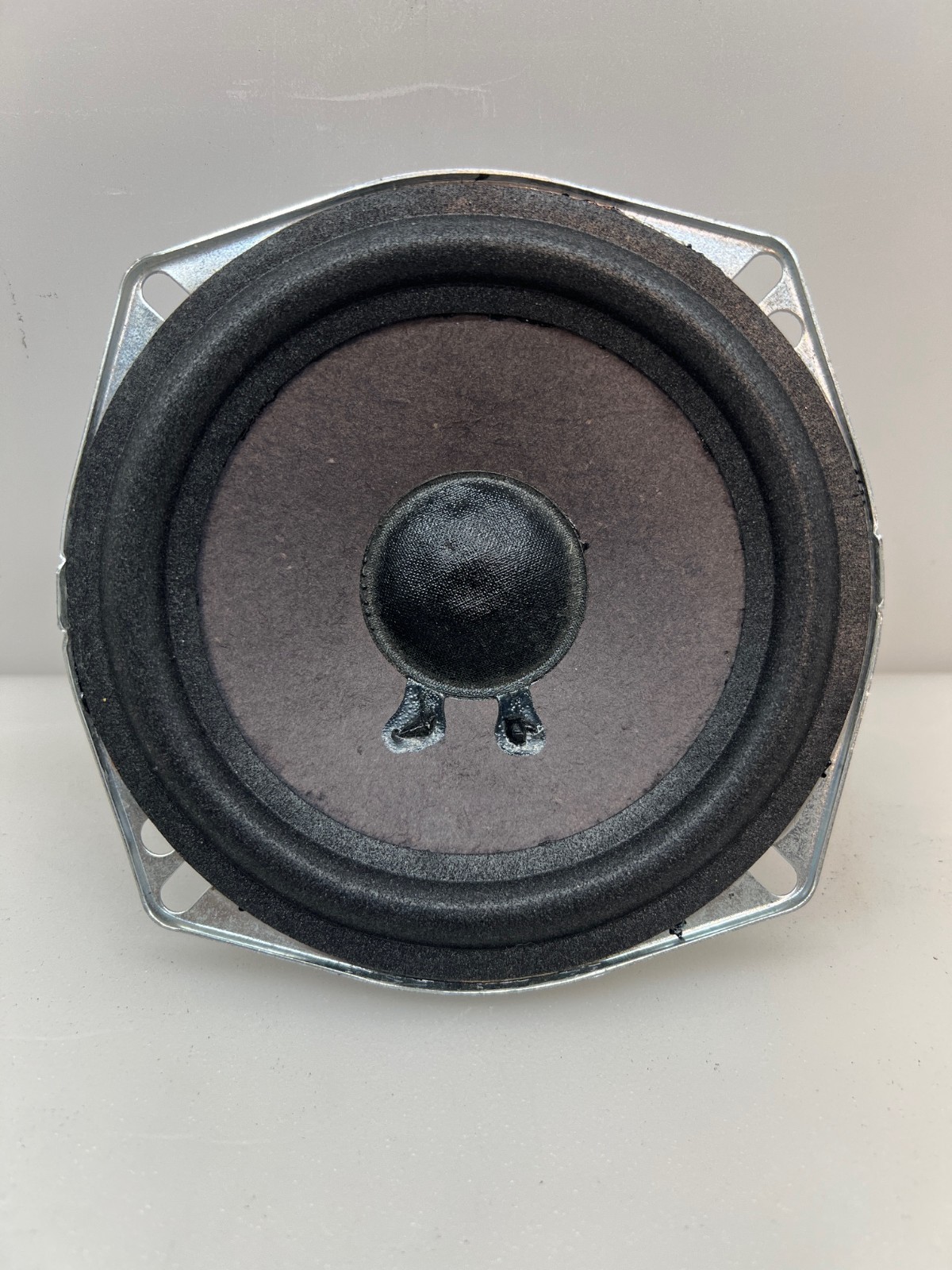
- Degraded Foam Surrounds: The foam on the woofer’s surround often deteriorates over time, leading to distorted bass or complete failure. Replacing the foam with modern rubber or foam kits (available from specialty audio restoration suppliers) is a common and effective fix.
- Aging Crossover Components: Capacitors in the crossover network may dry out or fail. Replacing electrolytic and film capacitors with modern equivalents can restore clarity and balance.
- Grille and Veneer Care: The foam grilles are fragile and often torn or missing. Replacement fabric or custom foam can be used to restore appearance. The walnut veneer should be cleaned gently with a wood-safe polish; avoid harsh chemicals.
- Binding Posts: Check the input terminals for corrosion or looseness. Upgrading to modern binding posts improves connectivity and allows for better speaker cable use.
Restoration Tips:
- Always document driver and crossover specifications before disassembly.
- Use original or period-correct replacement parts for authenticity.
- Consider professional reconing if drivers are damaged beyond foam replacement.
Collectibility and Market Value
The Advent Mini is moderately collectible, rated 4/10 on the vintage speaker scale. While not as sought-after as flagship models from Advent or competitors like AR or KLH, the Mini holds nostalgic value and functional appeal. Well-restored pairs in good cosmetic and sonic condition typically sell for $50–$150 per pair.
Their compact size and classic 1970s aesthetic make them popular for retro setups, dorm rooms, or secondary systems. Enthusiasts appreciate their historical role in democratizing hi-fi audio, and their simple design makes them ideal candidates for DIY restoration projects.
Conclusion
The Advent Mini may not be the most powerful or rare vintage speaker, but it represents an important chapter in audio history. As a compact, affordable, and well-engineered speaker from a respected brand, it delivered high-fidelity sound to countless listeners in the 1970s. With proper maintenance, the Advent Mini continues to offer a warm, engaging listening experience that bridges the gap between vintage charm and enduring performance.
eBay Listings


As an eBay Partner, we earn from qualifying purchases. This helps support our independent vintage technology research.
Related Models
- Advent New Advent
- Advent ADVENT/1 (1970)
- Advent ADVENT/2 (1979)
- Advent ADVENT/3 (1970)
- Advent advent-4002 (1975)
- Akai AM-2850 (1975)
- Akai AP-206 (1975)
- Nakamichi BX-1 (1985)
- Acoustic Research research-ar-17 (1978)
- Acoustic Research AR-19 (1994)