ADC XLM IMPROVED MKII
That moment when your old turntable suddenly sounds like it remembers how music is supposed to feel—this is the stylus that can get you there.
Overview
The ADC XLM IMPROVED MKII isn’t a cartridge you stumble upon at a garage sale and immediately recognize. It’s not flashy, and it doesn’t have the cult name recognition of a Shure V15 or a Denon 103. But if you’re deep enough into the vinyl game to care about tracking detail without inviting record wear, you’ve probably heard whispers about this one. It’s a replacement stylus—specifically, the genuine upgrade tip for a family of ADC moving magnet cartridges that had a quiet but serious run in the 1970s. And while the full cartridge body might be long out of production, the stylus itself remains a sought-after fix for owners who still trust their ADC gear to do the job.
Manufactured by Audio Dynamics Corporation (ADC), the XLM IMPROVED MKII was designed as a precision elliptical replacement for a wide range of ADC’s higher-end cartridges, including the XLM, ZLM, QLM 36, and various Digital and Series III/IV models. It’s not just a generic needle swap—it’s a calibrated component that expects a certain electrical environment. If your cartridge measures between 800–830 ohms resistance and 550–580 mH inductance, you’re likely in the right neighborhood. This isn’t plug-and-play for every turntable; it’s for someone who’s already invested in the ADC ecosystem or has inherited a deck with one of these cartridges still ticking.
And make no mistake—this stylus is built for performance. With a 5.5 mV output and a frequency response stretching from 15Hz to 24kHz, it’s no slouch in fidelity. It tracks between 0.75 and 1.5 grams (though some sources specify 1.2–1.5g), which is light enough to be gentle on vintage vinyl but firm enough to stay planted through complex passages. At 5.75 grams total mass, it plays well with a range of tonearms, especially those designed for medium-mass cartridges. It’s not a featherweight, but it’s not a tank either—just solidly in the sweet spot for compatibility.
The fact that it’s obsolete now doesn’t mean it’s irrelevant. If anything, its status as a discontinued part is what gives it weight in collector circles. Finding an original RSXM2 replacement stylus (its catalog number) in good condition is a small victory. And while newer aftermarket options exist—like the RXL Improved Stylus or the RSXC variant—owners report that the genuine ADC unit, with its precise Diasa elliptical tip, still delivers a clarity that’s hard to replicate.
Specifications
| Manufacturer | ADC (Audio Dynamics Corporation / Audio Dynamics Co.) |
| Product type | Replacement Stylus (phono cartridge stylus) |
| Type | Moving Magnet |
| Output Voltage | 5.5 mV |
| Frequency Response | 15Hz - 24kHz |
| Tracking Force | 0.75-1.5 grams |
| Mass | 5.75 g |
| Channel Separation | 26 dB at 1kHz, 15dB at 10kHz |
| Channel Balance | 2 dB at 1kHz |
| Load Impedance | 47kΩ |
| Output Impedance (Resistance) | 820Ω |
| Stylus Tip Shape | Elliptical |
| Stylus Tip Dimensions | 0.2 x 0.7 mil (0.0002" x 0.0007") Nude Diamond |
| Stylus Construction | Nude diamond (Diasa elliptical tip bonded to sapphire base) |
| Cantilever | Aluminium (thin-wall alloy tube) |
| Original Replacement Stylus catalogue no. | RSXM2 |
| Compliance | 30 x 10-6cm/Dyne |
| Compatible with | cartridges requiring a stylus for the "XLM MKII+, ZLM, QLM 36, Digital Series, Series III or IV, XLM I, II, III (Integras)" |
| Electrical compatibility | If it measures 800-830 ohms, 550-580 mH |
Key Features
Diasa Elliptical Stylus
The heart of the XLM IMPROVED MKII is its Diasa elliptical tip—a nude diamond stylus that’s bonded to a sapphire base before being attached to the cantilever. This isn’t just a marketing term; it’s a construction method meant to reduce resonance and improve high-frequency tracking. Elliptical tips, in general, make more precise contact with the groove walls than conical ones, and the 0.2 x 0.7 mil dimensions mean it can trace finer modulations with less distortion. The result? More detail, especially in the upper mids and treble, without sacrificing durability. Owners note that records sound “fuller” and more resolved, though—true to form—it also reveals every scratch and surface noise you’ve been ignoring.
Aluminium Cantilever
Paired with the stylus is a thin-wall aluminium alloy cantilever. Lightweight and stiff, it’s designed to transfer vibrations efficiently from the tip to the generator coils. While not as exotic as beryllium or boron, aluminium was a solid choice for its time—offering a balance of responsiveness and cost. The compliance of 30 x 10⁻⁶ cm/dyne places it in the medium range, making it suitable for tonearms with moderate effective mass. It’s not ultra-sensitive, but it’s forgiving enough for vintage arms that weren’t designed for today’s micro-tracking standards.
Electrical Precision
One thing that stands out is how specific ADC was about compatibility. This isn’t a “universal” stylus. The requirement that the cartridge body measure between 800–830 ohms resistance and 550–580 mH inductance means ADC expected users to verify their hardware before swapping. That level of electrical matching suggests a design philosophy rooted in consistency—this stylus was meant to deliver predictable performance, not just “good enough” sound. When paired correctly, it presents a 47kΩ load impedance to the preamp, which is standard, but its 820Ω output resistance ensures a clean signal transfer without excessive loading.
Collectibility & Value
The ADC XLM IMPROVED MKII is officially listed as obsolete by retailers, which means finding a genuine RSXM2 replacement stylus in NOS (new old stock) condition is a matter of luck and vigilance. It’s not rare in the sense of being mythical, but it’s not common either. Used units appear on eBay and Canuck Audio Mart, often still mounted on the original cartridge body, with prices varying widely based on condition and completeness.
Owners who’ve used it report high satisfaction, even if they don’t consider themselves audiophiles. One user noted, “I'm not an audiophile by any means but I'm extremely happy with the sound of this needle on my Thorens turntable.” Another wrote, “great stylus. everything on record is played well. but like any fine musical item be it speakers or in this case a needel. all defects in your records will show as well.” That last point is key: this stylus doesn’t hide flaws. It reproduces them. If your records are worn or dirty, you’ll know it. But if they’re clean, the payoff is a level of clarity that feels startlingly modern.
There are aftermarket replacements available, like the RXL Improved Stylus or the RSXC model, but collectors and purists tend to prefer the original ADC unit. Whether that’s due to measurable performance or just loyalty to the brand, the market reflects a preference for authenticity.
eBay Listings

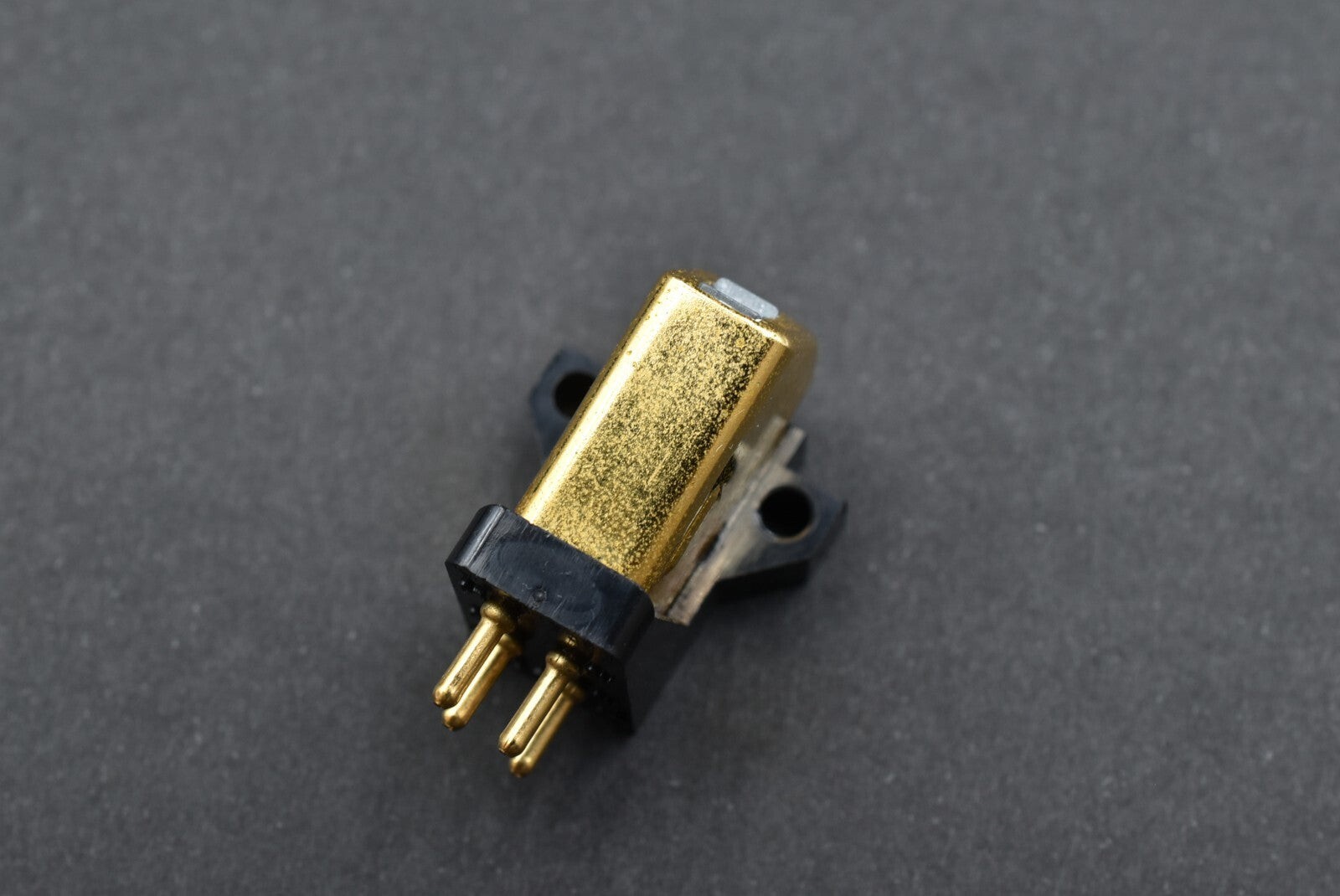
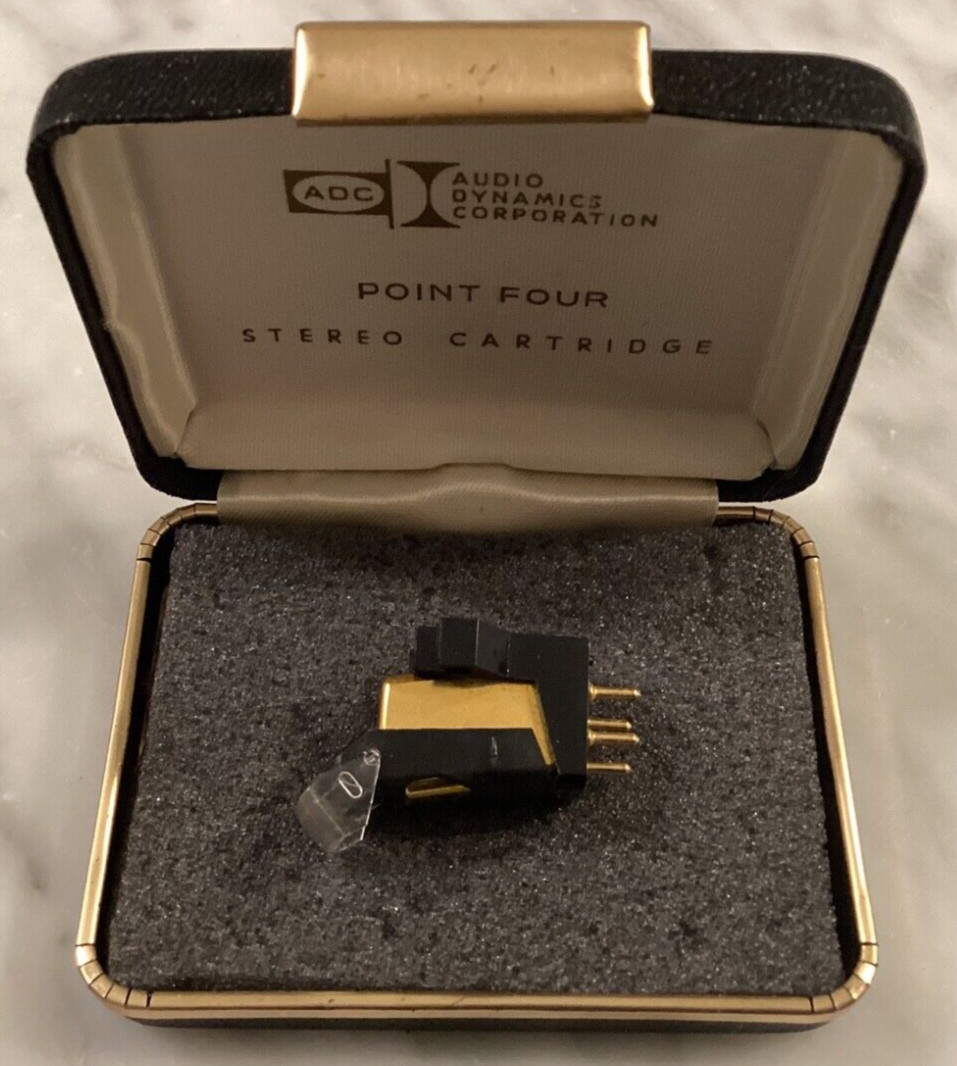

As an eBay Partner, we earn from qualifying purchases. This helps support our independent vintage technology research.