Acoustic Research TSW-810 (1988)
The Acoustic Research TSW-810 is a two-way floor-standing loudspeaker introduced in 1988 as part of Acoustic Research's premium TSW (Total Sound Works) series. Designed during a pivotal era for the brand, the TSW-810 represents AR's evolution from classic acoustic suspension designs toward more modern, high-power-compatible systems without sacrificing sonic integrity. Aimed at discerning audiophiles, the TSW-810 delivers a balanced, dynamic, and detailed listening experience with extended bass and low distortion.
Specifications
| Feature | Specification |
| Model | TSW-810 |
| Year of Production | 1988–1992 |
| Type | 2-way floor-standing speaker |
| Driver Configuration | 12-inch woofer, 1-inch dome tweeter |
| Enclosure Design | Dual-ported bass reflex with acoustic suspension influence |
| Impedance | 8 ohms (nominal) |
| Sensitivity | 91 dB (1W/1m) |
| Power Handling | Up to 200W RMS (2-channel stereo) |
| Frequency Response | 38 Hz – 20 kHz (±3 dB) |
| Crossover Frequency | 2.5 kHz (estimated) |
| Bi-Wiring Capability | Yes, via dual binding posts |
| Tweeter Cooling | Ferrofluid-cooled |
| Dimensions (H×W×D) | 38" × 12" × 16" (96.5 × 30.5 × 40.6 cm) |
| Weight | 62 lbs (28.1 kg) per cabinet |
Historical Context
The TSW-810 emerged during a transitional period for Acoustic Research (AR), a brand renowned since the 1950s for pioneering acoustic suspension speaker technology. By the late 1980s, consumer demand shifted toward speakers capable of handling higher amplifier power and delivering greater dynamic range. The TSW (Total Sound Works) series was AR's answer—modern loudspeakers that retained the brand's commitment to accuracy and low distortion while embracing new engineering approaches.
The TSW-810 combined a dual-ported bass reflex design with design cues from classic acoustic suspension principles, resulting in tighter bass response than traditional ported systems and improved efficiency over sealed enclosures. Its 12-inch woofer and ferrofluid-cooled tweeter reflected contemporary advancements, making it compatible with the increasingly powerful solid-state amplifiers of the era.
Positioned as a high-end offering, the TSW-810 appealed to audiophiles seeking both musical refinement and robust performance. Though AR would undergo ownership changes and declining market presence in the 1990s, the TSW series remains a respected chapter in the brand’s legacy.
Sound Signature
The TSW-810 delivers a balanced and engaging sound profile with a slightly warm tonal character. Key attributes include:
- Extended Bass: The 12-inch woofer and dual-port design produce deep, controlled low frequencies down to 38 Hz, offering both impact and clarity.
- Clear Midrange: Vocals and instruments are rendered with natural timbre and excellent presence, making the speaker ideal for acoustic and vocal-centric genres.
- Detailed Highs: The 1-inch ferrofluid-cooled dome tweeter provides smooth, extended highs with minimal harshness, even at high volumes.
- Low Distortion & Good Dynamics: High sensitivity and robust power handling allow the TSW-810 to perform well in both moderate and high-output environments.
Overall, the speaker excels in reproducing a wide soundstage with precise imaging, staying true to AR’s heritage of high-fidelity audio reproduction.
Maintenance and Restoration Tips
Like many vintage speakers from the late 1980s, the TSW-810 may require maintenance to restore optimal performance:
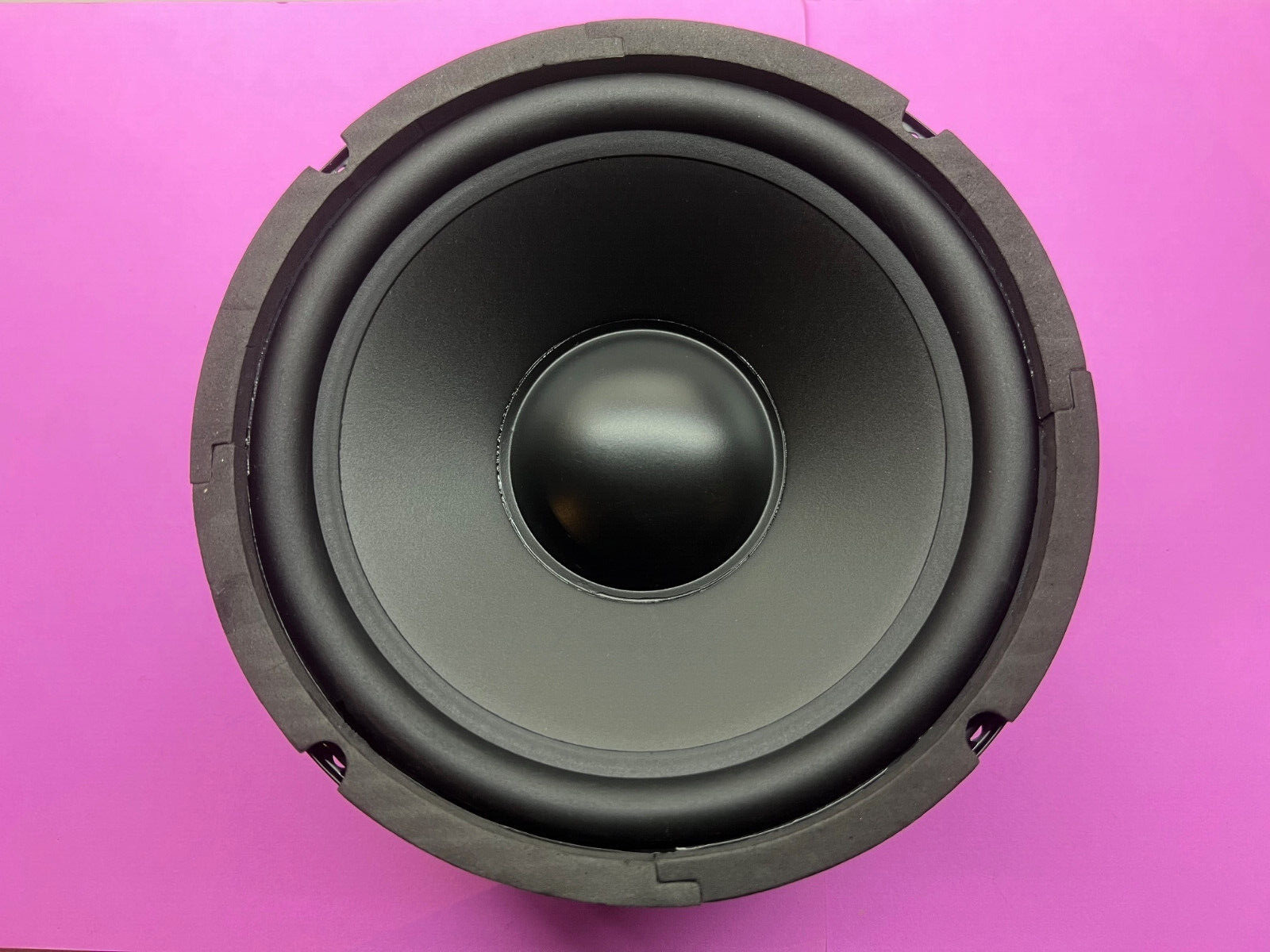
- Foam Surround Replacement: The most common issue is deteriorating foam surrounds on the 12-inch woofers. Over time, these can disintegrate, leading to distorted bass or complete driver failure. Replacement with modern rubber or foam surrounds is highly recommended and widely available through specialty audio restoration suppliers.
- Ferrofluid in Tweeters: The ferrofluid used to cool and damp the tweeter can dry out or clump over decades, resulting in loss of high-frequency output or tweeter damage. Reconditioning or replacing the tweeter fluid—or the tweeter itself—can restore clarity.
- Cabinet and Veneer Care: Original wood veneers may show signs of wear, scratches, or fading. Light polishing with appropriate wood care products can revive the finish. Avoid harsh chemicals that may damage the surface.
- Crossover Inspection: Check for aging capacitors or degraded wiring in the crossover network, especially if one driver is underperforming. Upgrading components can improve reliability and sound quality.
- Bi-Wiring Setup: If using bi-wiring, ensure proper gauge speaker cables and secure connections at both sets of binding posts to maximize performance.
Market Value and Collectibility
- Current Market Value: $200–$400 per pair, depending on condition and restoration status.
- Collectibility Rating: 6/10
While not as iconic as AR’s 1950s–60s models like the AR-3a, the TSW-810 holds appeal among collectors of late-era AR gear and enthusiasts of transitional speaker designs. Its blend of classic principles and modern capabilities gives it niche value.
Restored pairs in excellent cosmetic and sonic condition command higher prices, especially when sold with original grilles and documentation.
Conclusion
The Acoustic Research TSW-810 stands as a compelling example of how a legacy audio brand adapted to changing technologies while honoring its roots. With strong build quality, a refined sound signature, and a design that bridges eras, it remains a worthwhile addition to vintage audio systems. For those willing to invest in maintenance, the TSW-810 offers enduring performance and a direct connection to Acoustic Research’s innovative spirit.
eBay Listings


As an eBay Partner, we earn from qualifying purchases. This helps support our independent vintage technology research.
Service Manuals, Schematics & Catalogs
- Catalog — archive.org
- Catalog (1968) — archive.org
Related Models
- Acoustic Research research-ar-17 (1978)
- Acoustic Research AR-19 (1994)
- Acoustic Research AR-1W (1954)
- Acoustic Research AR-28S (1992)
- Acoustic Research AR-303a (1994)
- Akai AM-2850 (1975)
- Akai AP-206 (1975)
- Nakamichi BX-1 (1985)
- Acoustic Research AR-8BX (1983)
- Acoustic Research AR-915 (1985)