Acoustic Research The AR Turntable (1961)
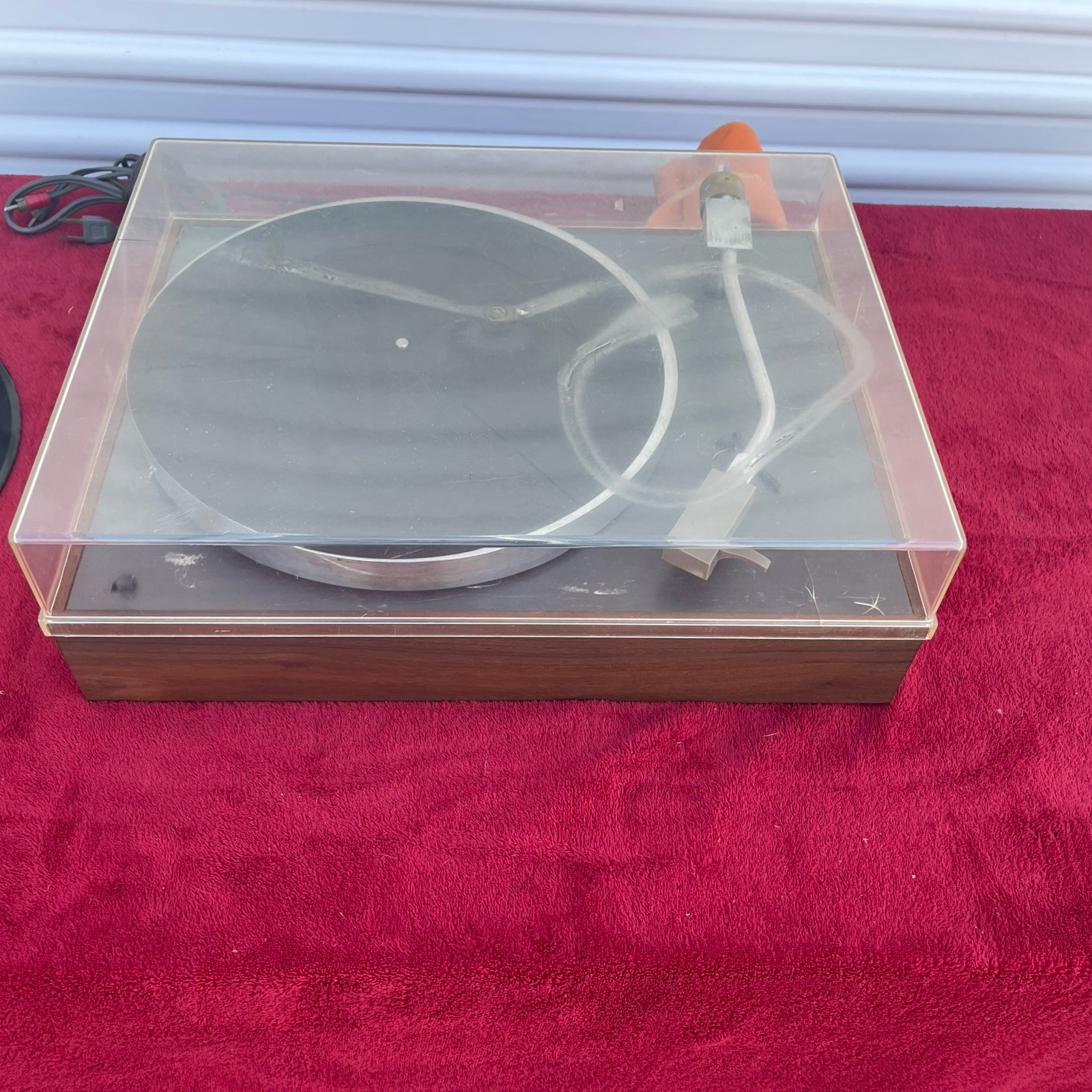
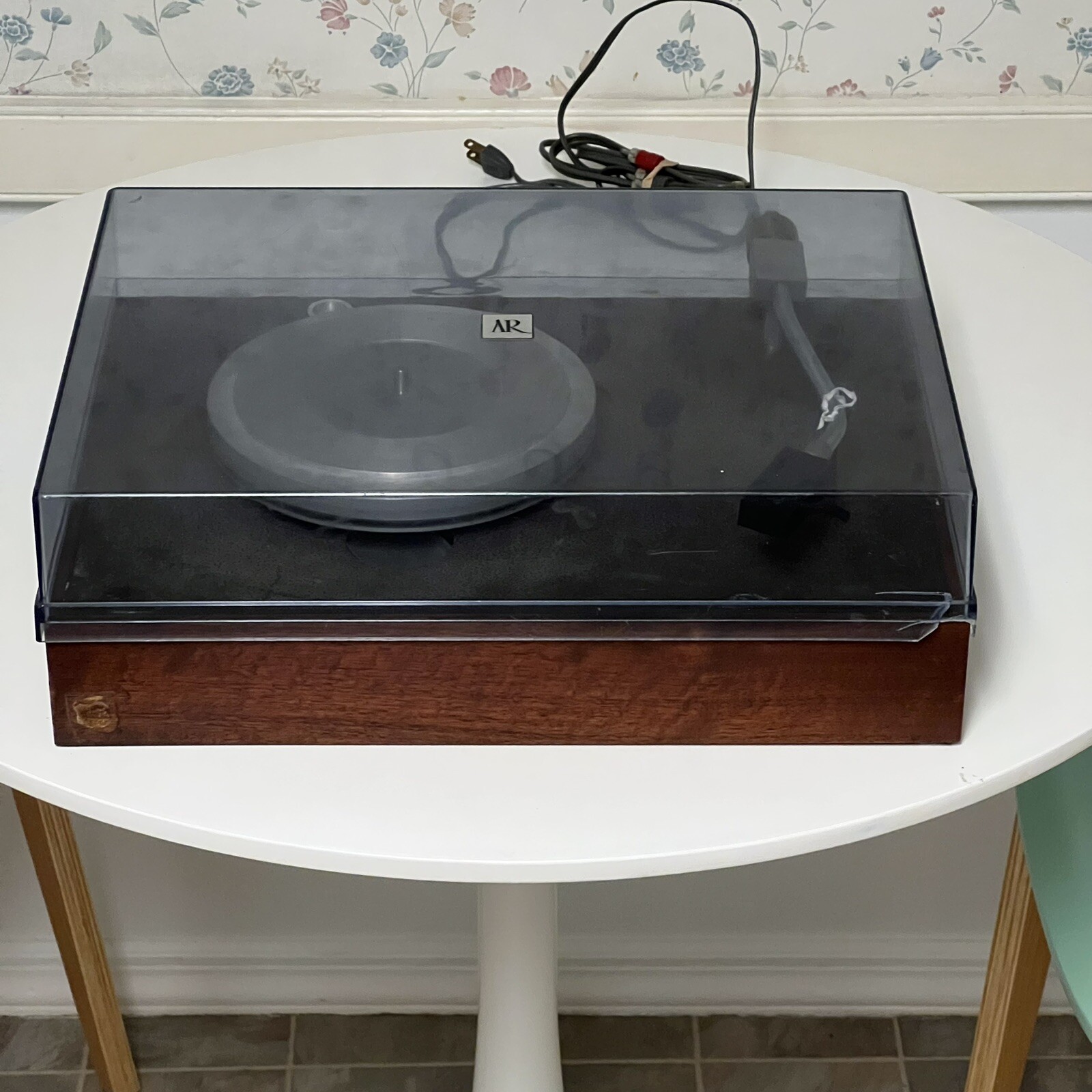
The Acoustic Research The AR Turntable, introduced in 1961, is widely regarded as a landmark in analog audio history. Designed by legendary engineer Edgar Villchur and manufactured by Acoustic Research (AR), this turntable redefined performance expectations for consumer turntables and helped establish the foundation for modern high-fidelity playback systems.
With its innovative belt-drive system and suspended sub-chassis design, the AR Turntable set new benchmarks in minimizing vibration, rumble, and speed instability—issues that plagued many direct-drive and idler-wheel turntables of the era. Its influence extended far beyond its production years, shaping the philosophy of turntable engineering for decades.
Specifications
| Feature | Specification |
| Year of Production | 1961–1964 |
| Drive System | Belt-drive |
| Chassis Design | Suspended sub-chassis with damped springs |
| Tonearm | Low-mass straight aluminum tonearm |
| Counterweight | Adjustable for precise tracking force |
| Cartridge (Original) | Shure M3D dual-magnet stereo cartridge |
| Operation | Manual start/stop, single play |
| Platter | Die-cast aluminum |
| Motor | AC synchronous motor |
| Speeds | 33⅓ and 45 RPM (manually switched via pulley) |
| Power Requirements | N/A (no internal amplification) |
| Output Impedance | N/A (designed to feed standard phono input, ~47k ohms) |
| Sensitivity | N/A (dependent on cartridge output) |
| Wow & Flutter | <0.1% (exceptionally low for its time) |
| Rumble | -60 dB or better (due to isolation design) |
| Turntable Type | belt-drive |
Historical Significance
The AR Turntable was the first belt-driven turntable to feature a suspended sub-chassis, a design that decoupled the platter and tonearm assembly from the motor and external vibrations. This innovation dramatically reduced transmitted noise and mechanical feedback, resulting in unprecedented clarity and quiet backgrounds.
Prior to its release, most turntables used idler-wheel or direct-drive systems that were prone to high levels of rumble and speed fluctuations. The AR Turntable’s belt-drive system, combined with its damped suspension, offered superior speed stability and isolation, making it a favorite among audiophiles and critics alike.
Its success helped legitimize high-fidelity home audio equipment as a serious market segment and influenced countless future designs, including those from Linn, Thorens, and Rega. The principles pioneered in this model remain standard in mid-to-high-end turntables today.
Sound Signature
The AR Turntable delivers a neutral, transparent sound with excellent speed accuracy and minimal coloration. Thanks to its low-vibration design:
- Bass is tight and well-controlled
- Midrange is clear and uncolored
- High frequencies are detailed without harshness
When paired with a well-maintained or upgraded cartridge, it provides remarkably accurate tracking and low surface noise—making it ideal for critical listening and vintage record collections.
Common Issues and Maintenance Tips
While the AR Turntable is robustly built, age-related wear can affect performance. Here are common issues and how to maintain them:
Common Issues:
- Idler Wheel Deterioration: Though belt-driven, some early service replacements may have used idler components; original belts can dry out and slip.
- Belt Replacement: The rubber belt may need replacement every 10–20 years depending on use. A new silicone belt improves speed stability.
- Motor Problems: The synchronous motor can degrade over time; listen for irregular hum or speed drift.
- Suspension Sagging: The spring suspension may lose tension or become unbalanced, leading to an uneven platter. Replacing or adjusting the springs restores performance.
- Cartridge Wear: The original Shure M3D cartridge may be worn out. Consider retipping or replacing with a modern MM equivalent (e.g., Ortofon 2M Red or Audio-Technica AT95E).
Maintenance Tips:
1. Clean Regularly: Wipe down the platter and dust cover frequently. Use a carbon fiber brush to clean records before playback.
2. Check Leveling: Ensure the turntable is level to prevent tonearm skating and uneven wear.
3. Verify Tracking Force: Use a stylus gauge to set the counterweight correctly (typically 1–1.5 grams for the M3D).
4. Upgrade When Needed: While originality adds value, a fresh belt and cartridge can restore performance without compromising vintage integrity.
5. Store Properly: Keep in a dry, temperature-stable environment to preserve rubber and suspension components.
Collectibility and Market Value
The Acoustic Research The AR Turntable holds strong appeal among vintage audio collectors:
- Collectibility Rating: 8/10
- Market Value: $300–$800 USD, depending on condition, originality, and included accessories
Fully operational units with original parts—especially the Shure M3D cartridge and factory plinth—command higher prices. Models in excellent cosmetic and mechanical condition are increasingly rare and sought after.
Conclusion
The Acoustic Research The AR Turntable is more than a vintage curiosity—it’s a milestone in audio engineering. Its blend of innovation, performance, and elegant simplicity continues to impress audiophiles over 60 years after its debut. Whether used as a daily listener or preserved as a collector’s piece, it remains a testament to the golden age of high-fidelity sound.
eBay Listings


As an eBay Partner, we earn from qualifying purchases. This helps support our independent vintage technology research.
Service Manuals, Schematics & Catalogs
- Catalog — archive.org
- Catalog (1968) — archive.org
Related Models
- Luxman PD-272 (1983)
- Garrard 2025tc (1968)
- Onkyo CP-1010 (1976)
- Pioneer PL-15R (1975)
- Pioneer PL-250 (1979)
- Pioneer PL-40 (1977)
- Pioneer PL-514 (1978)
- Pioneer PL-516 (1978)
- Pioneer PL-61 (1973)
- Pioneer PL-6A (1977)