Acoustic Research AR-28S (1981–1984)
They don’t make ’em like this anymore—tight bass, clear mids, and a soundstage that pulls you right into the room with the band.
Overview
The Acoustic Research AR-28S isn’t flashy, but it doesn’t need to be. Introduced in 1981 as part of AR’s “Super Value” series, this two-way loudspeaker system was built for people who wanted real performance without the boutique price. At $125 a pair, it hit a sweet spot in a crowded market, offering the same acoustic suspension engineering that made AR legendary—just in a more accessible package. Manufactured by Teledyne-Acoustic Research, Inc. in Norwood, Massachusetts, the AR-28S landed during the twilight of the company’s golden era, and some fans even call it one of the last truly great designs from that time.
It wasn’t trying to wow you with deep gloss finishes or exotic materials. The cabinet is a simple wood box wrapped in walnut-grain vinyl, standing just over 21 inches tall. But inside, it’s all business: an 8-inch woofer/midrange and a 1-inch ferrofluid-cooled dome tweeter, vertically aligned on the baffle for better time coherence. This isn’t a speaker that shouts; it tells you what the recording engineer heard, with a neutrality that feels honest rather than clinical. Reviewers at the time called it a “pleasant, accurate performer,” and owners still praise its ability to sort out delicate instrumental textures without ever sounding harsh.
It’s not perfect—some say the highs are a little reserved, that it “refuses to overstate the importance of the triangle”—but that’s also part of its charm. If you’re after drama, look elsewhere. If you want to hear what’s actually on the record, the AR-28S delivers.
Specifications
| Manufacturer | Teledyne-Acoustic Research, Inc. |
| Model | AR-28S |
| Production Years | 1981–1984 |
| Type | 2-way loudspeaker system |
| Enclosure Type | Acoustic suspension, 18.1 litre |
| Drivers | 8-inch woofer/midrange, 1-inch dome tweeter |
| Crossover Frequency | 2000 Hz |
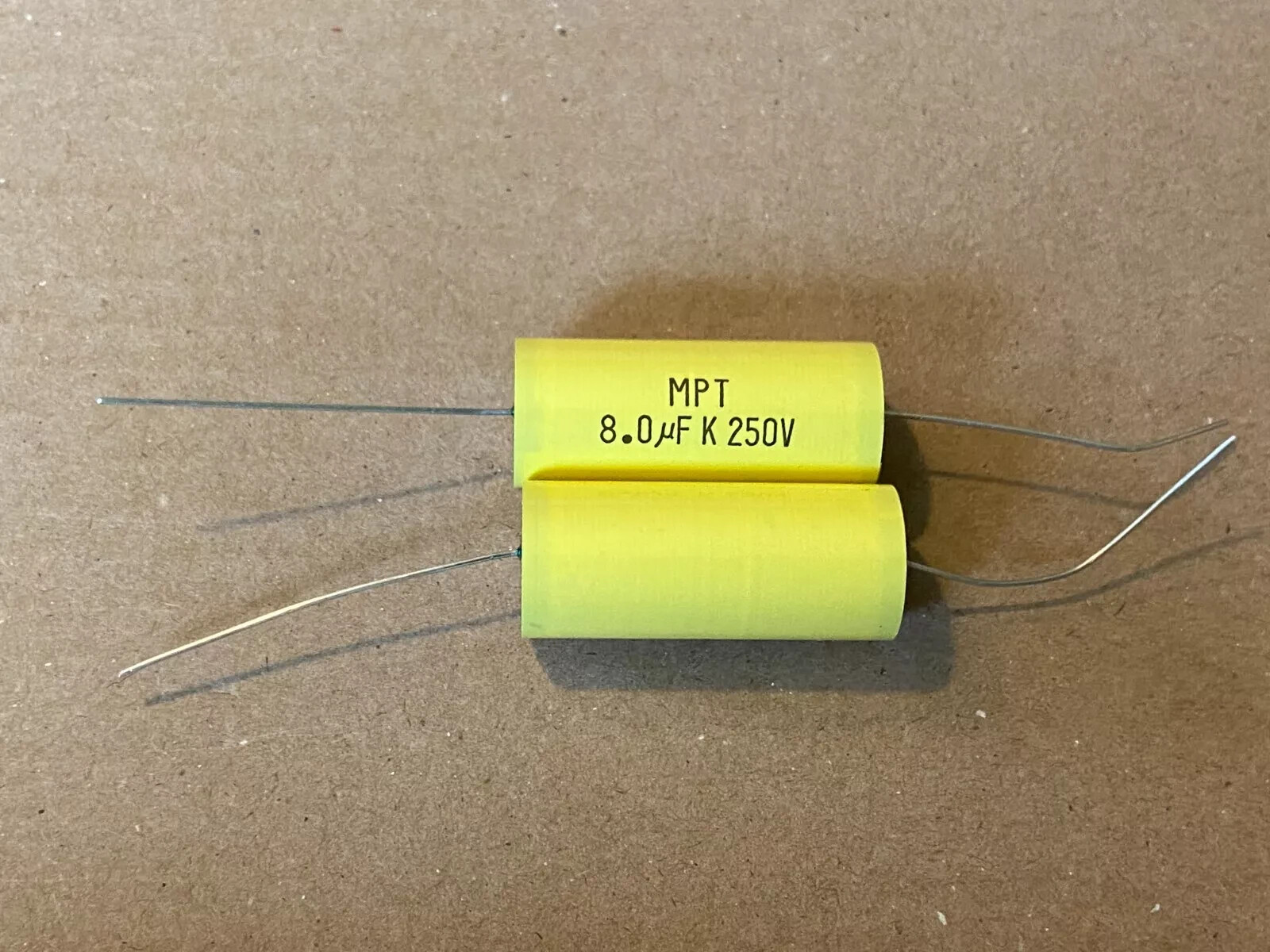
| Crossover Capacitor | 8uf bi-polar capacitor |
| Nominal Impedance | 6 ohms |
| Minimum Impedance | 4.5 ohms at 5.5 kHz |
| Sensitivity | 90 dB (2.83V/1m) |
| Frequency Response | Smooth, flat midrange and treble with small peak at 1.6 kHz; bass strong down to 63 Hz |
| Recommended Amplifier | 15–100 watts per channel |
| Dimensions (H×W×D) | 21.5" × 11.75" × 7.25" |
| Weight | 32 lbs per speaker |
| Enclosure Finish | Walnut grain vinyl |
| Connectors | Spring-loaded connectors, rear recess |
| Driver Level Controls | None |
| Warranty | Full five-year parts and labor |
Key Features
Acoustic Suspension That Still Works
Let’s get one thing straight: acoustic suspension isn’t a retro gimmick. When done right, like in the AR-28S, it delivers tight, controlled bass without port noise or flabby overhang. The 18.1-litre sealed cabinet gives the 8-inch driver a stable environment, letting it move air with precision. You won’t get earth-shaking sub-bass—this isn’t a speaker that dives below 50 Hz—but what it does in the 63 Hz range is clean, articulate, and phase-coherent. That’s why reviewers noted “superb” stereo imaging, with depth and width that feel natural, not artificially stretched.
Ferrofluid-Cooled Tweeter for Smooth Highs
The 1-inch dome tweeter uses ferrofluid in the magnetic gap, a feature that was still relatively new in the early ’80s. It helps with heat dissipation and reduces distortion, especially during long listening sessions. Owners report “no sibilance at all,” and the high end stays smooth even when cranked. It’s not bright or aggressive—some might even call it polite—but it’s detailed. One reviewer said the word “detailed” kept coming up during testing, and it’s easy to hear why. Cymbals shimmer without splatter, and strings retain their texture without edginess.
Simple, Honest Crossover Design
There’s no magic here, just solid engineering. The crossover hits at 2 kHz, a frequency that keeps the woofer out of the upper midrange muddle while letting the tweeter handle the air and attack. It uses an 8uf bi-polar capacitor—a part that’s now commonly replaced during restoration, since old capacitors can dry out and dull the sound. While the original design has no driver level controls, that’s by design: AR trusted the voicing to stand on its own. And for the most part, it does.
Built Like a Tank, Wired for Reality
The rear panel has spring-loaded connectors set into a recess, which keeps things tidy but limits your wire gauge options. It’s not binding posts, but it was standard for the price point. The cabinet, while clad in vinyl, is solid wood underneath, and at 32 pounds each, these speakers don’t tip or vibrate easily. They can sit on bookshelves, but they really open up when placed on the floor against a wall—the manual even suggests experimenting with placement for the smoothest response.
Historical Context
The AR-28S arrived in 1981, right when the high-fidelity market was getting crowded. Japanese brands were pushing advanced ported designs, and the idea of “value” was shifting. AR responded with the Super Value series—a line of three models priced between $90 and $150. The AR-28S sat in the middle, above the smaller AR-8S and below the AR-9, offering a balance of size, performance, and cost.
It closely resembles the AR-25, another two-way acoustic suspension model, but with slight refinements in voicing and cabinet tuning. More importantly, it came from the Teledyne era—the period when AR was still making speakers in Massachusetts with a commitment to measured performance over marketing hype. One fan on a restoration blog called the AR-28S “one of the last (or nearly the last) of the GREAT speakers” from that era. Whether that’s true or not, it’s telling that people still say it.
Collectibility & Value
Today, the AR-28S trades between ~$94 and €250 per pair, depending on condition and restoration status. A fully restored set recently listed for $259 on Bonanza, while others hover around the €150 mark in Europe. They’re not rare, but they’re respected—especially among listeners who value accuracy over excitement.
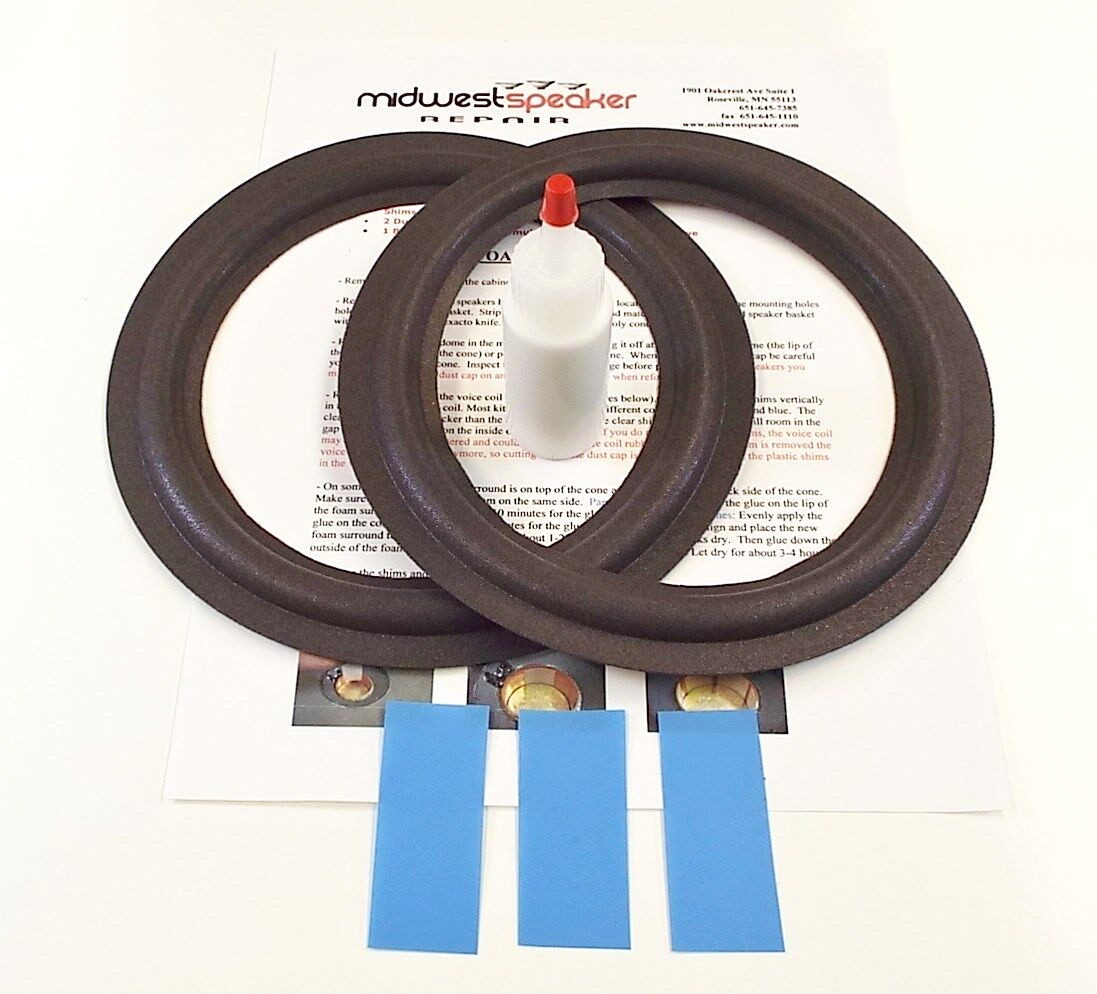
The biggest issue with vintage pairs? Age. Foam surrounds on the woofers degrade, and the crossover capacitors dry out. Common fixes include re-foaming the drivers, replacing the 8uf bi-polar capacitor with a modern MPT film type (recap kits are available on eBay), cleaning the magnetic gaps, and refreshing the ferrofluid in the tweeters. When done right, these speakers can sound as good as new—or better, if you tweak the damping. One owner reported extending bass response down to 45 Hz just by adding extra internal stuffing.
Collectibility is moderate—maybe a 6/10. They’re not as iconic as the AR-3 or AR-4, but they’re a solid piece of AR’s final American-built chapter. If you’re building a vintage system with tube amps or classic solid-state gear from the ’80s, the AR-28S fits right in. They’re not museum pieces, but they’re honest performers that deserve a second life.
eBay Listings


As an eBay Partner, we earn from qualifying purchases. This helps support our independent vintage technology research.
Related Models
- Acoustic Research research-ar-17 (1978)
- Acoustic Research AR-19 (1994)
- Acoustic Research AR-1W (1954)
- Acoustic Research AR-303a (1994)
- Acoustic Research AR-8BX (1983)
- Akai AM-2850 (1975)
- Akai AP-206 (1975)
- Nakamichi BX-1 (1985)
- Acoustic Research AR-915 (1985)
- Acoustic Research research-edge-sequel (1988)