Acoustic Research AR-25
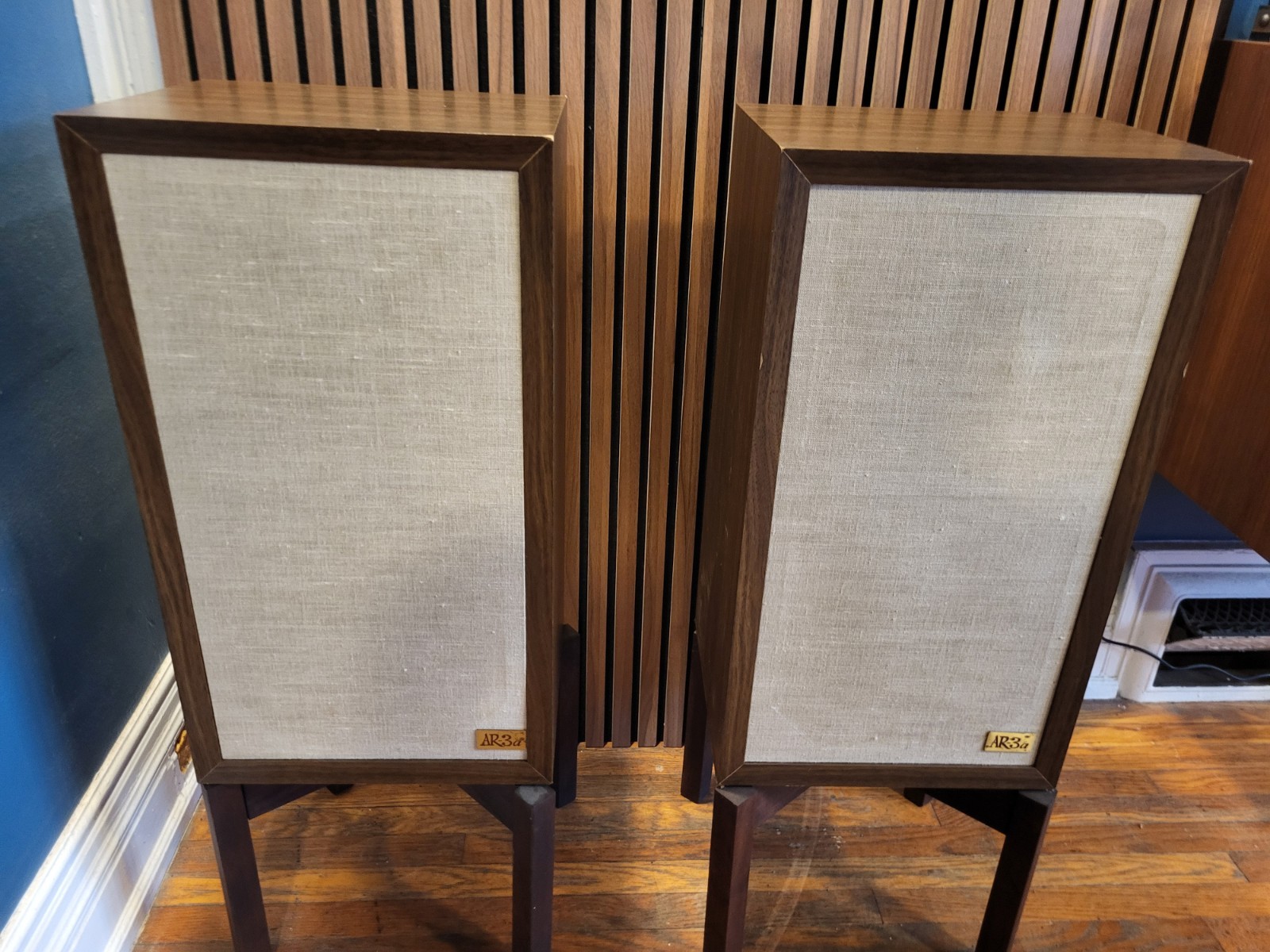
The Acoustic Research AR-25 is a two-way bookshelf loudspeaker introduced in 1992 as part of AR's Advanced Response series. Designed during a transitional period for the brand, the AR-25 blends the company's legacy of accurate, acoustic suspension-inspired sound with updated materials and construction techniques. Targeted at budget-conscious audiophiles, the AR-25 offered a neutral, balanced sound profile and solid build quality, making it a popular choice in the early 1990s.
Despite not achieving the legendary status of earlier AR models like the AR-3 or AR-4, the AR-25 remains a well-regarded entry in the brand’s later catalog and is appreciated today for its musicality and vintage charm.
Specifications
| Feature | Specification |
| Model | AR-25 |
| Brand | Acoustic Research |
| Production Years | 1992–1995 |
| Type | 2-way bass reflex |
| Driver Complement | 8-inch polypropylene woofer, 1-inch ferrofluid-cooled dome tweeter |
| Enclosure Design | Bass reflex with acoustic suspension influence |
| Impedance | 8 ohms (nominal) |
| Sensitivity | 89 dB (1W/1m) |
| Frequency Response | 55 Hz – 20 kHz (±3 dB) |
| Power Handling | 100W maximum (per pair) |
| Crossover Frequency | 2.5 kHz (estimated) |
| Terminals | Bi-wire capable binding posts |
| Shielding | Magnetically shielded |
| Dimensions (H×W×D) | 16.5" × 9.5" × 11.75" (42 × 24 × 30 cm) |
| Weight | 22 lbs (10 kg) per speaker |
| Finish | Wood veneer (typically cherry or black ash) |
Historical Context
The AR-25 was developed during a period when Acoustic Research was redefining its identity after the passing of founder Dr. Edgar Villchur and the brand’s acquisition by Teledyne in the 1970s. By the early 1990s, AR sought to modernize its offerings while retaining the sonic philosophy of accuracy and neutrality that defined its golden era.
The Advanced Response series, which included the AR-25, AR-35, and AR-55, represented this evolution. These models incorporated modern materials—such as polypropylene woofers and ferrofluid-cooled tweeters—while maintaining the time-tested principles of controlled bass response and smooth integration between drivers.
Unlike the sealed-box acoustic suspension designs of the 1950s–1970s, the AR-25 adopted a bass reflex design to enhance low-frequency output and efficiency, making it more competitive in a market increasingly favoring dynamic range and volume capability. However, its tuning remained conservative, avoiding the boomy bass common in many budget speakers of the era.
The AR-25 was marketed as an accessible entry into high-fidelity audio, offering a taste of AR’s renowned sound at a modest price point. It found a niche among college students, young professionals, and audiophiles looking for a reliable, uncolored speaker for small to medium-sized rooms.
Sound Signature
The AR-25 delivers a neutral and balanced sound with a focus on coherence and listener fatigue reduction. Its 8-inch woofer provides decent bass extension down to 55 Hz, enhanced by the ported cabinet, though it lacks the deep, articulate bass of larger floor-standing models.
The midrange is smooth and natural, making the AR-25 well-suited for vocal and acoustic recordings. The 1-inch dome tweeter, cooled with ferrofluid, offers clean and non-fatiguing highs, though it trades some fine detail and airiness for long-term listening comfort.
Overall, the sound is accurate without being clinical—faithful to the source but not hyper-detailed. It pairs well with tube amplifiers and vintage receivers, complementing their warmth without tipping into muddiness.
Maintenance and Restoration Tips
Like many vintage speakers from the 1990s, the AR-25 may require maintenance after decades of use. Here are common issues and recommended care:
- Foam Surround Degradation: The polypropylene woofer uses foam surrounds that can dry out and crumble over time, especially in humid or dry environments. If the bass becomes thin or distorted, refoaming or surround replacement is advised. While less prone than older AR models, degradation is still possible after 30+ years.
- Ferrofluid in Tweeters: The ferrofluid used to cool the tweeter can dry out or migrate, leading to distortion or tweeter failure. If high frequencies sound harsh or cut out, the tweeter may need servicing or replacement.
- Cabinet and Veneer Care: The wood veneer finish may show wear, scratches, or fading. Clean gently with a damp cloth and use a quality wood polish formulated for veneer. Avoid silicone-based products.
- Bi-Wiring: If bi-wiring, ensure both sets of terminals are properly connected and isolated. Some owners prefer single-wiring with jumpers removed for improved clarity.
- Capacitor Aging: The internal crossover components, especially electrolytic capacitors, may degrade over time. A full recapping can restore clarity and dynamics, particularly in the midrange and treble.
Market Value and Collectibility
The AR-25 is not a high-collectibility item but remains desirable among vintage audio enthusiasts for its sound quality and AR heritage.
- Market Value: $100–$250 per pair, depending on condition, originality, and finish.
- Collectibility Rating: 4/10 — moderate interest due to brand legacy and solid performance, but not rare or highly sought-after.
- Best Use Today: Ideal for vintage stereo setups, secondary listening rooms, or as a budget-friendly introduction to AR’s design philosophy.
Conclusion
The Acoustic Research AR-25 stands as a thoughtful bridge between AR’s acoustic suspension legacy and the modern speaker design trends of the 1990s. While not revolutionary, it delivers honest, fatigue-free sound and solid engineering in a classic wood-veneer package. For those exploring vintage audio on a budget, the AR-25 offers a reliable and musical experience that honors the AR name without demanding a premium price.
eBay Listings



As an eBay Partner, we earn from qualifying purchases. This helps support our independent vintage technology research.
Service Manuals, Schematics & Catalogs
- Catalog — archive.org
- Catalog (1968) — archive.org
Related Models
- Acoustic Research research-ar-17 (1978)
- Acoustic Research AR-19 (1994)
- Acoustic Research AR-1W (1954)
- Acoustic Research AR-28S (1992)
- Acoustic Research AR-303a (1994)
- Akai AM-2850 (1975)
- Akai AP-206 (1975)
- Nakamichi BX-1 (1985)
- Acoustic Research AR-8BX (1983)
- Acoustic Research AR-915 (1985)