Acoustic Research AR-19
The Acoustic Research AR-19 is a compact bookshelf loudspeaker introduced in 1994 as part of Acoustic Research's budget-oriented Advanced Development Series. Designed during a transitional period in the brand's history—under different ownership than its classic era—the AR-19 aimed to deliver the signature warm, balanced sound associated with AR's acoustic suspension technology at an accessible price point.
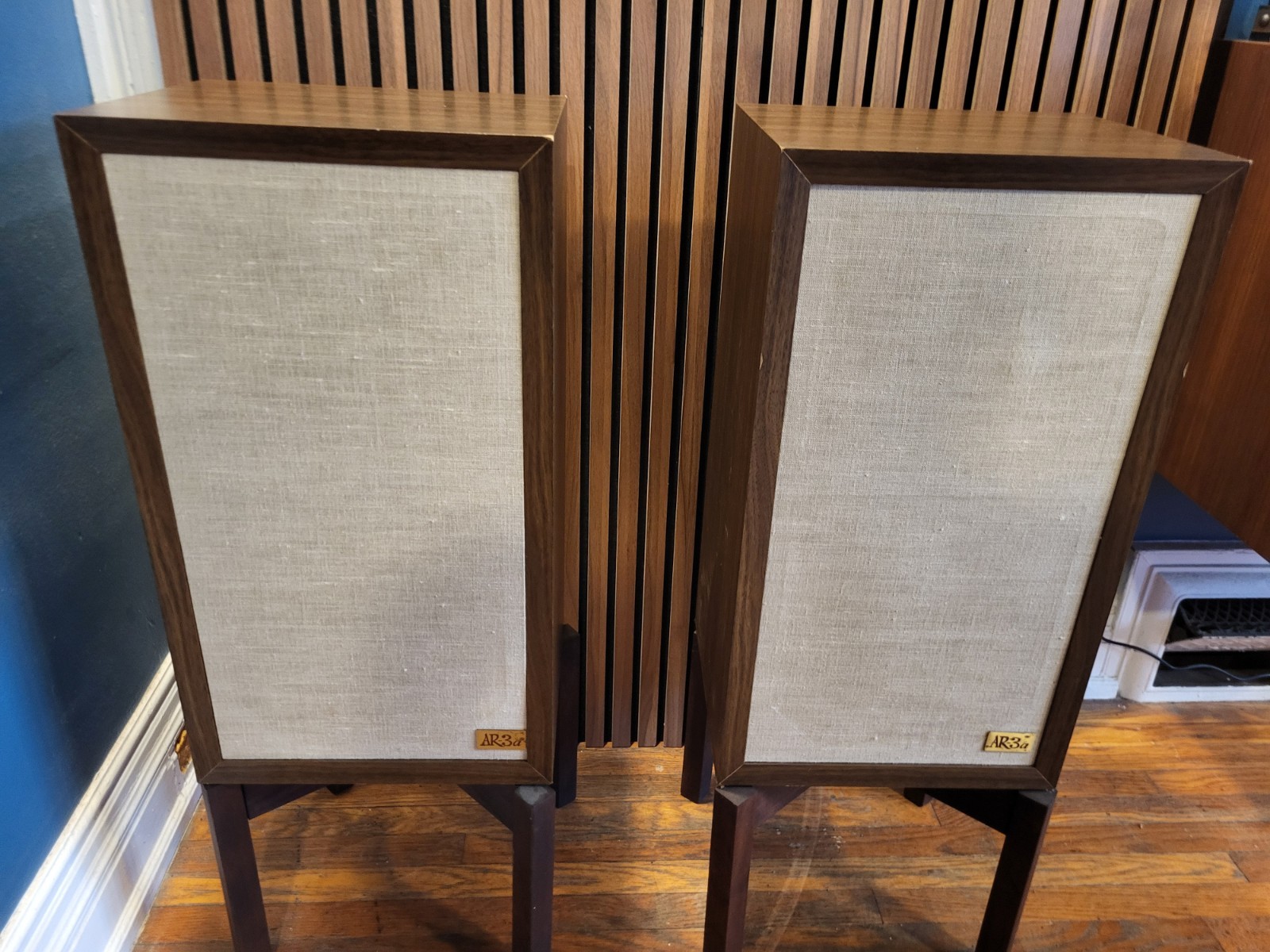
While not as highly regarded as the legendary AR-3a or AR-4x models from the 1960s and 70s, the AR-19 remains a solid performer for casual listeners and vintage audio enthusiasts seeking a taste of AR's sonic heritage without the premium price tag.
Specifications
| Feature | Specification |
| Model | AR-19 |
| Brand | Acoustic Research |
| Production Years | 1994–1996 |
| Type | 2-way bookshelf speaker |
| Driver Configuration | 8-inch woofer, 1-inch dome tweeter |
| Enclosure Design | Acoustic suspension (sealed) |
| Impedance | 8 ohms (nominal) |
| Sensitivity | 89 dB (2.83V/1m) |
| Frequency Response | 45 Hz – 20 kHz (typical) |
| Power Handling | Up to 100W RMS (2 channels) |
| Crossover Frequency | 2.5 kHz (estimated) |
| Cabinet Material | MDF with vinyl cladding |
| Tweeter Cooling | Ferrofluid-cooled dome tweeter |
| Dimensions (H×W×D) | 16.5" × 10.5" × 10" (41.9 cm × 26.7 cm × 25.4 cm) |
| Weight | 22 lbs (10 kg) per speaker |
| Finish Options | Black vinyl (standard), woodgrain vinyl |
Historical Context
Though these later models lacked the hand-built quality and premium components of earlier AR speakers, they maintained a loyal following due to their musicality and value. The AR-19 served as a bridge for new listeners to experience the brand’s signature midrange warmth and smooth imaging.
Sound Signature
The AR-19 delivers a balanced, warm, and smooth sound profile, characteristic of Acoustic Research’s acoustic suspension design. Bass is tight and controlled, though not overly deep, rolling off around 45 Hz. The midrange is clear and natural, making it well-suited for vocals and acoustic instruments. The ferrofluid-cooled tweeter provides detailed high-frequency response without harshness, though some users report slight softness in the upper treble compared to modern tweeters.
While less refined than the legendary AR-3a, the AR-19 still captures the essence of AR’s “honest” sound reproduction philosophy—prioritizing coherence and listener fatigue reduction over analytical precision.
Common Issues and Maintenance
Like many vintage speakers from the 1990s, the AR-19 is prone to age-related wear. Proper maintenance can significantly extend its life and restore optimal performance.
Common Issues:
- Foam Surround Deterioration: The foam surrounds on the 8-inch woofers often degrade after 25–30 years, leading to distorted bass or complete failure. Re-foaming is a common and cost-effective repair.
- Ferrofluid Drying: The ferrofluid in the tweeter may dry out over time, causing tweeter distortion or failure. Tweeters can often be cleaned or replaced.
- Cabinet Wear: The vinyl-clad MDF cabinets may show peeling, bubbling, or scratches, especially on edges and corners. While not affecting sound, cosmetic restoration may be desired.
- Crossover Component Aging: Capacitors and inductors in the crossover may degrade, altering tonal balance. Inspection and replacement of aged components are recommended for critical listeners.
Maintenance Tips:
- Inspect Woofers: Check for crumbling foam or wobbling cones. Re-foaming kits are widely available and can be installed with basic tools.
- Test Tweeters: Play high-frequency tones at low volume to detect distortion. Consider professional servicing if issues arise.
- Clean Cabinets Gently: Use a soft cloth and mild cleaner. Avoid abrasive materials that can damage the vinyl surface.
- Store Properly: Keep in a dry, temperature-stable environment to prevent moisture damage and foam degradation.
- Use a Surge Protector: Protect from power spikes, especially when paired with vintage amplifiers.
Market Value and Collectibility
The AR-19 is not considered a high-collectibility item but retains modest value among vintage audio enthusiasts.
- Market Value: $50–$150 per pair, depending on condition and restoration status.
- Restored Units: Fully refurbished pairs with re-foamed drivers and updated crossovers may command higher prices, especially in regions with strong vintage audio markets.
- Collectibility Rating: 4/10 — While not a sought-after classic, it holds nostalgic value and represents an important chapter in AR’s evolution.
Conclusion
The Acoustic Research AR-19 may not carry the prestige of its classic predecessors, but it remains a competent and musical speaker for its era. Its warm, balanced sound and solid build make it a worthwhile addition to a vintage audio setup, especially when properly maintained.
For those exploring Acoustic Research’s legacy beyond the golden age, the AR-19 offers an affordable entry point into the brand’s acoustic suspension heritage—delivering a taste of classic AR sound with 1990s practicality.
eBay Listings



As an eBay Partner, we earn from qualifying purchases. This helps support our independent vintage technology research.
Service Manuals, Schematics & Catalogs
- Catalog — archive.org
- Catalog (1968) — archive.org
Related Models
- Acoustic Research research-ar-17 (1978)
- Acoustic Research AR-1W (1954)
- Acoustic Research AR-28S (1992)
- Acoustic Research AR-303a (1994)
- Acoustic Research AR-8BX (1983)
- Akai AM-2850 (1975)
- Akai AP-206 (1975)
- Nakamichi BX-1 (1985)
- Acoustic Research AR-915 (1985)
- Acoustic Research research-edge-sequel (1988)