Acoustic Research AR-18BX (1980)
The Acoustic Research AR-18BX is a compact bookshelf loudspeaker introduced in 1980 as part of Acoustic Research's effort to bring their renowned acoustic suspension technology to a broader, budget-conscious audience. Designed for stereo use, the AR-18BX delivers the brand’s signature smooth and musical sound in a modest footprint, making it a popular choice for small to medium-sized listening environments during the early 1980s.
Despite its affordable positioning, the AR-18BX maintains the engineering integrity that defined AR’s reputation, offering solid performance for both music and broadcast audio. While not as powerful or deep-bass-capable as larger AR models like the AR-3 or AR-10pi, the 18BX remains a respected entry-level classic among vintage audio enthusiasts.
Specifications
| Feature | Specification |
| Model | AR-18BX |
| Brand | Acoustic Research |
| Production Years | 1980–1983 |
| Type | 2-way bookshelf loudspeaker |
| Driver Complement | 8-inch woofer, 1-inch soft dome tweeter |
| Enclosure Design | Acoustic suspension (sealed) |
| Impedance | 8 ohms (nominal) |
| Sensitivity | 89 dB (1W/1m) |
| Frequency Response | 55 Hz – 18 kHz (approximate) |
| Power Handling | Up to 60W RMS per speaker (stereo) |
| Crossover Frequency | 2.5 kHz (estimated) |
| Cabinet Finish | Vinyl-clad MDF or particle board, woodgrain |
| Grille | Removable foam grille with fabric cover |
| Dimensions (H×W×D) | 14.5" × 8.5" × 8.75" (36.8 × 21.6 × 22.2 cm) |
| Weight | 17 lbs (7.7 kg) per speaker |
Historical Context
The AR-18BX was introduced during a transitional period for Acoustic Research. By the late 1970s and early 1980s, the company—founded by Edgar Villchur and Henry Kloss—had already established itself as a pioneer in acoustic suspension speaker design. However, increasing competition and shifting market dynamics led AR to streamline its offerings and target more price-sensitive consumers.
The 18BX was positioned as a more affordable alternative to the legendary AR-3 and AR-5 models. It retained the core acoustic suspension principle, which provided tight, controlled bass without port noise, but used cost-effective materials such as vinyl-laminated cabinets and foam grilles to reduce manufacturing costs.
Despite its budget orientation, the AR-18BX was well-received for its natural tonal balance and non-fatiguing sound. It found popularity among college students, apartment dwellers, and casual listeners who wanted high-fidelity audio without a high price tag. Its compact size and classic woodgrain appearance also made it a stylish fit for period living rooms and dorm setups.
Sound Signature
The AR-18BX delivers a balanced and musical sound profile characteristic of Acoustic Research’s design philosophy:
- Midrange: Smooth and natural, ideal for vocals and acoustic instruments.
- Bass: Tight and well-controlled for its size, with usable output down to around 55 Hz. Lacks the depth of larger AR models but avoids boominess.
- Treble: Slightly rolled-off highs due to the soft dome tweeter and acoustic suspension alignment, resulting in a non-fatiguing presentation that remains pleasant over long listening sessions.
- Imaging: Decent stereo imaging and coherence for a compact speaker of its era.
Overall, the sound is warm, inviting, and well-suited to jazz, classical, and vocal-centric genres. It pairs well with tube amplifiers or vintage solid-state receivers from the 1970s and 1980s.
Maintenance and Restoration Tips
Like many vintage speakers from this era, the AR-18BX requires attention to aging components to maintain optimal performance:
1. Woofer Foam Surrounds
- The foam surrounds on the 8-inch woofer are prone to deterioration after 30–40 years.
- Symptoms include crumbling foam, distorted bass, or a "rubbing" sound.
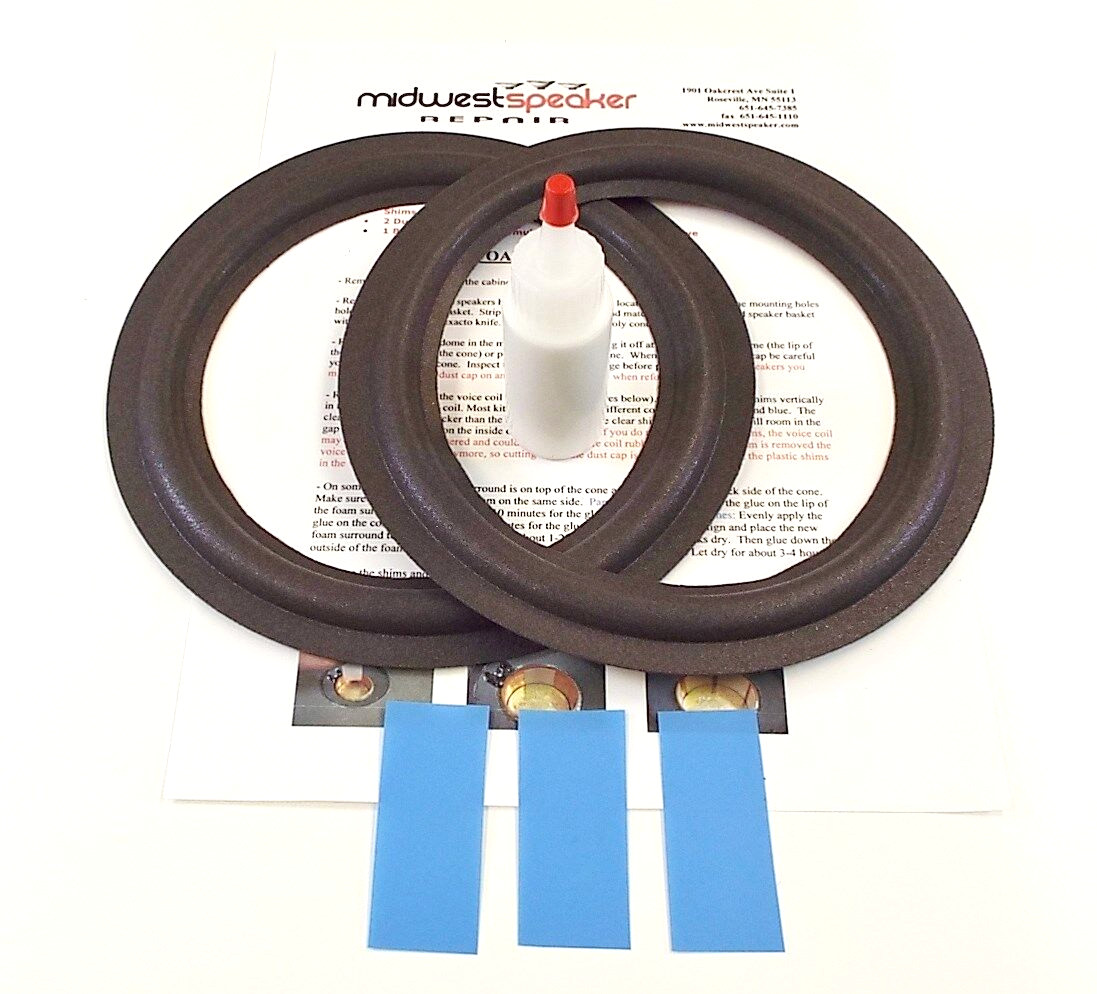
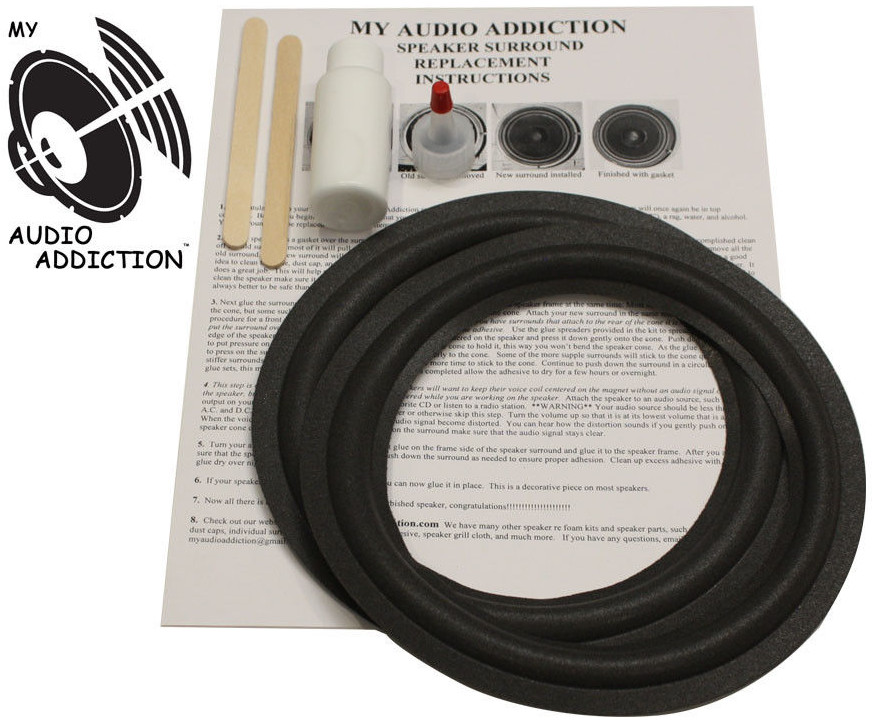
- Solution: Recone or refoam the woofers using kits available from specialty audio restoration suppliers. DIY refoaming is feasible with moderate skill.
2. Grille Condition
- The foam-based grilles often sag, discolor, or develop a musty odor.
- Solution: Replace with custom-cut rigid grilles or fabric-covered foam. Some owners opt to remove grilles entirely for a cleaner look.
3. Crossover Components
- While generally reliable, electrolytic capacitors in the crossover may degrade over time.
- Recommendation: Inspect and replace capacitors if the speaker exhibits distortion or tweeter issues, especially if original.
4. Cabinet Care
- Wipe vinyl surfaces with a damp cloth; avoid harsh chemicals.
- Check for loose joints or cabinet rattles, which can affect sound quality.
Market Value and Collectibility
- Current Market Value: $100–$250 per pair, depending on condition and whether refoaming has been performed.
- Refurbished pairs with fresh surrounds and clean cabinets command higher prices.
- Collectibility Rating: 5/10 — While not a rare or flagship model, the AR-18BX holds nostalgic value and is appreciated for its role in democratizing high-quality sound. It appeals to AR collectors and vintage audio newcomers alike.
Conclusion
The Acoustic Research AR-18BX stands as a testament to the brand’s commitment to accessible high-fidelity audio. Though not the most powerful or technically advanced speaker in AR’s lineup, it delivers a faithful representation of the acoustic suspension sound in a compact, affordable package. With proper maintenance—especially refoaming—it remains a viable and enjoyable choice for vintage audio enthusiasts seeking classic sound with period charm.
eBay Listings


As an eBay Partner, we earn from qualifying purchases. This helps support our independent vintage technology research.
Service Manuals, Schematics & Catalogs
- Catalog — archive.org
- Catalog (1968) — archive.org
Related Models
- Acoustic Research research-ar-17 (1978)
- Acoustic Research AR-19 (1994)
- Acoustic Research AR-1W (1954)
- Acoustic Research AR-28S (1992)
- Acoustic Research AR-303a (1994)
- Akai AM-2850 (1975)
- Akai AP-206 (1975)
- Nakamichi BX-1 (1985)
- Acoustic Research AR-8BX (1983)
- Acoustic Research AR-915 (1985)