Acoustic Research AR-18
The Acoustic Research AR-18 is a compact 2-way bookshelf loudspeaker introduced in 1978 as a more affordable alternative to the flagship AR-3a and AR-7 models. Designed during the golden era of high-fidelity audio, the AR-18 brought Acoustic Research’s renowned acoustic suspension engineering principles into a smaller, cost-effective package. Despite its modest size, the AR-18 delivers impressive bass response and a neutral, balanced sound signature, making it a favorite among audiophiles and studio engineers alike.
Specifications
| Feature | Specification |
| Model | AR-18 |
| Manufacturer | Acoustic Research |
| Production Years | 1978–1983 |
| Type | 2-way, bass reflex |
| Cabinet Design | Vinyl-clad particle board, bookshelf style |
| Woofer | 8-inch with butyl rubber surround |
| Tweeter | 1-inch soft dome |
| Impedance | 8 ohms (nominal) |
| Sensitivity | 86 dB (1W/1m) |
| Power Handling | 50W RMS, 2 channels |
| Frequency Response | 45 Hz – 20 kHz (approximate) |
| Crossover Frequency | 2.5 kHz (estimated) |
| Dimensions (HxWxD) | 15.5" × 9.5" × 9.5" (39.4 × 24.1 × 24.1 cm) |
| Weight | 22 lbs (10 kg) per speaker |
Historical Context
The AR-18 was developed during a transitional period for Acoustic Research, as the company sought to maintain its reputation for accurate, full-range sound while expanding into more accessible product lines. Building on the legacy of the AR-3a’s acoustic suspension design, the AR-18 employed a bass reflex enclosure to achieve extended low-frequency response from a smaller cabinet—offering "acoustic suspension-like" performance without the bulk.
Positioned below the AR-3a and AR-7 in the product lineup, the AR-18 brought high-value engineering to budget-conscious buyers. Its combination of an 8-inch woofer and 1-inch dome tweeter in a well-damped enclosure delivered tight, accurate bass and a smooth midrange, characteristics that made it popular in both home listening environments and professional studio monitoring setups.
The use of butyl rubber surrounds (instead of foam) on the woofer improved long-term durability compared to many contemporary designs, although later serviceability can still be a concern. The vinyl-clad particle board cabinet was both cost-effective and acoustically inert, contributing to the speaker’s neutral tonal balance.
Sound Signature
The AR-18 is known for its neutral and balanced sound profile:
- Bass: Surprisingly deep and controlled for a bookshelf speaker, with minimal distortion and good transient response.
- Midrange: Clear and transparent, ideal for vocal and acoustic instrument reproduction.
- Treble: Detailed and extended, yet non-fatiguing—thanks to the soft dome tweeter and well-designed crossover.
Its accuracy and coherence made it a trusted reference in many small studios and critical listening rooms throughout the 1980s.
Maintenance and Restoration Tips
While the AR-18 is a durable design, age-related issues are common in surviving units:
Common Issues:
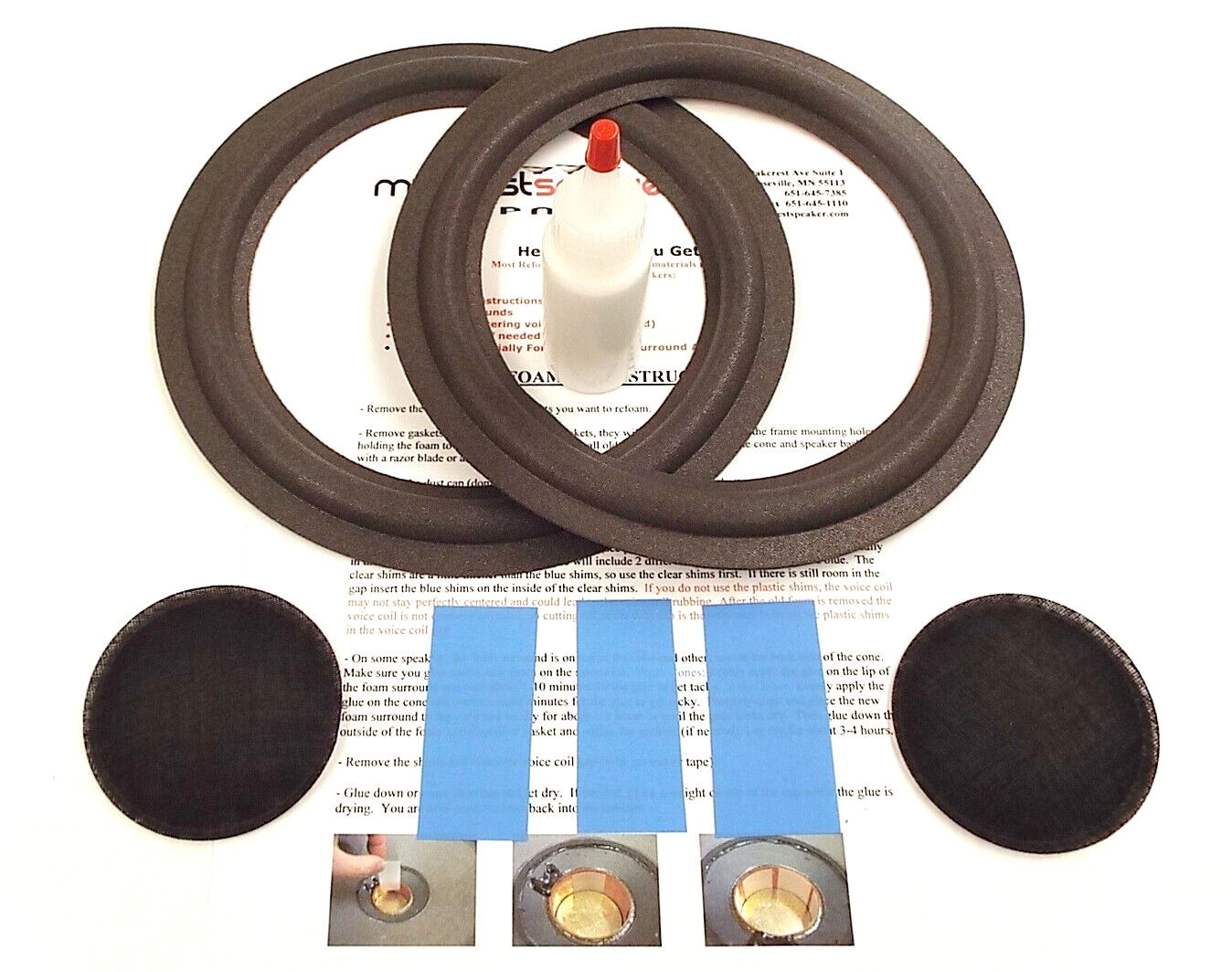
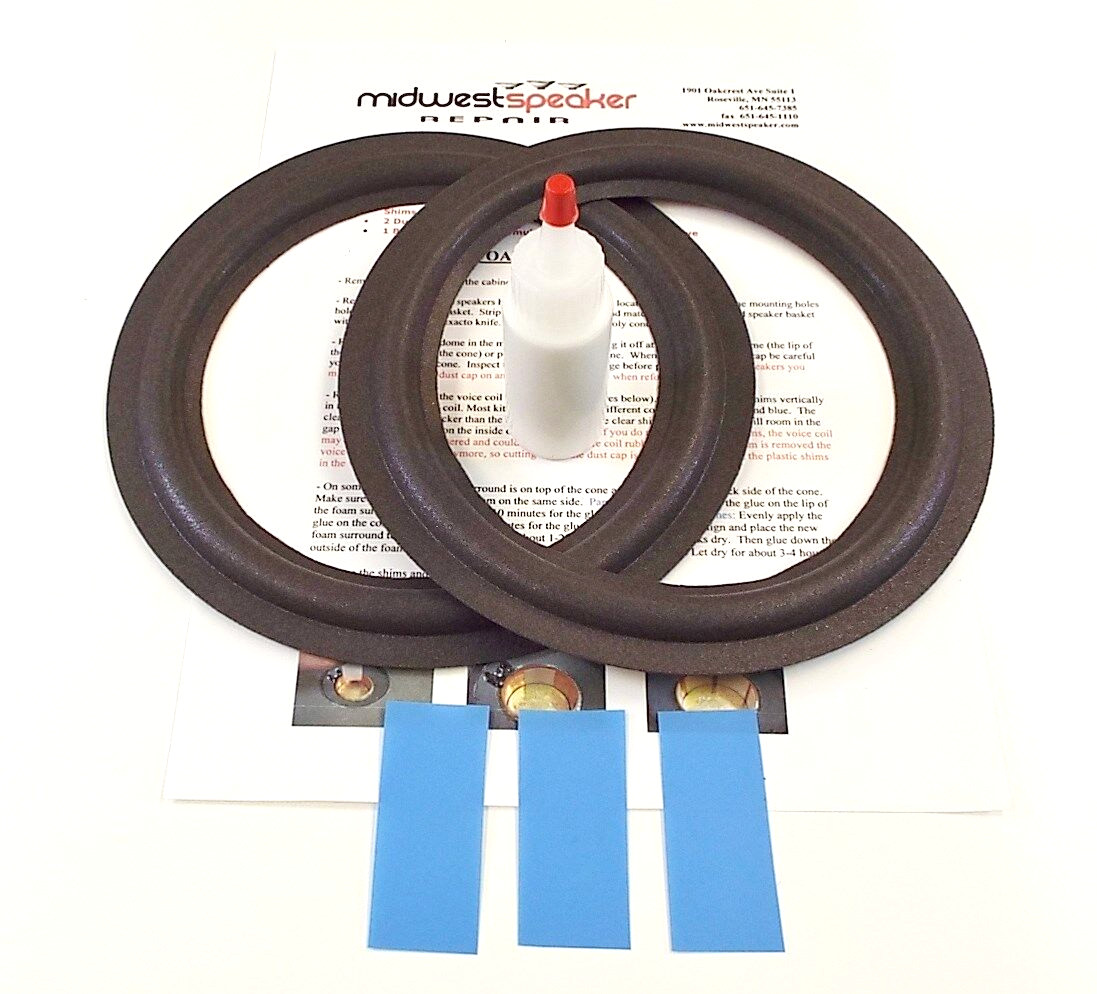
- Woofer Surround Degradation: Although butyl rubber lasts longer than foam, some units may still require refoaming after decades of use.
- Crossover Components: Electrolytic capacitors in the crossover network may dry out over time, leading to tonal imbalances or tweeter damage. Consider replacing capacitors during restoration.
- Cabinet Finish: The vinyl veneer may peel or discolor. Gentle cleaning and touch-up can restore appearance; replacement vinyl wraps are available from specialty suppliers.
- Grille Fabric: Original grilles often become brittle or stained. Replacement fabrics in period-correct patterns are available from audio restoration vendors.
Restoration Recommendations:
1. Inspect woofers for surround integrity and cone alignment.
2. Test tweeters for clarity and signs of damage (e.g., buzzing or distortion).
3. Open the crossover and check for bulging capacitors or corroded connections.
4. Consider professional refoaming if original drivers are worn.
5. Use high-quality replacement capacitors (e.g., polypropylene film) for crossover upgrades.
Market Value and Collectibility
- Current Market Value: $100–$300 per pair, depending on condition, originality, and provenance.
- Collectibility Rating: 6/10
While not as sought-after as the AR-3a, the AR-18 holds steady appeal among vintage audio enthusiasts for its performance-to-size ratio and historical significance in democratizing high-fidelity sound.
Restored pairs in original condition command higher prices, especially when sold with documentation or original packaging.
Conclusion
The Acoustic Research AR-18 stands as a testament to intelligent loudspeaker design—delivering accurate, engaging sound from a compact cabinet. Its blend of engineering pragmatism and sonic integrity ensures it remains a respected choice among vintage audio collectors and casual listeners alike. With proper maintenance, the AR-18 continues to offer a window into the golden age of American hi-fi.
eBay Listings


As an eBay Partner, we earn from qualifying purchases. This helps support our independent vintage technology research.
Service Manuals & Schematics
- Manual — archive.org
Related Models
- Acoustic Research research-ar-17 (1978)
- Acoustic Research AR-19 (1994)
- Acoustic Research AR-1W (1954)
- Acoustic Research AR-28S (1992)
- Acoustic Research AR-303a (1994)
- Akai AM-2850 (1975)
- Akai AP-206 (1975)
- Nakamichi BX-1 (1985)
- Acoustic Research AR-8BX (1983)
- Acoustic Research AR-915 (1985)