Acoustic Research 206HO (1975)
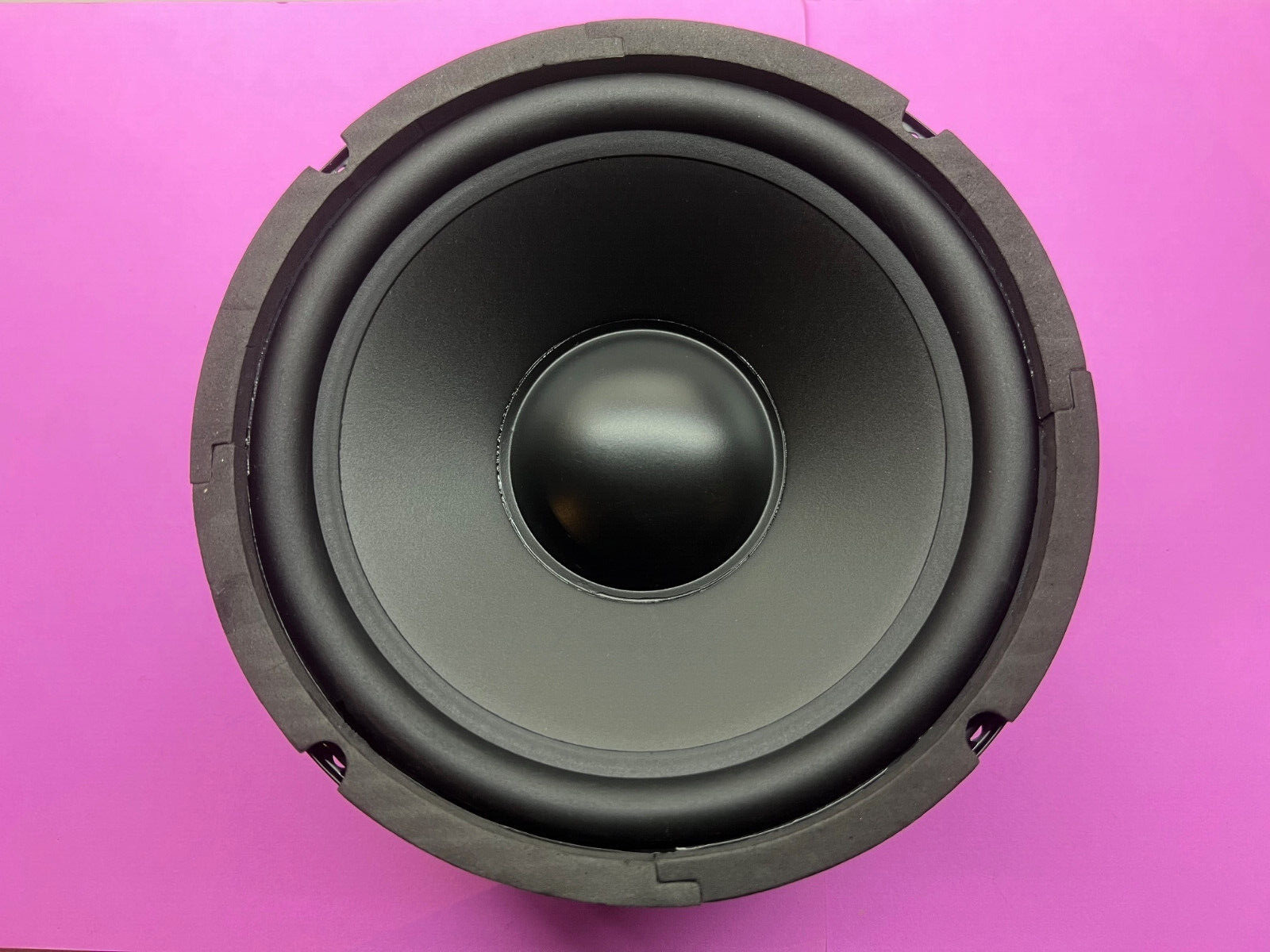
The Acoustic Research 206HO is a vintage loudspeaker model believed to be part of Acoustic Research's mid-tier speaker lineup from the 1970s. While detailed documentation on this specific model is scarce, it likely embodies the engineering principles that made AR a respected name in high-fidelity audio during that era. Known for their accurate sound and innovative designs, Acoustic Research speakers were staples in audiophile homes, and the 206HO appears to follow in that tradition.
Though not as widely recognized as flagship models like the AR-3 or AR-10pi, the 206HO may have served as a compact or specialized variant—possibly designed for multi-channel setups, studio monitoring, or as a high-output version (suggested by the "HO" designation, potentially meaning "High Output").
Specifications
| Specification | Detail |
| Brand | Acoustic Research |
| Model | 206HO |
| Year of Production | Unknown (likely mid-1970s) |
| Category | 2-way bookshelf / stand-mount speaker |
| Driver Configuration | Likely 1x woofer, 1x dome tweeter |
| Enclosure Type | Acoustic suspension (sealed) |
| Power Handling | Unknown |
| Impedance | Unknown (likely 8 ohms nominal) |
| Sensitivity | Unknown (estimated ~86–88 dB) |
| Frequency Response | Unknown (likely 60 Hz – 20 kHz, ±3 dB) |
| Crossover | Passive, 2-way (exact frequency unknown) |
| Dimensions (approx.) | Unknown |
| Weight | Unknown |
Note: Specifications are inferred based on typical Acoustic Research design practices of the era. Actual specs may vary.
Historical Context
Acoustic Research (AR), founded by Dr. Edgar Villchur and Henry Kloss in the 1950s, revolutionized speaker design with the introduction of the acoustic suspension principle. This sealed-box design allowed for tighter bass response and reduced distortion compared to the ported cabinets of the time. Throughout the 1960s and 1970s, AR maintained a strong reputation for producing accurate, natural-sounding speakers favored by critical listeners.
The 206HO likely emerged during AR's peak production years under the ownership of Teledyne Industries (post-1967). While models like the AR-3a and AR-4x dominated the high-end market, AR also produced a range of smaller or specialized speakers for different applications. The "206" naming suggests it may have been part of a modular or commercial series, possibly used in institutional or broadcast environments. The "HO" suffix may indicate a high-efficiency or high-power variant, though this remains unconfirmed.
Despite its obscurity in modern collector circles, the 206HO represents the broader legacy of AR’s commitment to scientific design and measured performance over exaggerated sound.
Sound Signature
While no formal reviews or measurements of the 206HO are readily available, its likely use of acoustic suspension and dome tweeters points to a balanced, neutral sound profile. Typical of AR speakers, it would emphasize:
- Natural midrange clarity
- Tight, controlled bass (without excessive boom)
- Smooth high-frequency response
- Low distortion at moderate volumes
This makes the 206HO potentially well-suited for vocal, jazz, and classical listening, especially in smaller rooms.
Common Issues & Maintenance Tips
Like all vintage loudspeakers, the Acoustic Research 206HO is susceptible to age-related degradation. Owners should be aware of the following potential issues:
1. Foam Surround Disintegration
- Most common failure point in vintage AR speakers.
- Original foam surrounds degrade over time, leading to flaking and loss of bass response.
- Solution: Re-foam the woofers using replacement kits from specialty vendors (e.g., Foam Factory, The Speaker Exchange).
2. Aging Crossover Components
- Capacitors may dry out or drift in value, altering tonal balance.
- Inductors can suffer from corrosion or wire fatigue.
- Solution: Inspect and recap the crossover with modern, audiophile-grade components.
3. Worn or Damaged Tweeters
- Dome tweeters may suffer from torn diaphragms or failed ferrofluid (if applicable).
- Solution: Clean carefully; consider replacement with compatible dome units if damaged.
4. Cabinet Wear
- Finish may show scratches, fading, or wood veneer lifting.
- Tip: Clean with mild wood polish; avoid harsh chemicals.
5. Grille Fabric Deterioration
- Original grilles may be torn or discolored.
- Solution: Replace with custom-cut acoustically transparent fabric.
Collectibility & Market Value
The Acoustic Research 206HO is a relatively obscure model with limited documentation and collector interest.
- Collectibility: 3/10
While AR as a brand is collectible, the 206HO lacks the fame or technical distinction of flagship models. It appeals mainly to AR completists or those restoring vintage systems.
- Market Value: $50–$150 per pair (as of 2024)
Value depends heavily on condition, completeness, and whether restoration has been performed. Unrestored units with degraded surrounds will be at the lower end.
- Restoration Potential: Moderate
Parts compatibility with other AR models may allow for cost-effective refurbishment.
Final Thoughts
The Acoustic Research 206HO may not be a legendary model, but it carries the DNA of a pioneering audio company. For vintage audio enthusiasts, it offers a chance to experience AR’s famed acoustic suspension technology in a less common form. While not a showstopper, it remains a piece of hi-fi history worth preserving—especially when restored to proper working order.
If you own a pair, consider them a hidden gem from a golden era of American speaker design.
eBay Listings


As an eBay Partner, we earn from qualifying purchases. This helps support our independent vintage technology research.
Service Manuals, Schematics & Catalogs
- Catalog — archive.org
- Catalog (1968) — archive.org
Related Models
- Acoustic Research research-ar-17 (1978)
- Acoustic Research AR-19 (1994)
- Acoustic Research AR-1W (1954)
- Acoustic Research AR-28S (1992)
- Acoustic Research AR-303a (1994)
- Akai AM-2850 (1975)
- Akai AP-206 (1975)
- Nakamichi BX-1 (1985)
- Acoustic Research AR-8BX (1983)
- Acoustic Research AR-915 (1985)