Acoustic Research AR-92 (1979–1981)
When you fire these towers up, that deep, taut 10-inch woofer pulls you in—but be ready to roll up your sleeves.
Overview
The Acoustic Research AR-92 isn’t one of those polite bookshelf speakers that whisper from the corner. These are floorstanding presences—26.5 inches tall, walnut-clad, and built like late-'70s American hi-fi was supposed to: solid, serious, and just a little over-engineered. Made in the USA between 1979 and 1981, they were part of AR’s “Advanced Development Division” (ADD) series, positioned as a mid-level three-way design. That means they weren’t the flagship, but they weren’t an entry point either—they split the difference with real ambition. And when they’re in good health, they deliver: a claimed frequency response from 35 Hz to 22,000 Hz, which for a sealed-box design of this era is no small feat. That low-end extension comes courtesy of a 10-inch acoustic suspension woofer, the signature AR technology that made the brand famous for tight, controlled bass without ports or flappy reflex tubes.
But here’s the catch every owner eventually learns: time does not forgive foam. The AR-92 uses foam surrounds on both the woofer and the 1.5-inch dome midrange, and after 40-plus years, those are likely crumbling. Dust caps? They can disintegrate into a sad pile of chalky residue. And that clever “acoustic blanket” wrapped around the midrange and tweeter—meant to dampen internal reflections—tends to degrade into brittle flakes. These aren’t design flaws, exactly. They’re the tax you pay for owning a speaker that still, when properly restored, sounds startlingly modern in its clarity and balance.
Weighing in at 48 pounds (21 kg), these aren’t lightweights. The cabinet is solid walnut veneer, sealed tight—no port, no vent, just pure acoustic suspension from top to bottom. Inside, the enclosure is stuffed with polyester wool packing, another detail that speaks to AR’s obsessive approach to internal damping. The three-driver array—10-inch woofer, 1.5-inch dome mid, and 3/4-inch dome tweeter—feeds into a crossover with user-adjustable level switches on the back: -3 dB and -6 dB options for both the tweeter and midrange. That’s a rare and thoughtful touch, letting owners tune the tonal balance to their room or preference. But those switches? They’re another aging weak point—prone to sticking as oxidation builds up over decades of dormancy.
Specifications
| Manufacturer | Acoustic Research, Inc. (AR) |
| Model | AR-92 |
| Type | Loudspeaker |
| Years of manufacture | 1979 - 1981 |
| Frequency response | 35 Hz - 22,000 Hz |
| Power handling capability | 75 watts |
| Crossover frequencies | 575 Hz, 5,000 Hz |
| Speaker load impedance | 4 ohms |
| Woofer size | 10 inch |
| Midrange driver | 1.5 inch dome midrange |
| Tweeter | 3/4 inch dome tweeter |
| Sensitivity | 86 dB |
| Dimensions | 26.5" H x 14.5" W x 11.5" D (797 x 356 x 290 mm HxWxD) |
| Weight | 48 lbs (21 kg) |
| Color | American Walnut |
| Made in | USA |
Key Features
Acoustic Suspension Enclosure
The AR-92 leans hard into Acoustic Research’s core innovation: the sealed, acoustic suspension cabinet. Unlike ported designs that rely on tuned resonance, this one uses the air inside the box as a spring, giving the woofer precise control. The result? Bass that’s deep for a 10-inch driver—down to 35 Hz—but without the one-note boom or time-smearing that plagued many of its ported contemporaries. It’s not going to shake your floor like a subwoofer, but it integrates cleanly, especially for jazz, classical, and acoustic rock. The sealed design also means placement is more forgiving—no need to pull them away from the wall to “breathe.”
Three-Way Driver Array
Splitting duties across three drivers lets each operate in its sweet spot. The 10-inch woofer handles the foundation, the 1.5-inch dome midrange takes over at 575 Hz (a relatively low crossover point, which helps with vocal clarity), and the 3/4-inch dome tweeter kicks in at 5,000 Hz. That high crossover frequency is interesting—it keeps the tweeter out of the upper midrange muddle, potentially reducing harshness. Dome drivers were still somewhat novel in the late '70s, especially in the midrange, and AR’s choice here suggests a focus on smoothness over raw output.
User-Adjustable Crossover Level Switches
One of the AR-92’s standout features is the pair of switches on the rear panel: one for the tweeter, one for the midrange, each offering -3 dB and -6 dB attenuation. This isn’t just a tone control—it’s a real-time voicing tool. If your room is bright, knock the tweeter down. If the vocals feel forward, dial back the midrange. It’s a level of user customization that was rare even in high-end speakers of the era. But as owners report, these switches can gum up over time. A shot of contact cleaner often brings them back to life, but if they’re seized, disassembly is finicky.
Internal Damping & Construction
Inside, the AR-92 is packed with polyester wool, a classic damping material that soaks up internal reflections without choking the drivers. Around the midrange and tweeter, there’s an additional “acoustic blanket”—a separate layer meant to further isolate the upper drivers from cabinet noise. Unfortunately, this blanket is another aging liability. When it degrades, it can shed fibers that might affect driver movement or just look unsightly. Replacements have been improvised using black HVAC filter material, which owners say works surprisingly well as a substitute—durable, acoustically transparent, and easy to cut to size.
Grille Design
The grilles are foam, removable, and shaped with a subtle flare toward the front at the bottom—almost like a vintage monitor speaker. They’re stapled (and possibly glued) to wooden frames, so removing them without damage takes care. Some owners prefer to run the speakers bare, both for aesthetics and to eliminate any potential coloration, though the foam is fairly open-cell and likely has minimal sonic impact.
Collectibility & Value
The AR-92 trades in a wide price band: listings range from €85 to €550, with recent sales around €450–€550 on European markets. A US listing once appeared at $399.99, while another showed a parts unit for $20. That volatility tells you everything—condition is everything. A pair with original foam surrounds, intact dust caps, and clean crossovers is a prize. One with crumbling surrounds and a seized level switch? That’s a project, not a playback system.
Original pricing was approximately 1,200 Deutsche Mark, which, adjusted for inflation, puts it in serious hi-fi territory for 1979. Today, it’s a restoration candidate as much as a listening piece. Refoam kits are available and often include new dust caps, so driver rehab is feasible. The crossover capacitors, though not specified in detail, are another common failure point—replacing them with modern equivalents of matching spec is a recommended upgrade for long-term reliability.
The 4-ohm impedance means these aren’t plug-and-play with modern receivers. They demand an amplifier that can handle low impedance loads without flinching. But that also means they respond well to quality power—pair them with a solid late-'70s or '80s amp, and the synergy can be magical.
eBay Listings

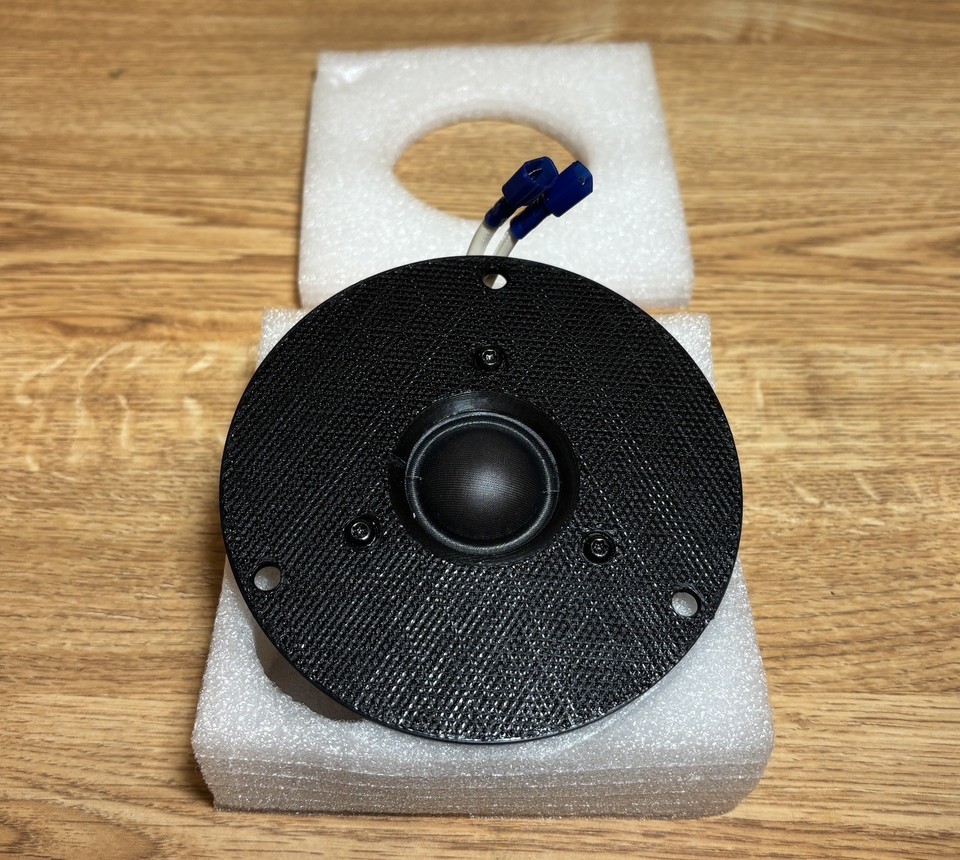

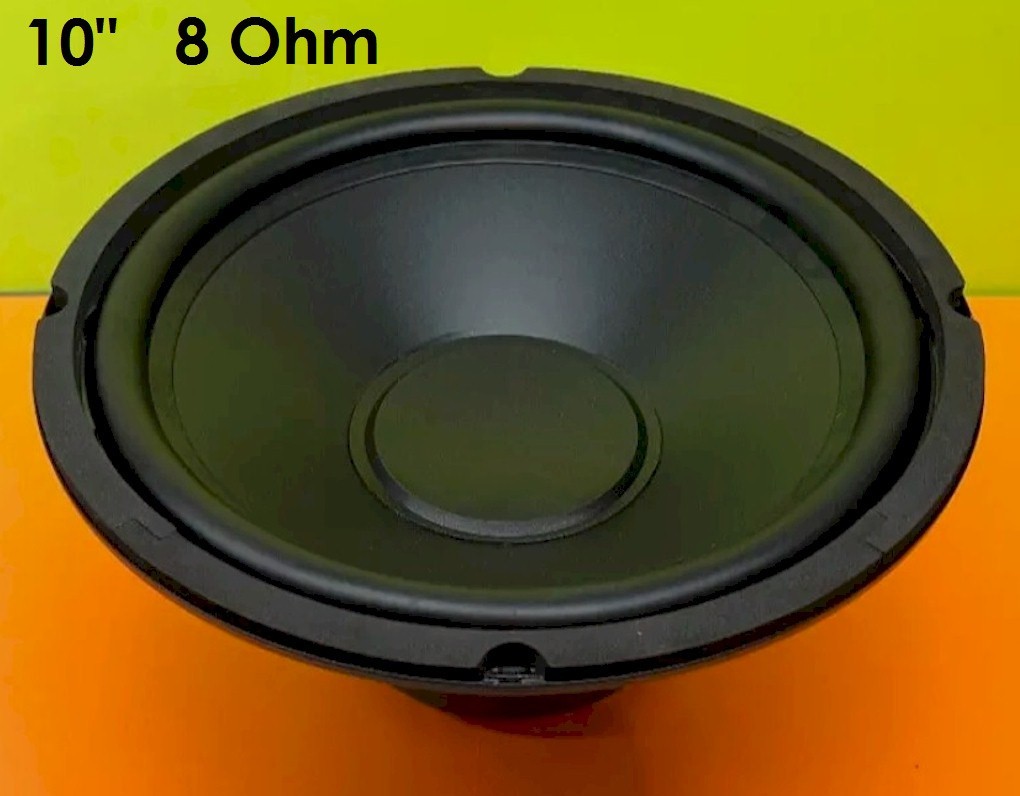
As an eBay Partner, we earn from qualifying purchases. This helps support our independent vintage technology research.